- Tour Our Sites:
- Restoration
- Depot
- Library
- Fabrication
- Art
In late spring of 1944, Allied aircrews and soldiers knew the invasion of Fortress Europe was near. It was well known that the planning had been ongoing for months, but the exact date and place of the invasion were among the most closely guarded secrets of the war. Servicemen of all Allied services and nations were edgy as rumours and deliberate deceptions ran rampant through the ranks. Many had spent months in England waiting as the necessary forces were built up.
“Then, on June 3rd, orders reached the transport squadrons to paint five alternating stripes—three white and two black—on the wings and fuselages of the nearly 1,000 C-47s and C-53s slated for the upcoming airborne and glider assaults. Recognizing the imminent launch of the invasion, the transport crews sprang into action. The very next day, June 4th, the directive for these critical identification stripes was extended to all remaining bomber and fighter squadrons.”
In all, an estimated 2000 transports, 870 gliders, 2,500 fighters, and 700 twin-engine bombers had the stripes applied in the 24 to 72 hours before D-Day, most on the 4th of June, because the original plan was to invade on the 5th. Four-engine bombers were exempt from the order because the Germans had very few 4 engine types.
Invasion stripes came about because Supreme Headquarters, Allied Expeditionary Force knew that the air over the channel and France would be jammed with so many planes that normal aircraft IFF (Identification Friend or Foe) systems would be completely overwhelmed.
The Allies feared large losses to friendly fire from the understandably jumpy invasion force. The possibility of keyed-up Allied anti-aircraft gun crews on ships and on the beach shooting down our own transports, fighters, and bombers was very real. Even air-to-air fratricide was possible in the mass operation.
The Allied planes and ground troops were still expected to meet tough resistance from German fighters and bombers despite Allied air superiority.
The resourceful planners had devised a simple way to distinguish Allied from Axis planes. They had even tested its effectiveness. Air Chief Marshal Sir Trafford Leigh-Mallory, commanding the Allied Expeditionary Air Force, approved the scheme on May 17, 1944.
On June first, a small flight of aircraft marked with the invasion stripes overflew the Allied fleet to familiarize the crews with the markings. The orders to paint the stripes on all invasion aircraft besides four-engined bombers were finally issued a couple of days later.
The planners also foresaw the possibility of the Germans discovering the plan and applying similar stripes to their combat planes. That is why they decided to withhold the orders until the last minute.
Secrecy came at a price: there was almost no time to do the work. The orders to actually paint the stripes weren’t released until the eve of the invasion — June 3 for the troop-carrier units, and June 4 for the fighter and bomber squadrons. In many cases, ground crews had only a few hours’ notice.
The order read in part:
“The instructions contained herein will be effective on the day of the assault and thereafter until it is deemed advisable to change. Aircraft will be given distinctive markings as shortly before the day of the assault as is possible in order to protect the effectiveness of their use.”
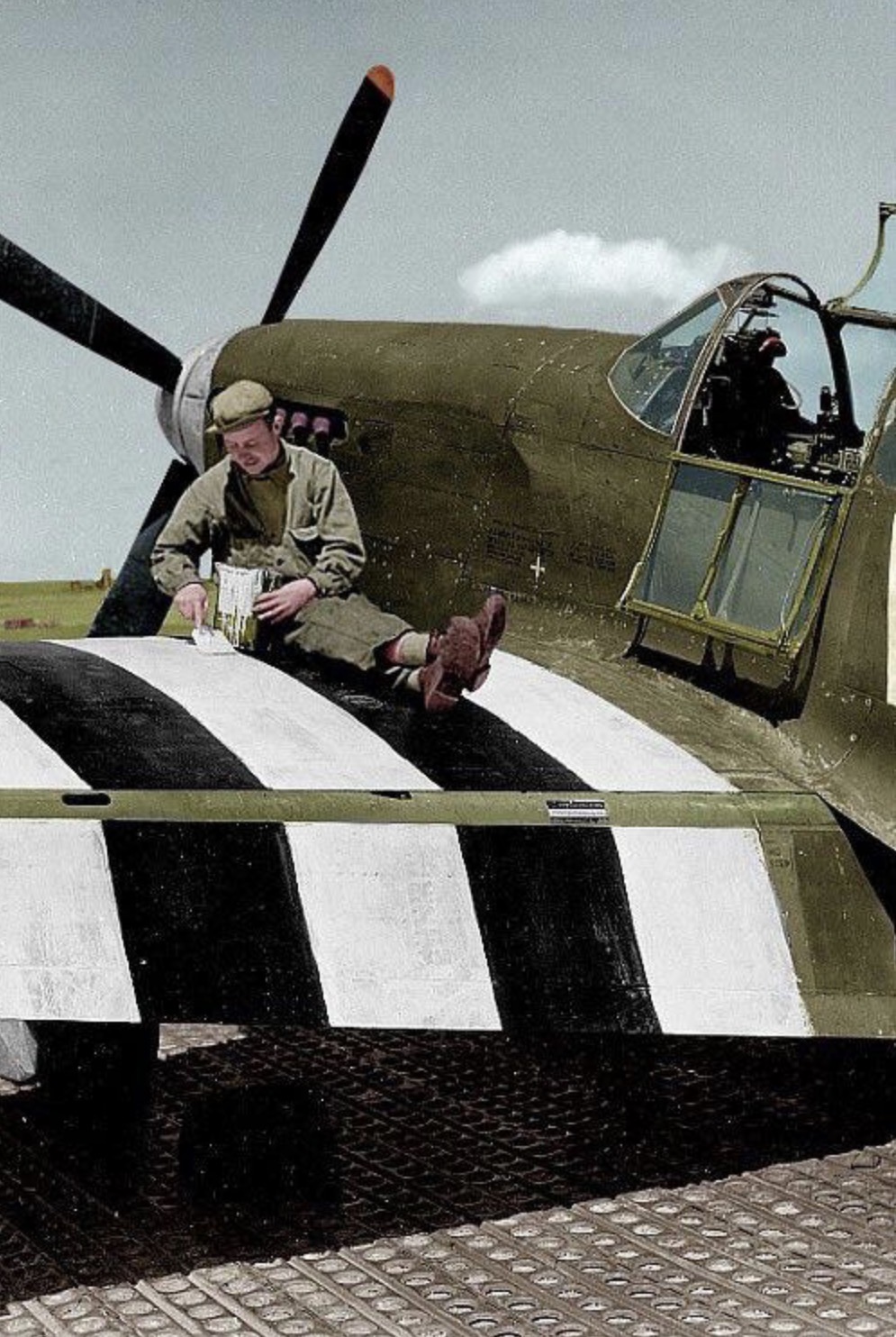
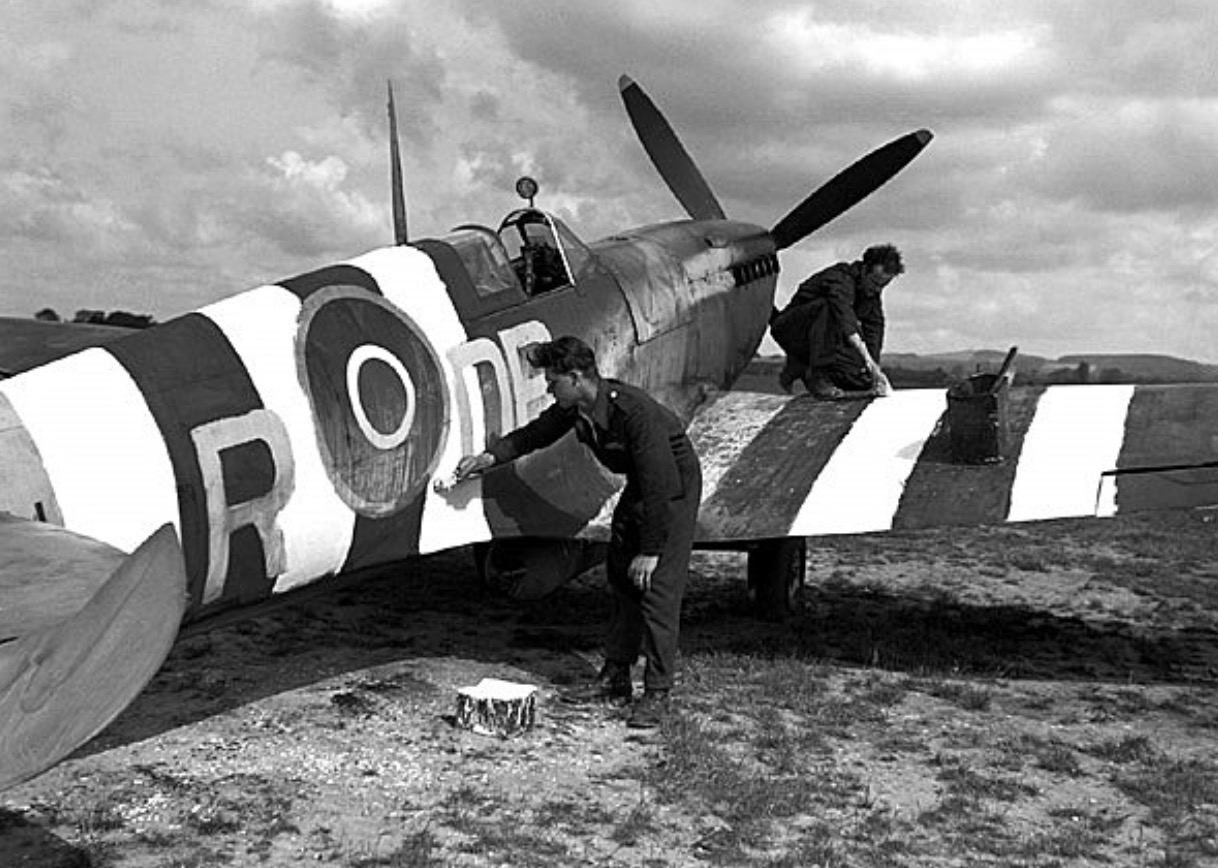
As anyone knows who has served, an order is one thing, executing it is another. So the rush was on to find black and white paint and brushes, mops, brooms, and even rags tied to sticks to apply the paint. Additional personnel, besides normal maintenance crews, were pressed to the task. Often, chalk lines were used to mark the area to be painted; sometimes, it was just done by eye.
These were not the crisp, masked, ruler-straight stripes seen on most modern restorations. With only hours to work, few of the stripes were masked at all.
Painting often began under the wings, and then the crews climbed on top and finished there before doing the more difficult fuselage. If enough men were on one plane, it was all done simultaneously.
In the early hours of June 6, 1944, the invasion was launched by elite pathfinder aircraft and paratroops. Soon after, the rest of the two thousand D-Day transport aircraft arrived over France. Some were towing the 870 CG-4 and British Airspeed Horsa gliders, which took part in the attack.
Once daylight arrived, 700 medium bombers and 2,500 fighters covered the beach assault. Nearly every one displayed had the bold black and white stripes
The hustle of Allied maintenance crews, along with others pressed into helping, got the job
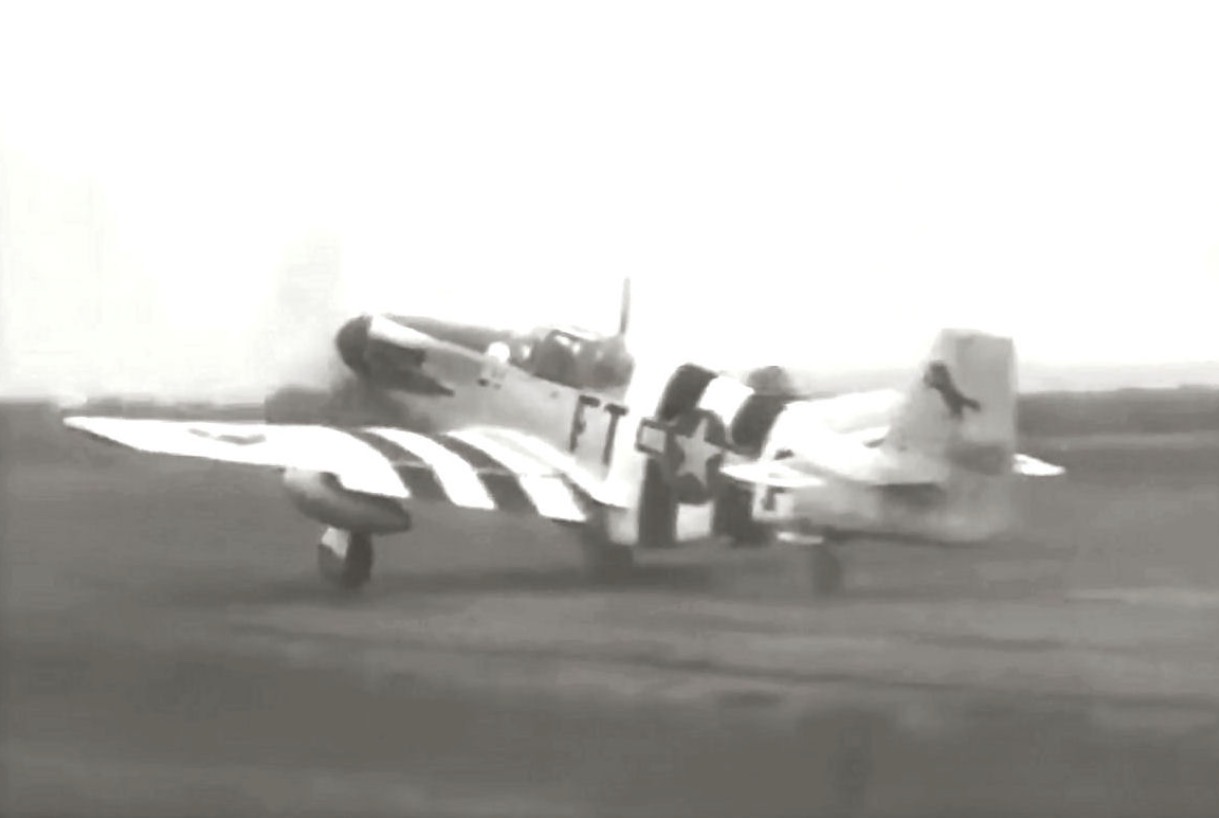
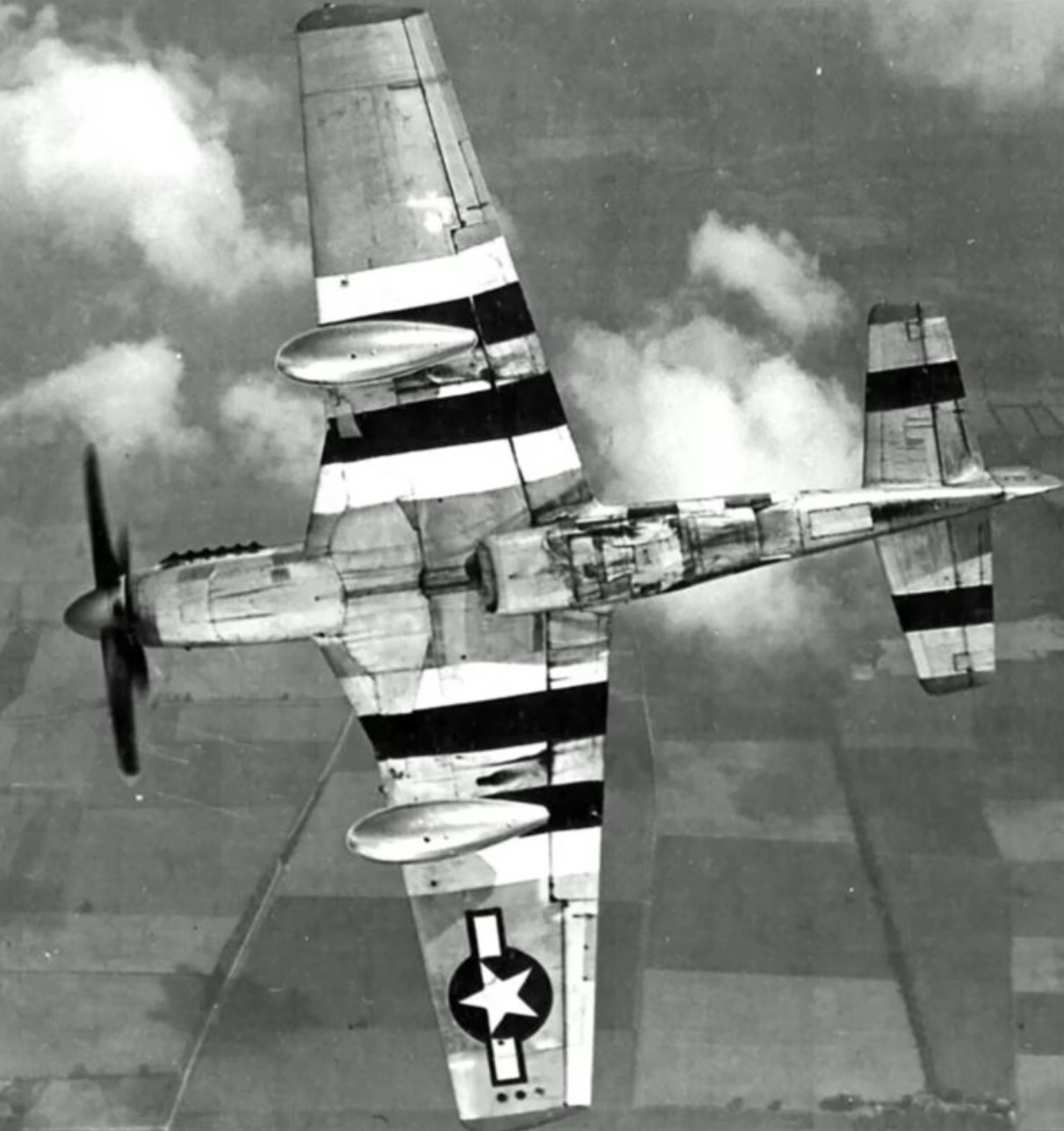
The stripes were added to the wings and rear fuselage on all Allied aircraft the day before the invasion. The ground forces were briefed that any aircraft that did not have the stripes was the enemy and go ahead and shoot at them.
Now, the stripes are part of the legend.
Just for a moment, think about the daunting number of Allied aircraft that had to have the stripes added. And consider that two days before, they didn’t have them, almost 12,000 airplanes. That’s why the generals had several million troops who could be ordered to paint the black and white stripes. They used mops and brooms and rags in addition to paint brushes to get the job done overnight. Of that number, there were 1,200 C-47s.
The Air Transport Command’s job was to fly the parachute and glider forces into the war. The mission was dangerous and the losses were
Did It Work?
It did. In the early hours of June 6, thousands of striped aircraft headed for Normandy, and friendly-fire incidents were thankfully few. The Luftwaffe, for its part, barely appeared — only three German aircraft are said to have overflown the beaches that day The plain black-and-white bands had done their job.
The stripes were never meant to last. By early July 1944 the first orders came to remove them from the upper surfaces, to make the aircraft harder to spot from above. By the end of 1944, they had largely disappeared altogether.
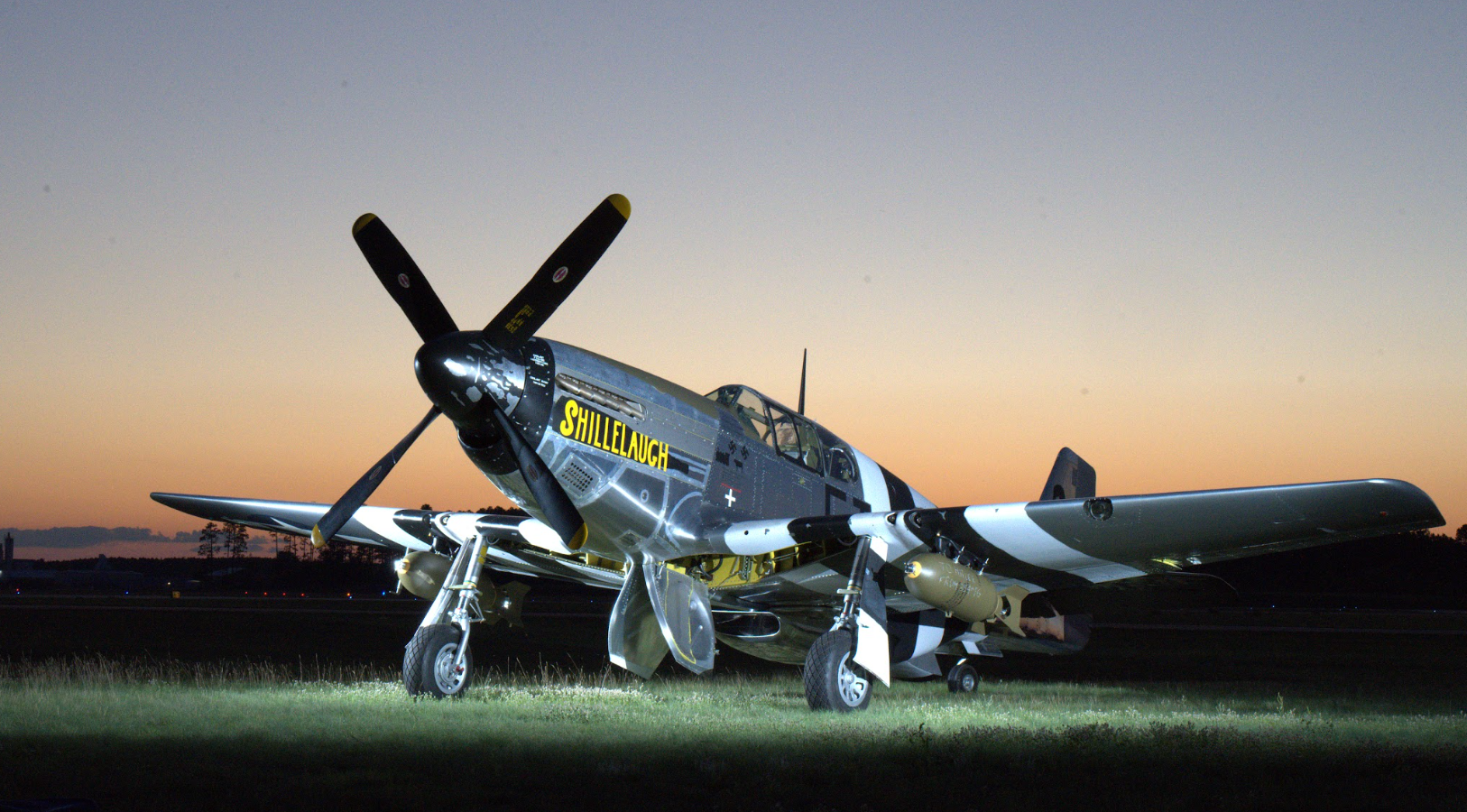
P-51B-10-NA, serial 42-106602 — “Shillelaugh” — flew 95 combat missions with the 353rd Fighter Squadron, 354th Fighter Group, the “Pioneer Mustang Group” that was the first U.S. unit to take the Merlin-powered P-51B into combat. Named by Lt. Col. David O’Hara and flown by 20 different pilots, her missions ranged from Berlin escorts to beach patrols over Normandy. On August 16, 1944, with triple-ace Major Ken Dahlberg at the controls, she downed three enemy aircraft before Dahlberg was hit and bailed out.
In restoring Shillelaugh for the Dakota Territory Air Museum, AirCorps Aviation chose to finish her in the markings she wore at the time of the D-Day invasion — full invasion stripes, as they appeared before the upper surfaces were ordered removed in late June/early July 1944.
And we made a deliberate choice that sets this restoration apart: we hand-painted Shillelaugh’s invasion stripes, rather than masking and spraying them to a flawless modern finish. In the restoration world, that is unusual. But it is accurate — it is exactly how the originals were done in 1944, under pressure, with brushes in hand and the clock running out. Every slightly irregular edge is a tribute to the ground crews who worked through the night so the men flying these airplanes would come home.
The order read in part:
“The instructions contained herein will be effective on the day of the assault and thereafter until it is deemed advisable to change. Aircraft will be given distinctive markings as shortly before the day of the assault as is possible in order to protect the effectiveness of their use.”
As anyone knows who has served, an order is one thing, executing it is another. So the rush was on to find black and white paint and brushes, mops, brooms, and even rags tied to sticks to apply the paint. Additional personnel, besides normal maintenance crews, were pressed to the task. Often, chalk lines were used to mark the area to be painted; sometimes, it was just done by eye.
These were not the crisp, masked, ruler-straight stripes seen on most modern restorations. With only hours to work, few of the stripes were masked at all.
Painting often began under the wings, and then the crews climbed on top and finished there before doing the more difficult fuselage. If enough men were on one plane, it was all done simultaneously.
In the early hours of June 6, 1944, the invasion was launched by elite pathfinder aircraft and paratroops. Soon after, the rest of the two thousand D-Day transport aircraft arrived over France. Some were towing the 870 CG-4 and British Airspeed Horsa gliders, which took part in the attack.
Once daylight arrived, 700 medium bombers and 2,500 fighters covered the beach assault. Nearly every one displayed had the bold black and white stripes
The hustle of Allied maintenance crews, along with others pressed into helping, got the job
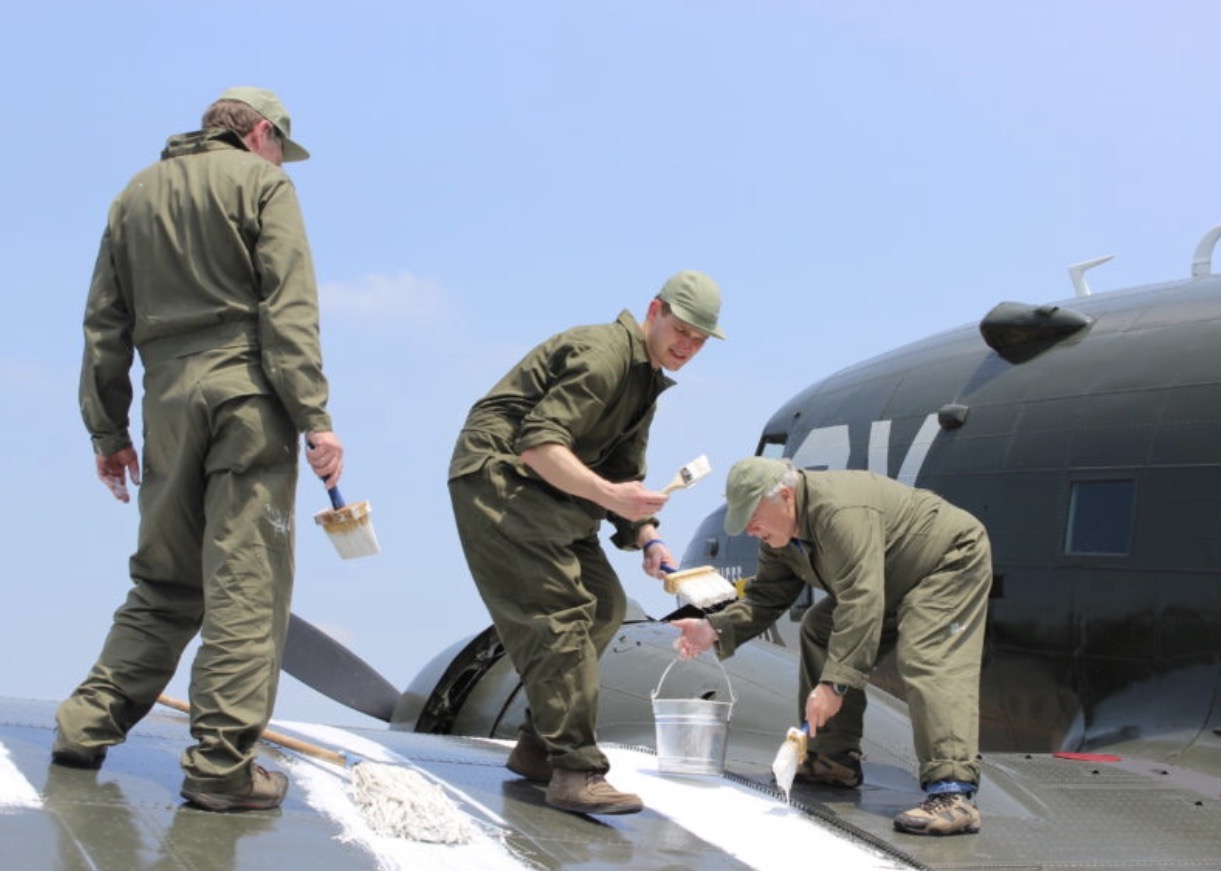
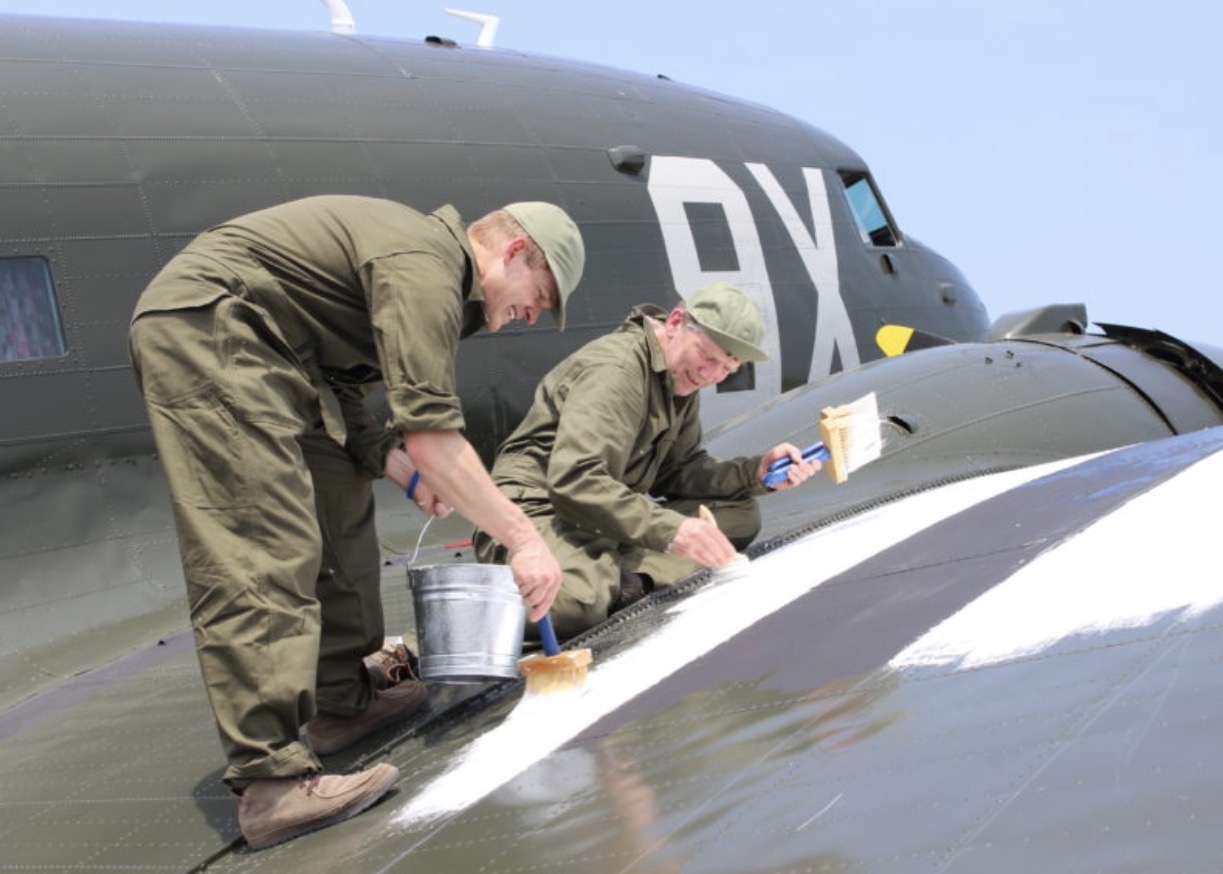
This isn’t the first time AirCorps Aviation has picked up brushes to recreate that 1944 scramble. Ahead of the May 8, 2015, Arsenal of Democracy Flyover over Washington, D.C. — marking the 70th anniversary of V-E Day — Texas Flying Legends and AirCorps Aviation staff and volunteers applied invasion stripes by hand on May 7 at Culpeper Regional Airport, Virginia, on the C-53 Skytrooper The Duchess of Dakota
True to the original, the team used paint applied with brushes — just as it was done in WWII on the eve of D-Day, when rollers, mops, and other suitable tools were also pressed into service . Photographers on hand described the crew “using mops, buckets and brushes… a water-based paint that washed right off but looks real” AirCorps had staged a similar reenactment of the painting on the Duchess of Dakota earlier — with Jim Lawler, son of the pilot who flew the original Duchess in the war, on hand
Shillelaugh was restored by AirCorps Aviation of Bemidji, Minnesota, for The Eames Collection at Dakota Territory Air Museum in Minot, North Dakota. The aircraft was recovered in July 2020 with the support of the Baudoin family as well as the Ken and Betty Dahlberg Family Foundation.
Join us at Warbirds in Review during EAA AirVenture Oshkosh 2026:
North American P-51B Mustang Shillelaugh III — Honoring Lt. Kenneth H. Dahlberg Wednesday, July 22, 2026 · 1:00 p.m. Presenters: Warren Pietsch, Bruce Eames
Follow the full restoration through the AirCorps Aviation project updates and the Dakota Territory Air Museum.