- Tour Our Sites:
- Restoration
- Depot
- Library
- Fabrication
- Art

Update by Chuck Cravens

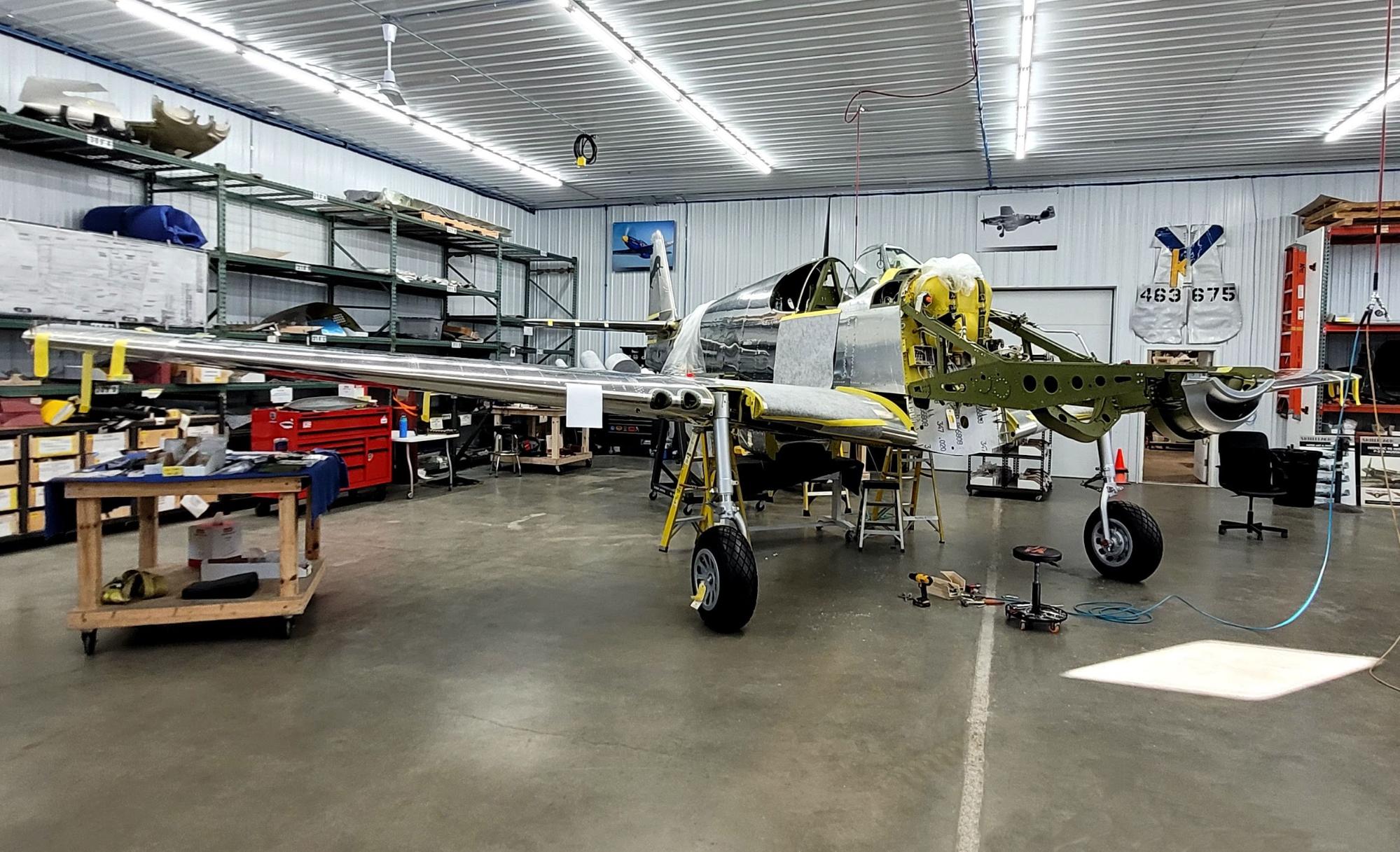
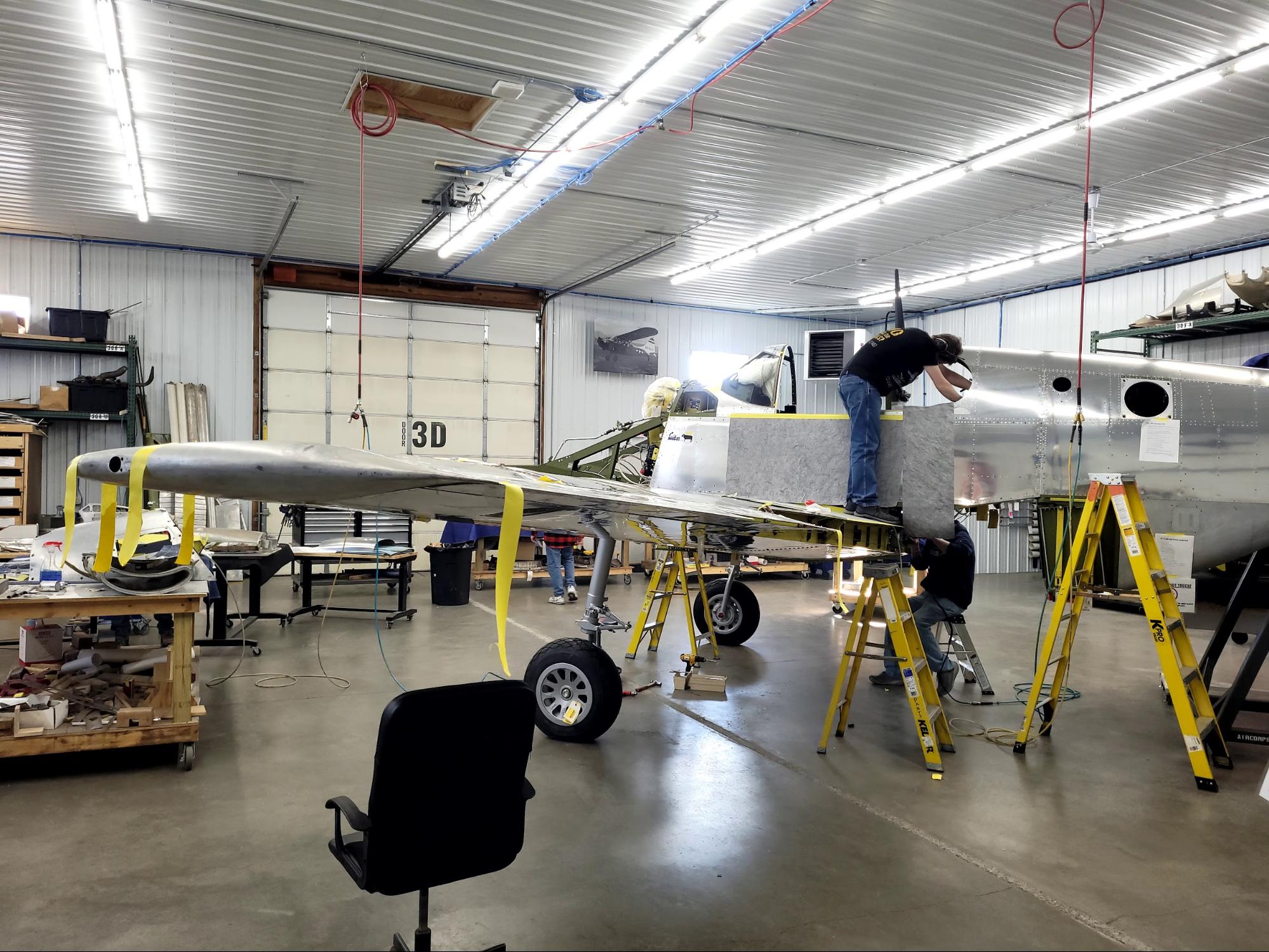
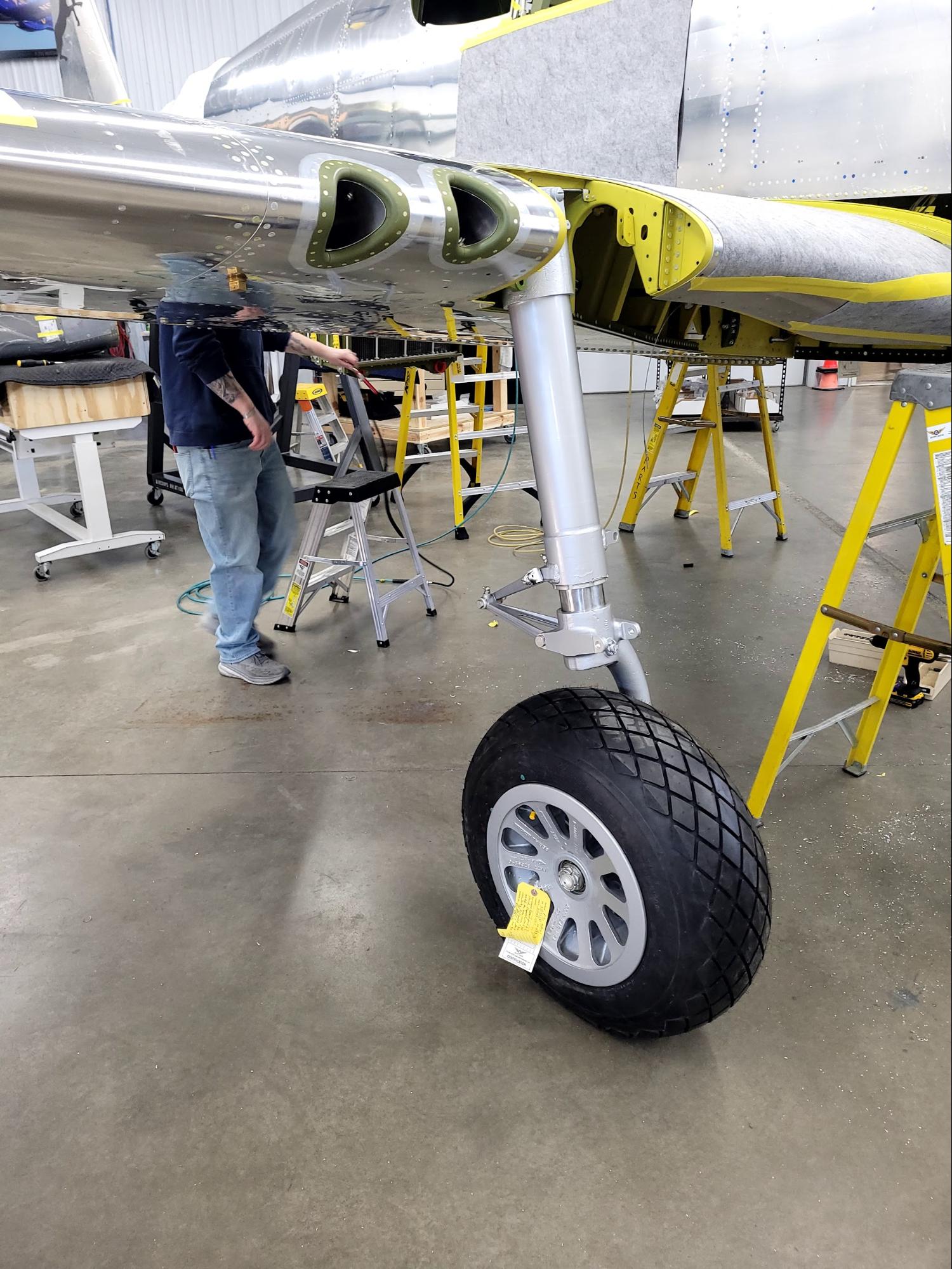
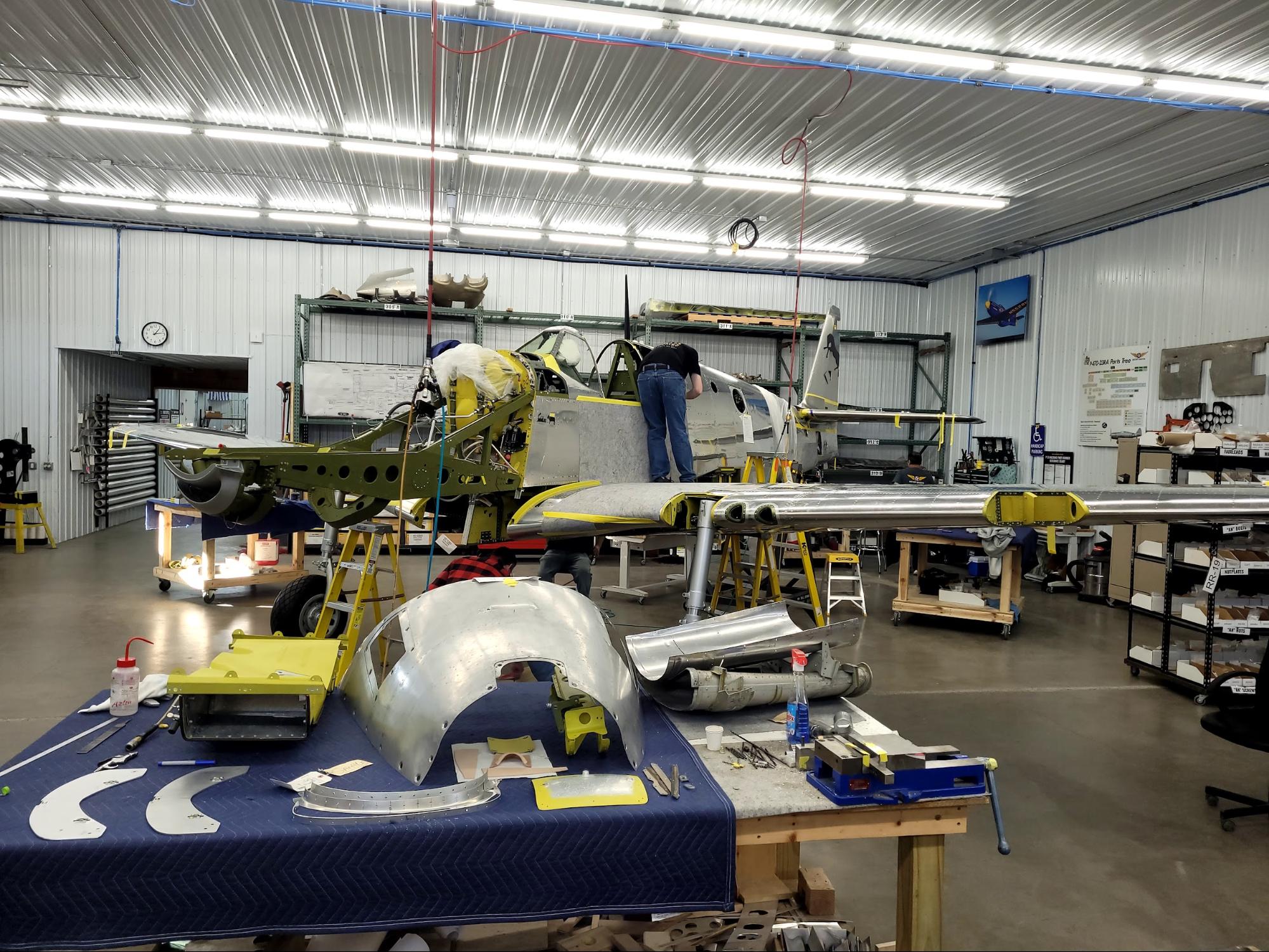
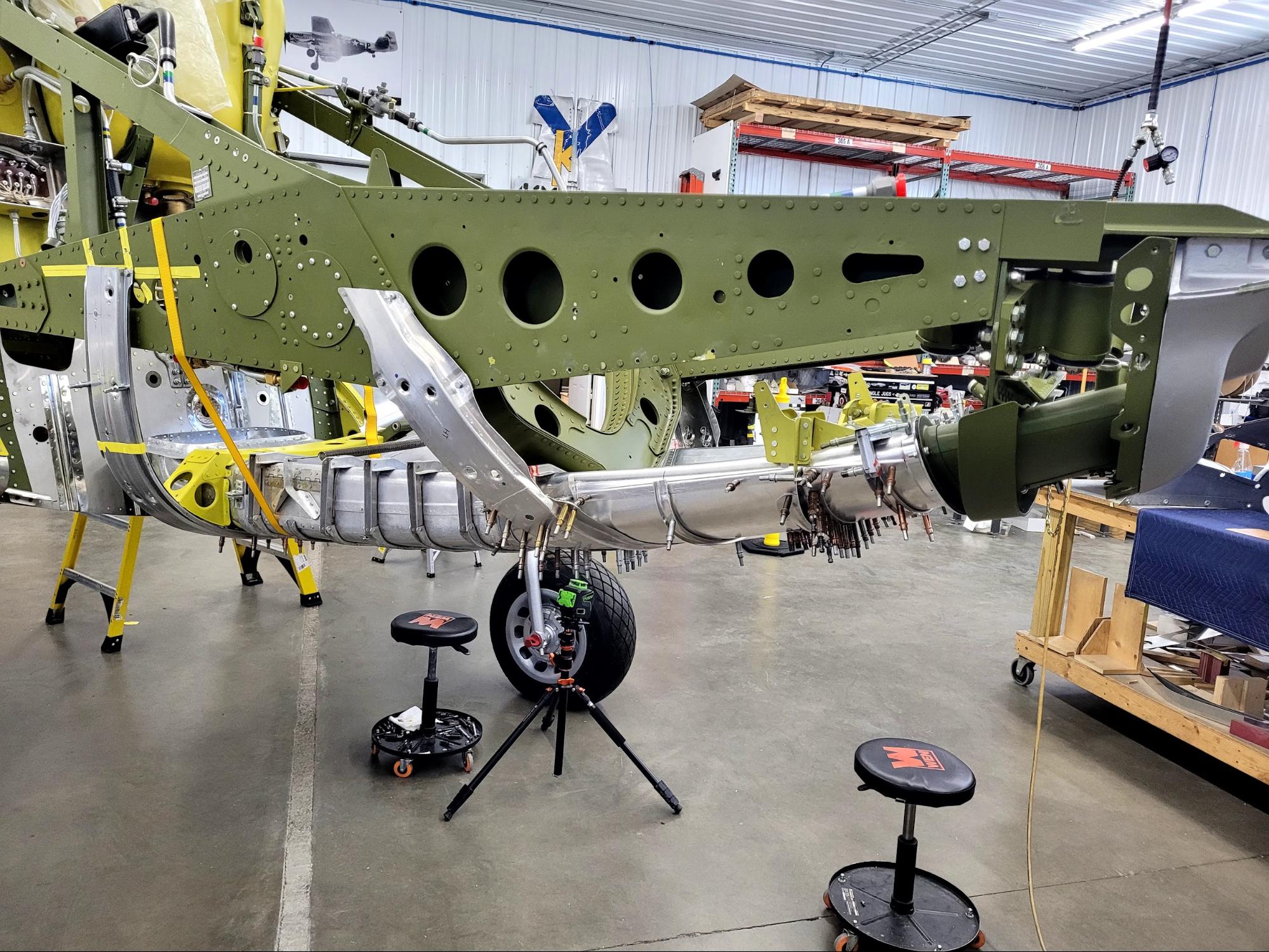
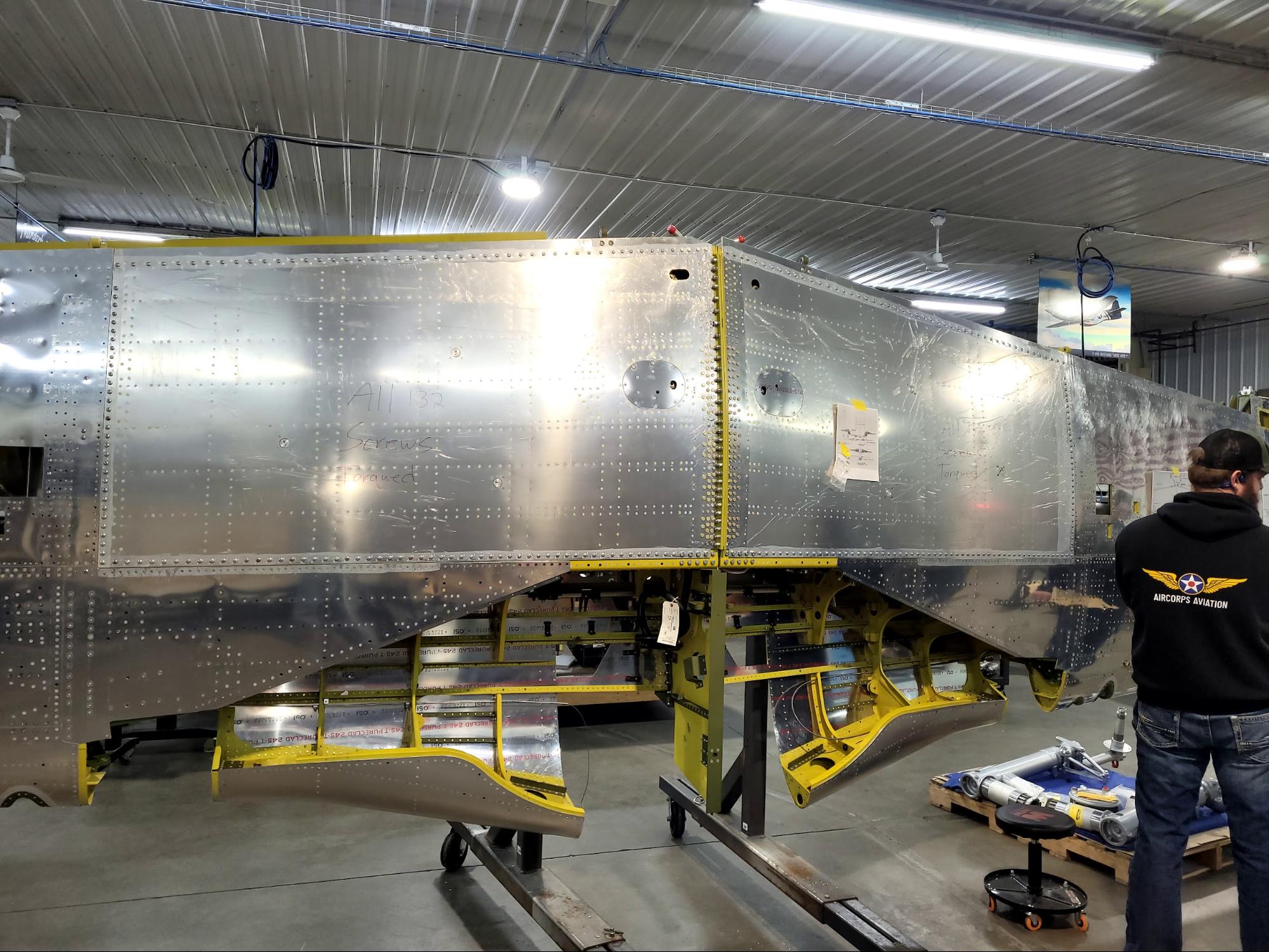
Another momentous stage in the restoration of P-51B Shillelaugh was reached this month as the wing and fuselage were mated together. Work on systems and in the cockpit continued to progress. As the major assemblies come together, it seems like the pace of the restoration has picked up, but that impression is probably a result of more visually interesting events happening than more rapid work. The restoration has been done with maximum effort all along.
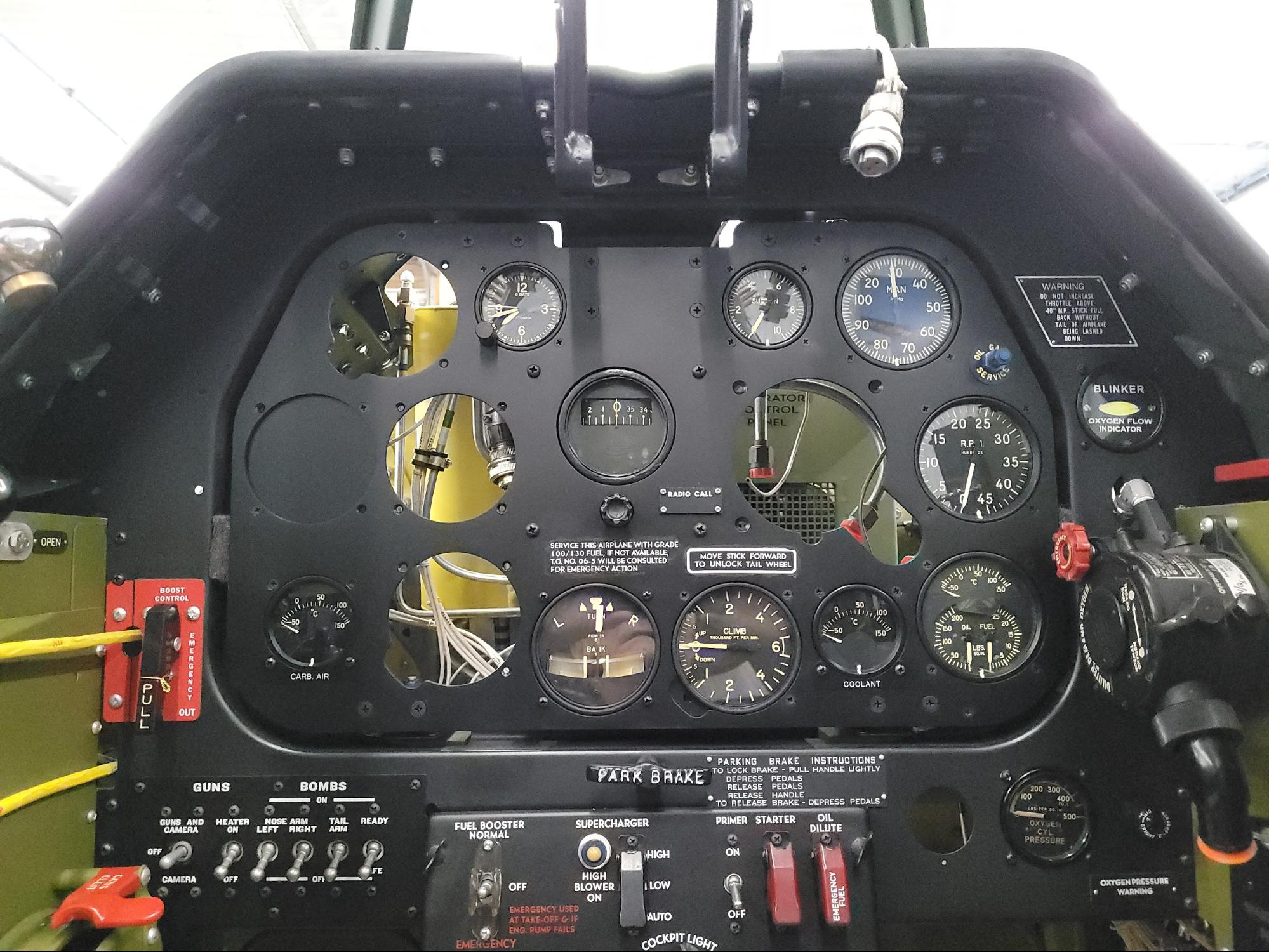
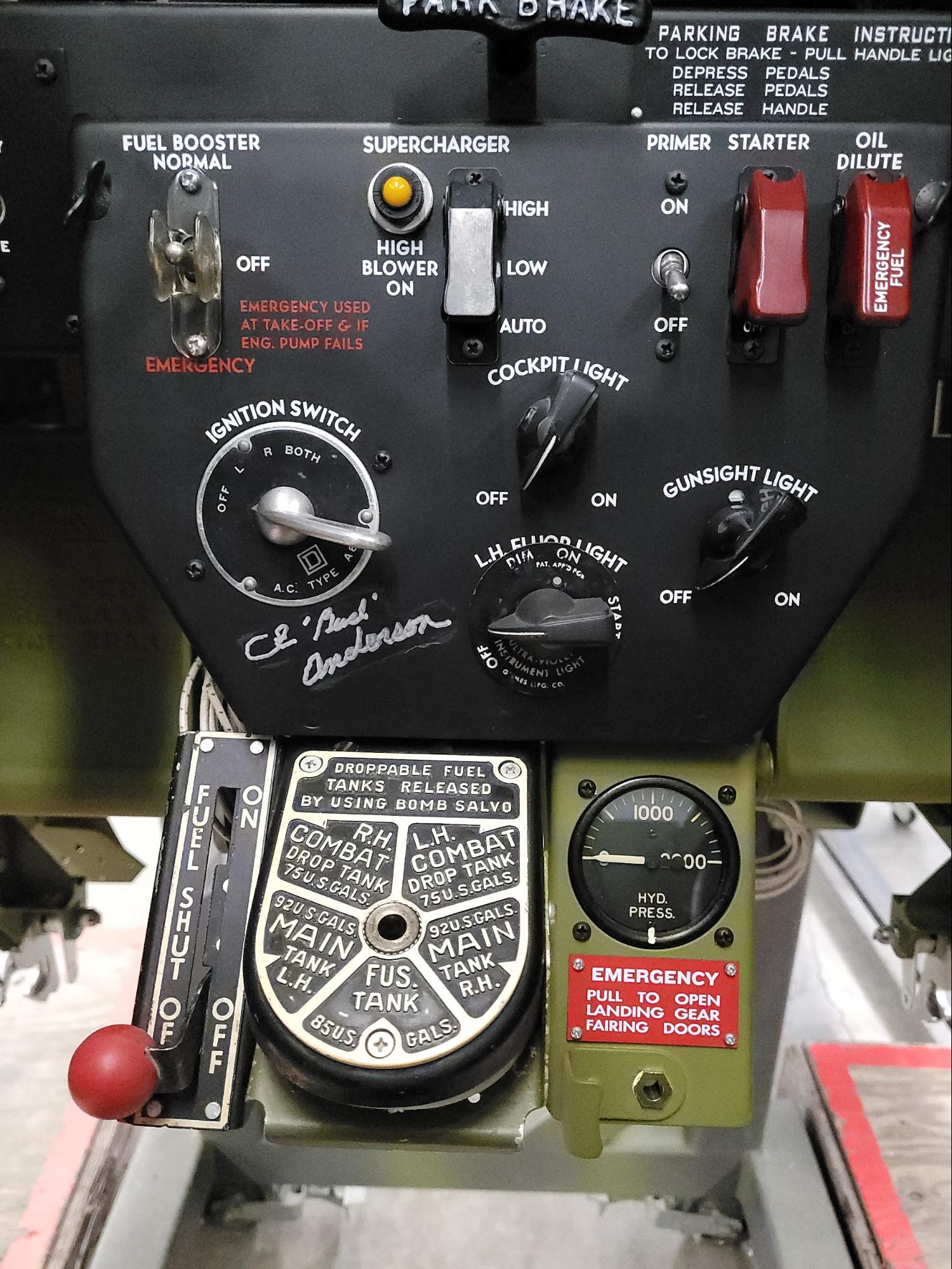
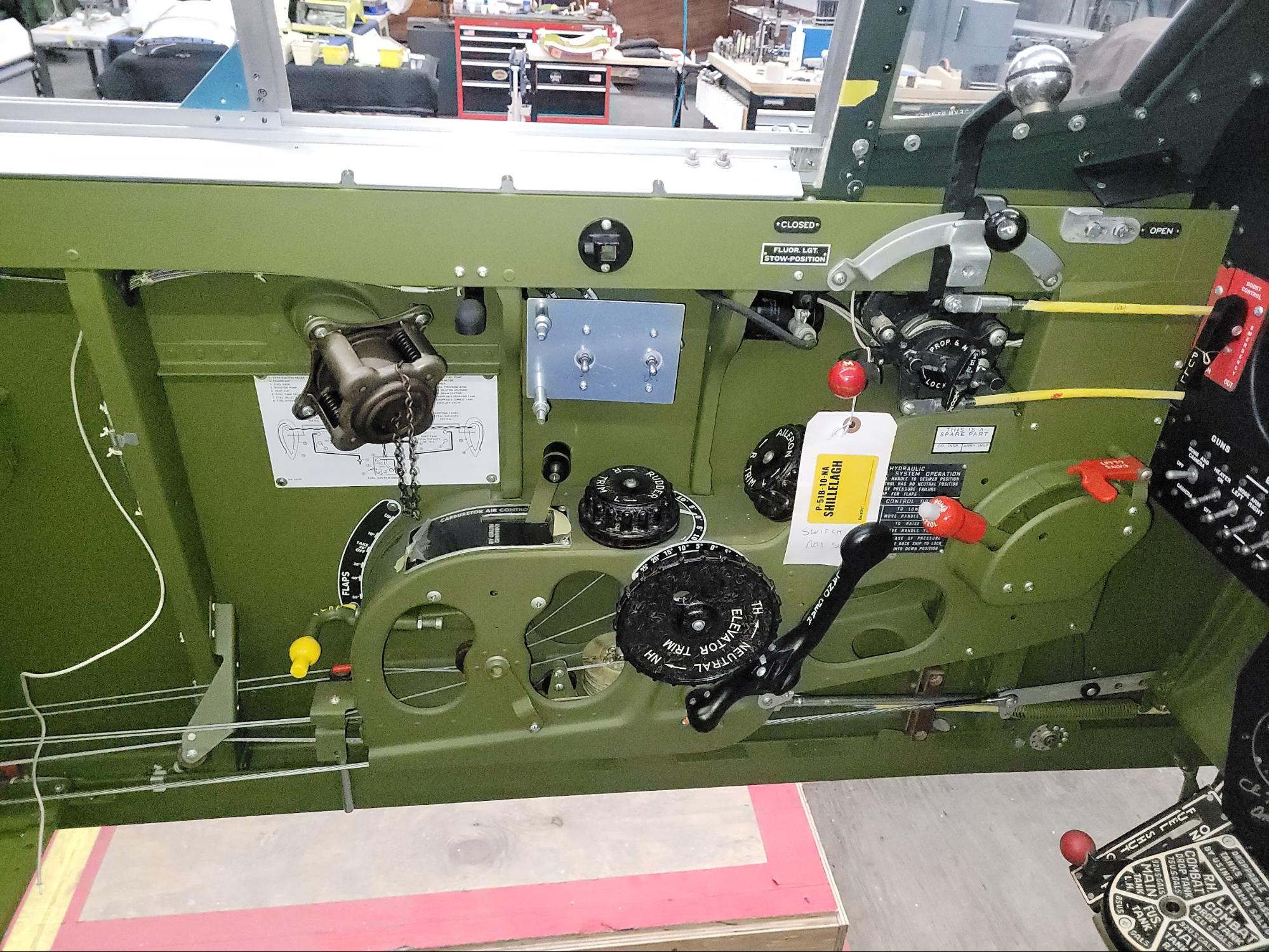
Ensuring all cockpit systems, instruments, and equipment are accurate and functional requires a significant, ongoing investment of time. Seeing the progress is exciting because when the cockpit has been completed, the test flight is months instead of years away.
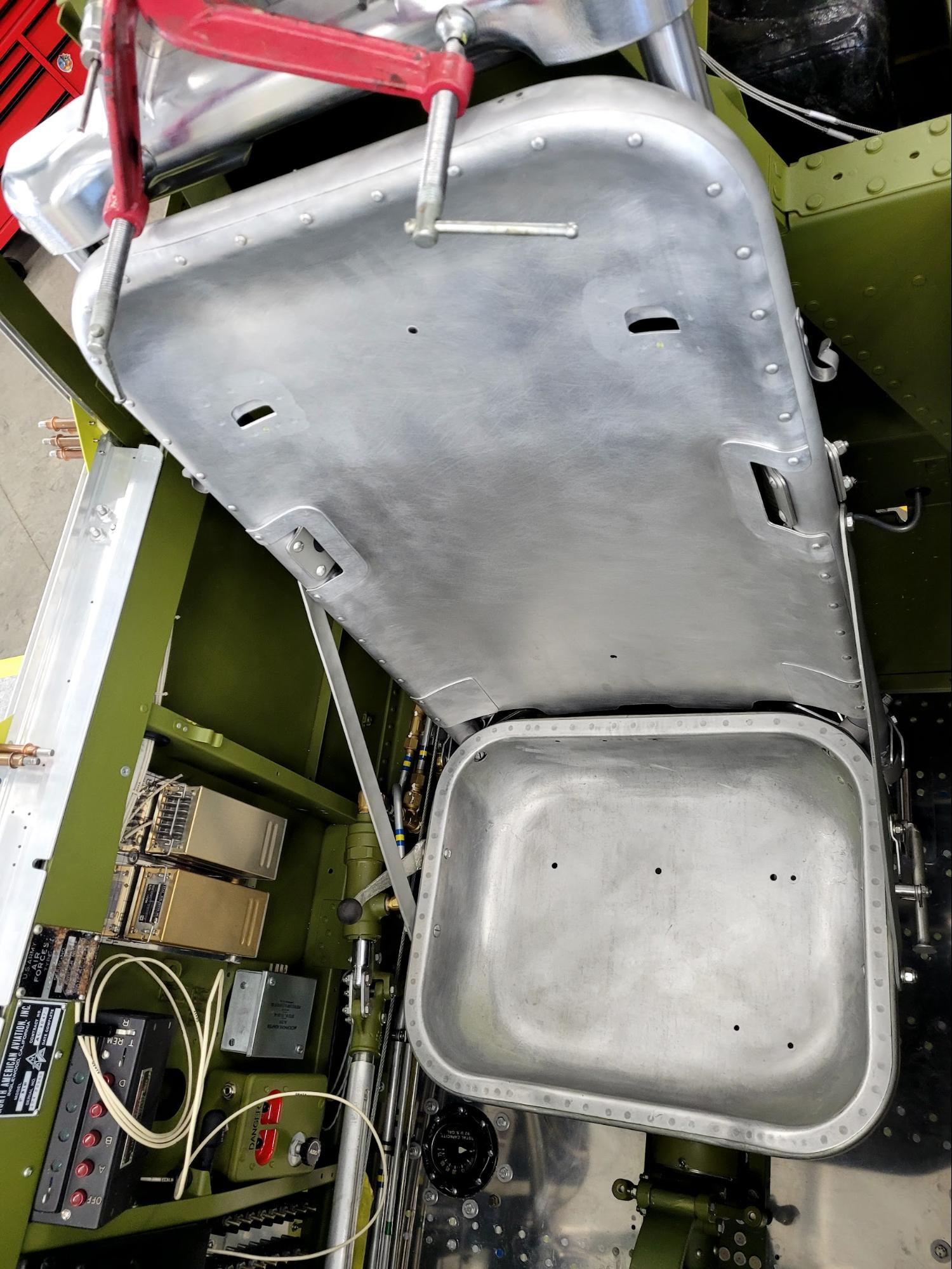
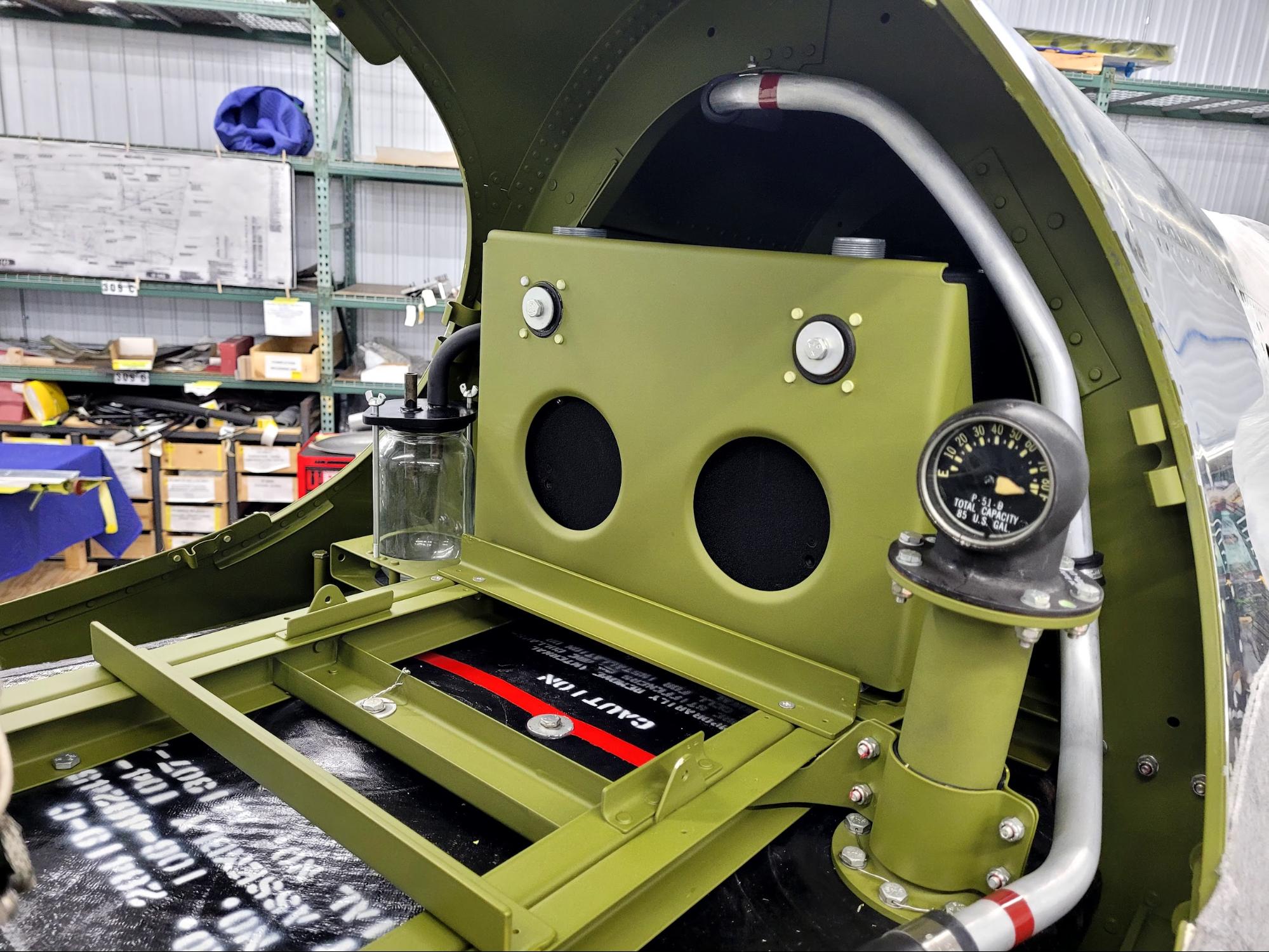
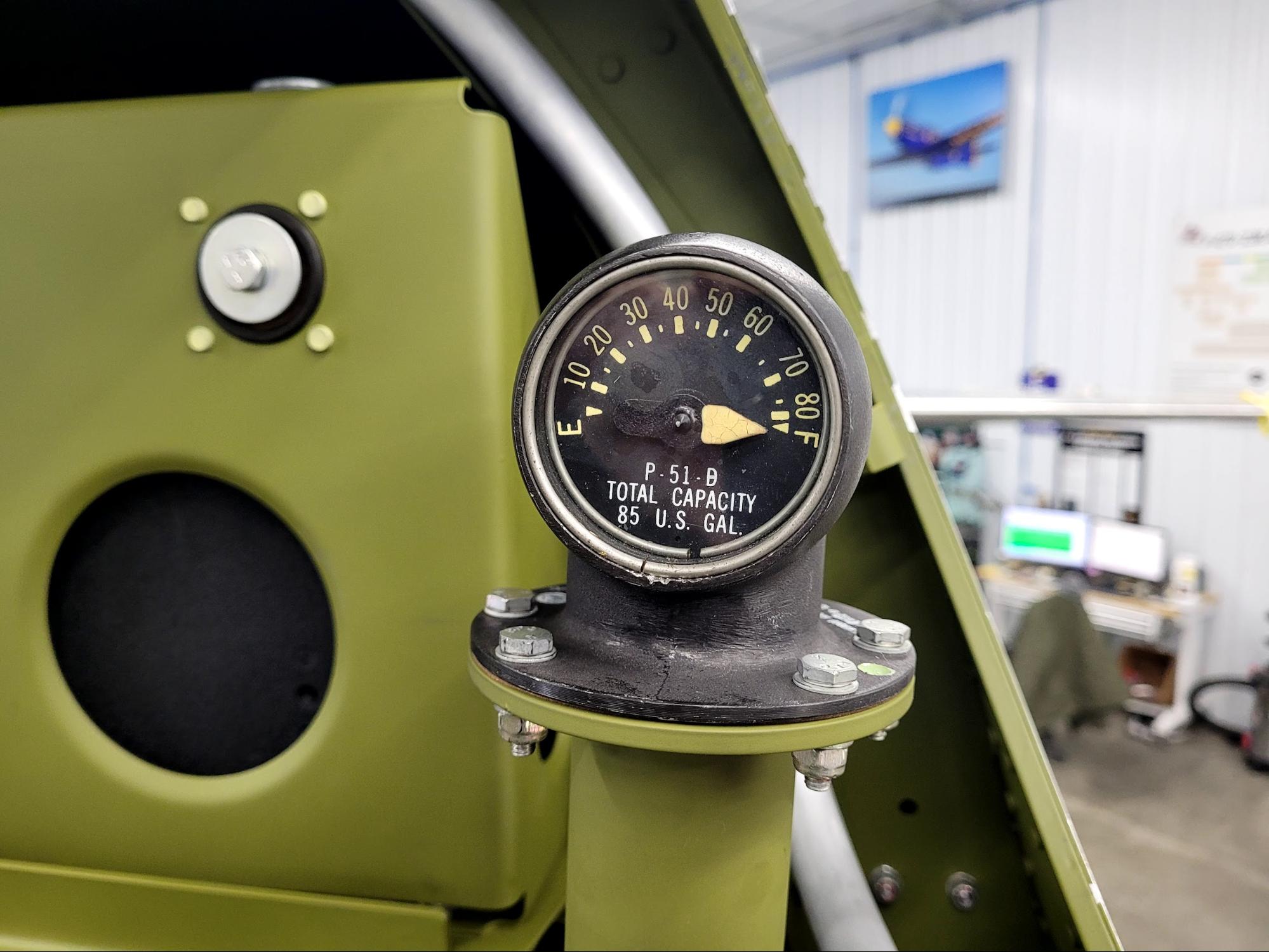
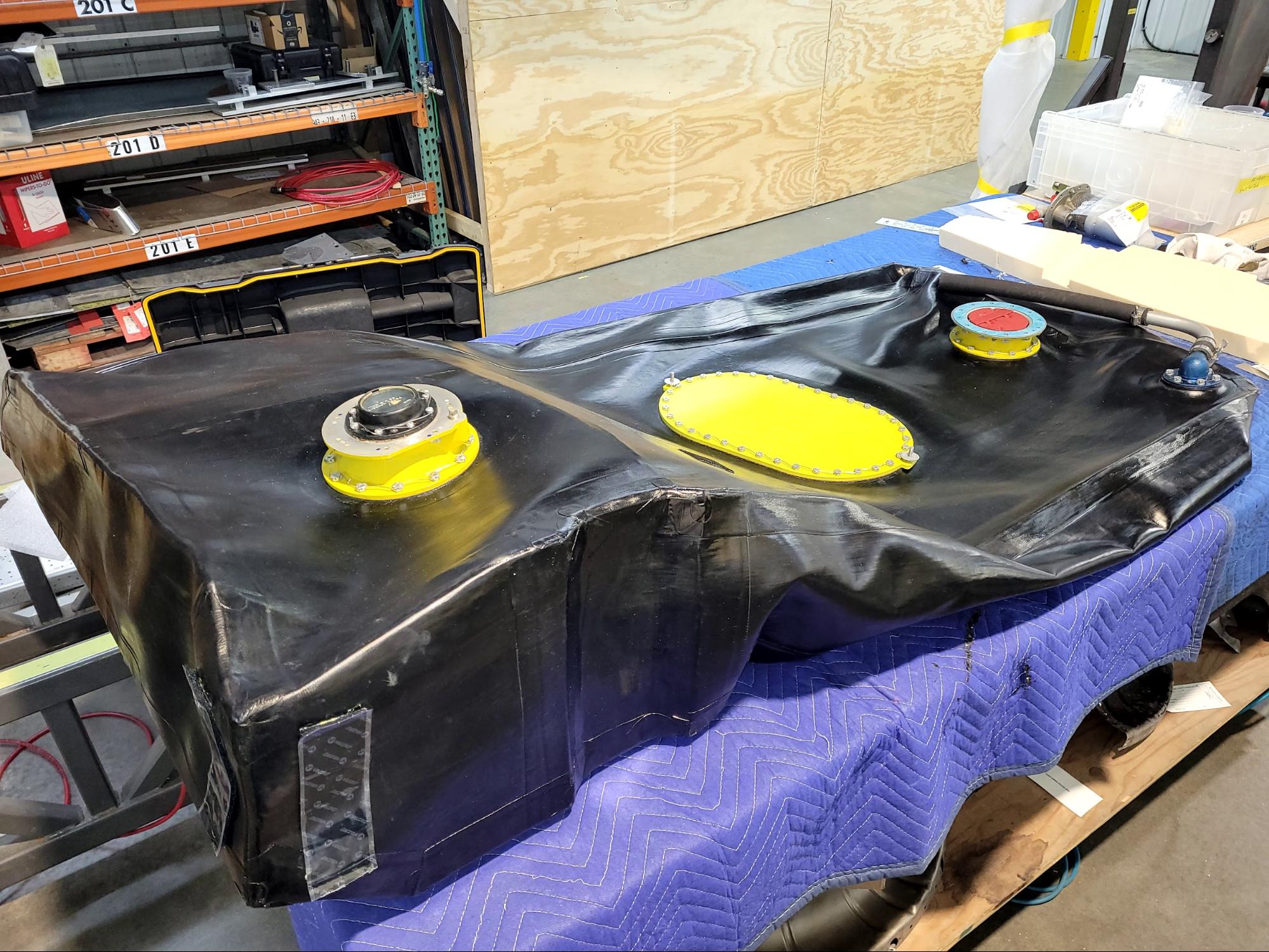
During the first half of 1943, heavy bombers faced devastating casualties whenever mission distances exceeded the operational reach of their escort fighters. Pressure mounted to produce a long-range escort fighter, so North American experimented with adding a fuselage tank.
The first Mustang to actually fly with the tank was P-51B-1NA 43-12112, which had a 93-gallon steel fuselage tank added. (1) This flight took place on July 17, 1943. This historic P-51B still exists and is owned and may be restored by our friends at Fagen Fighters.
In early August 1943, P-51B-1 43-12304 was successfully flown with both a Firestone 85-gallon self-sealing fuselage tank and combat drop tanks. Experimentation continued, but the configuration for the much-needed long-range escort fighter was being finalized.
The first P-51 B model Mustangs to enter service with a fuselage tank were taken from the assembly line of P-51B-5NAs. The 85-gallon tank was added at a modification center. These Mustangs were designated as P-51B-7NA.
North American established the change point as the beginning of the P-51B-10NA block. So the first production block to be built with the internal fuselage fuel tank installed on the production line was the P-51B-10NA, which is Shillelaugh’s production block.
1) James William Marshall and Lowell Ford, P-51B Mustang, North American’s Bastard Stepchild That Saved the Eighth Air Force. Osprey Publishing Ltd, Oxford , UK 2020 , p20,5
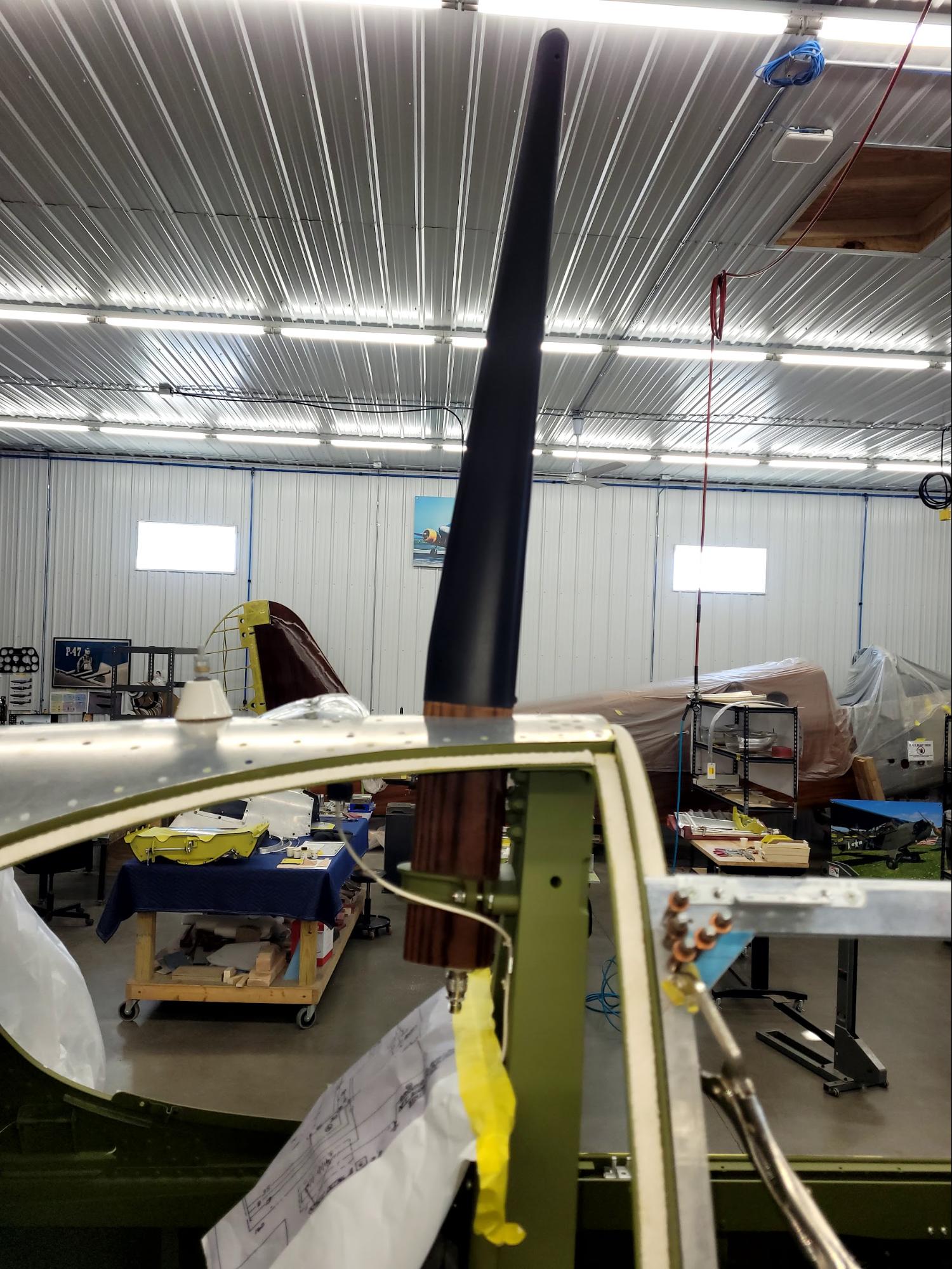
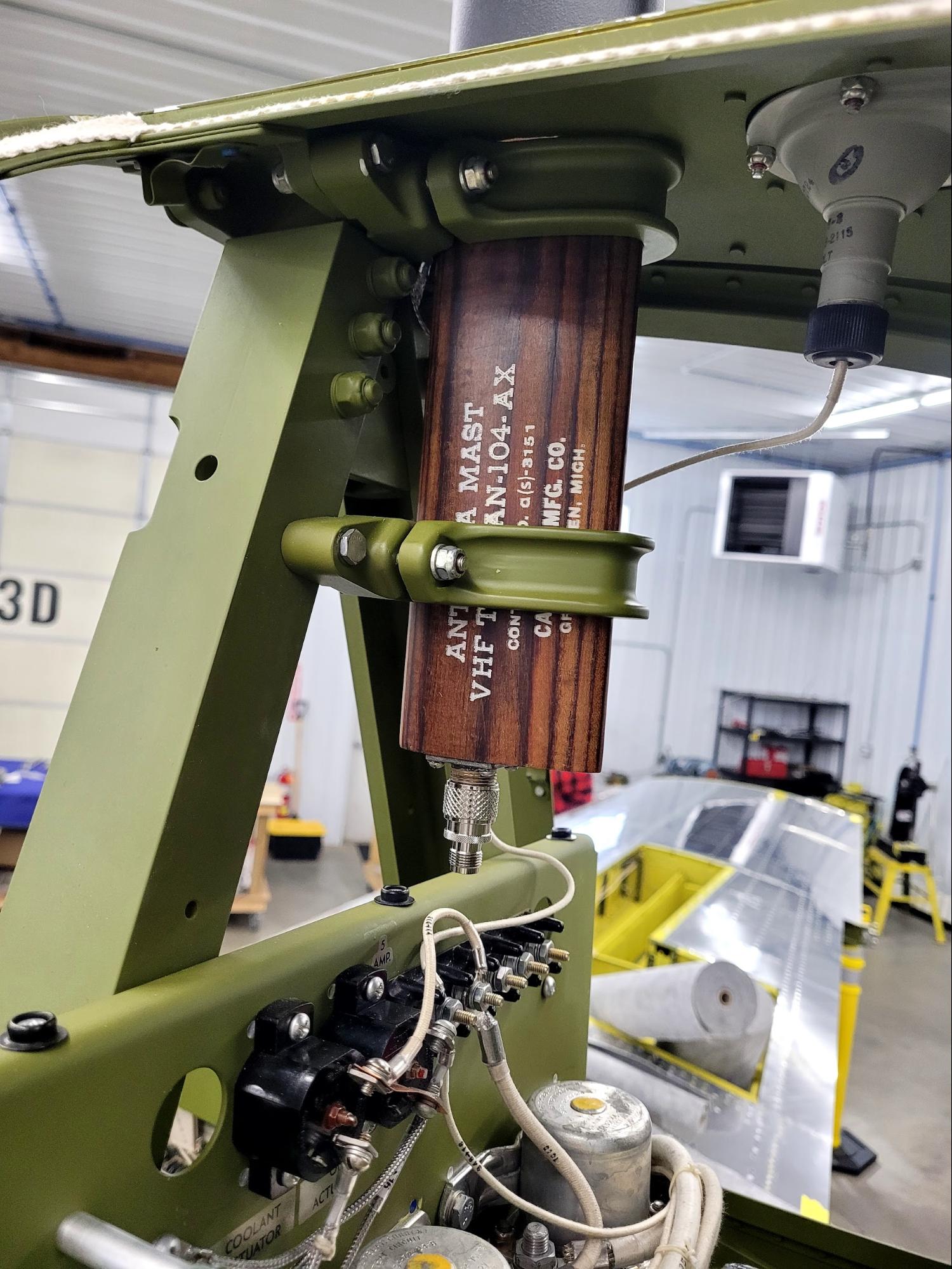
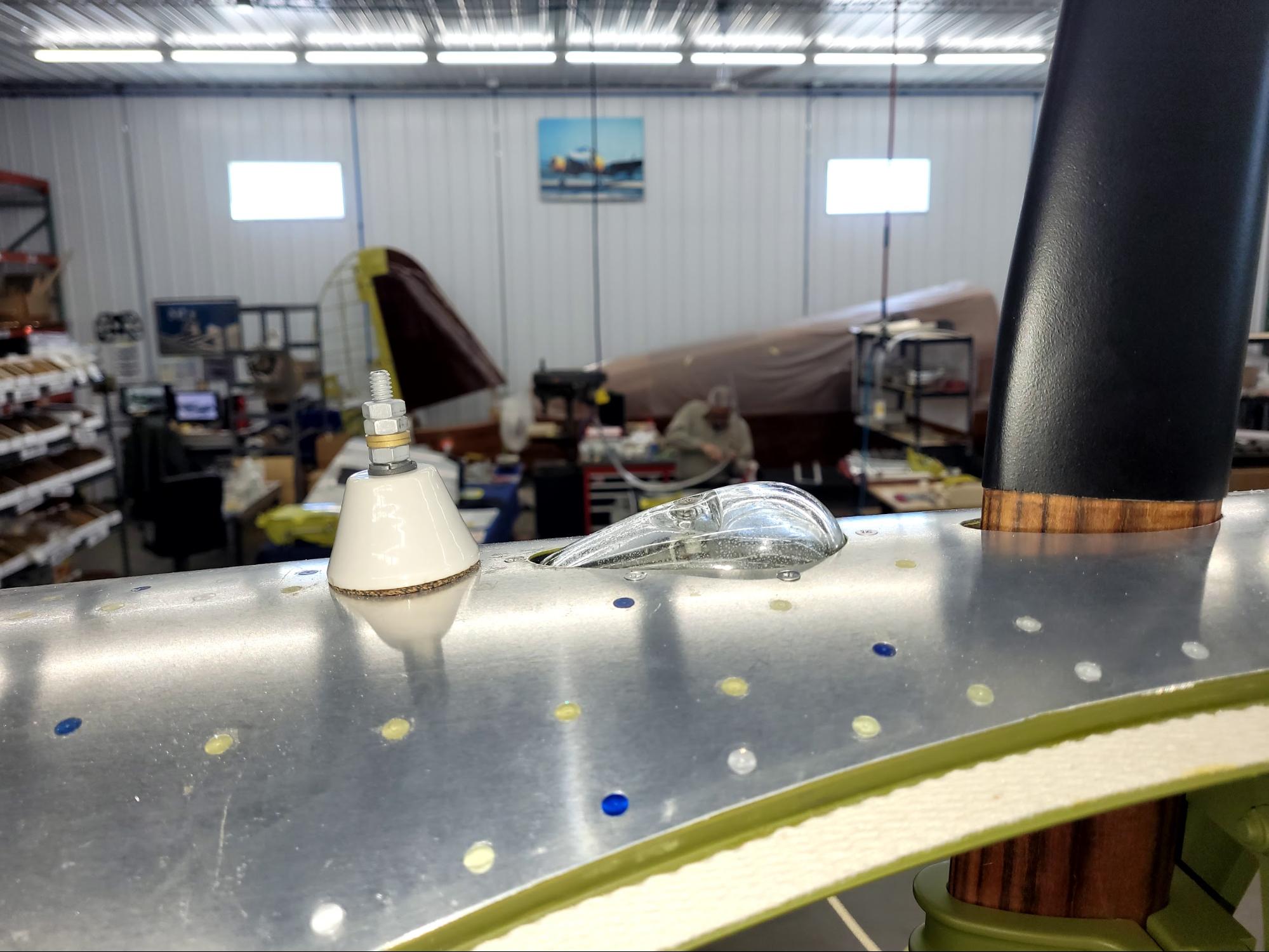
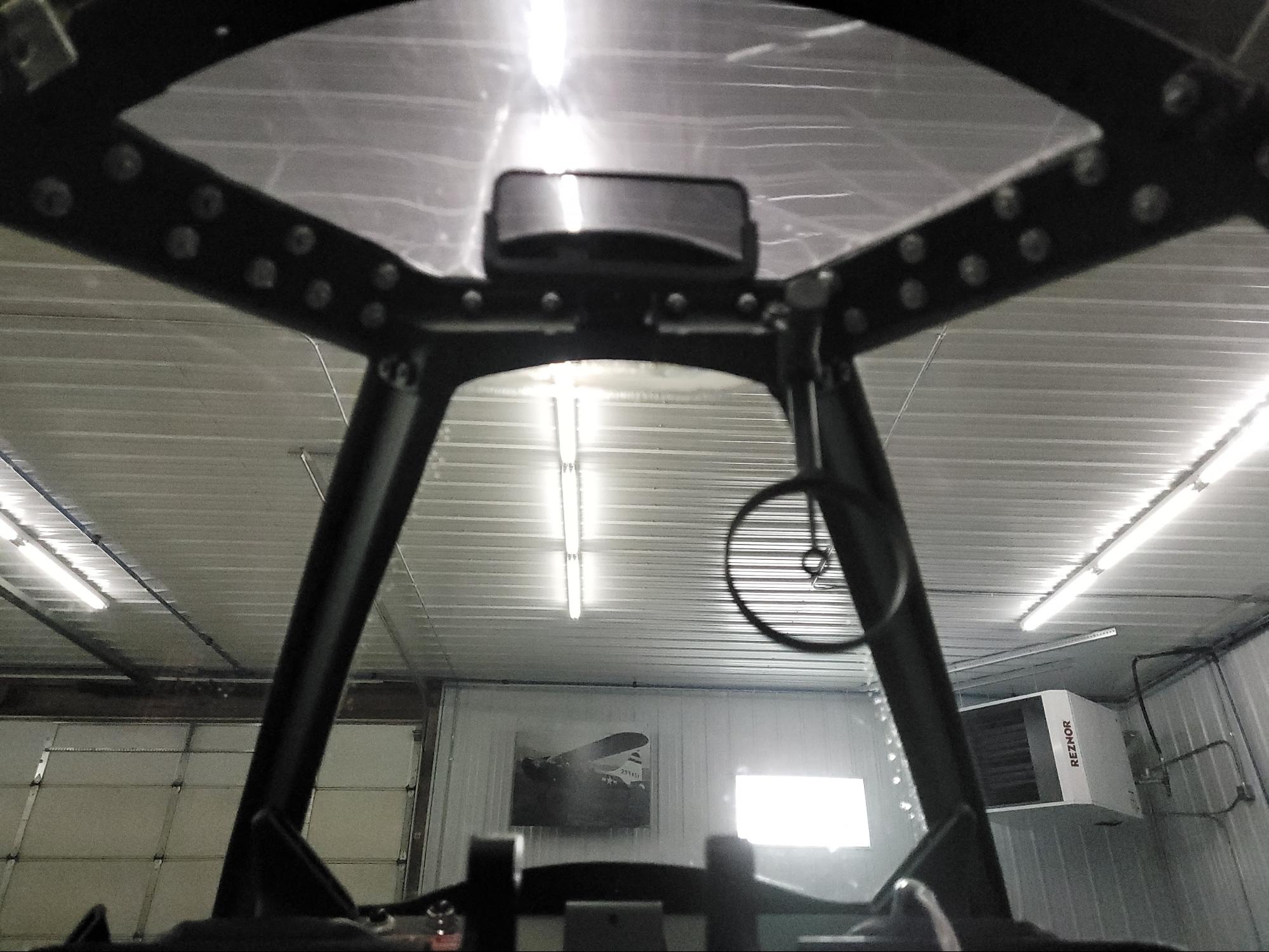
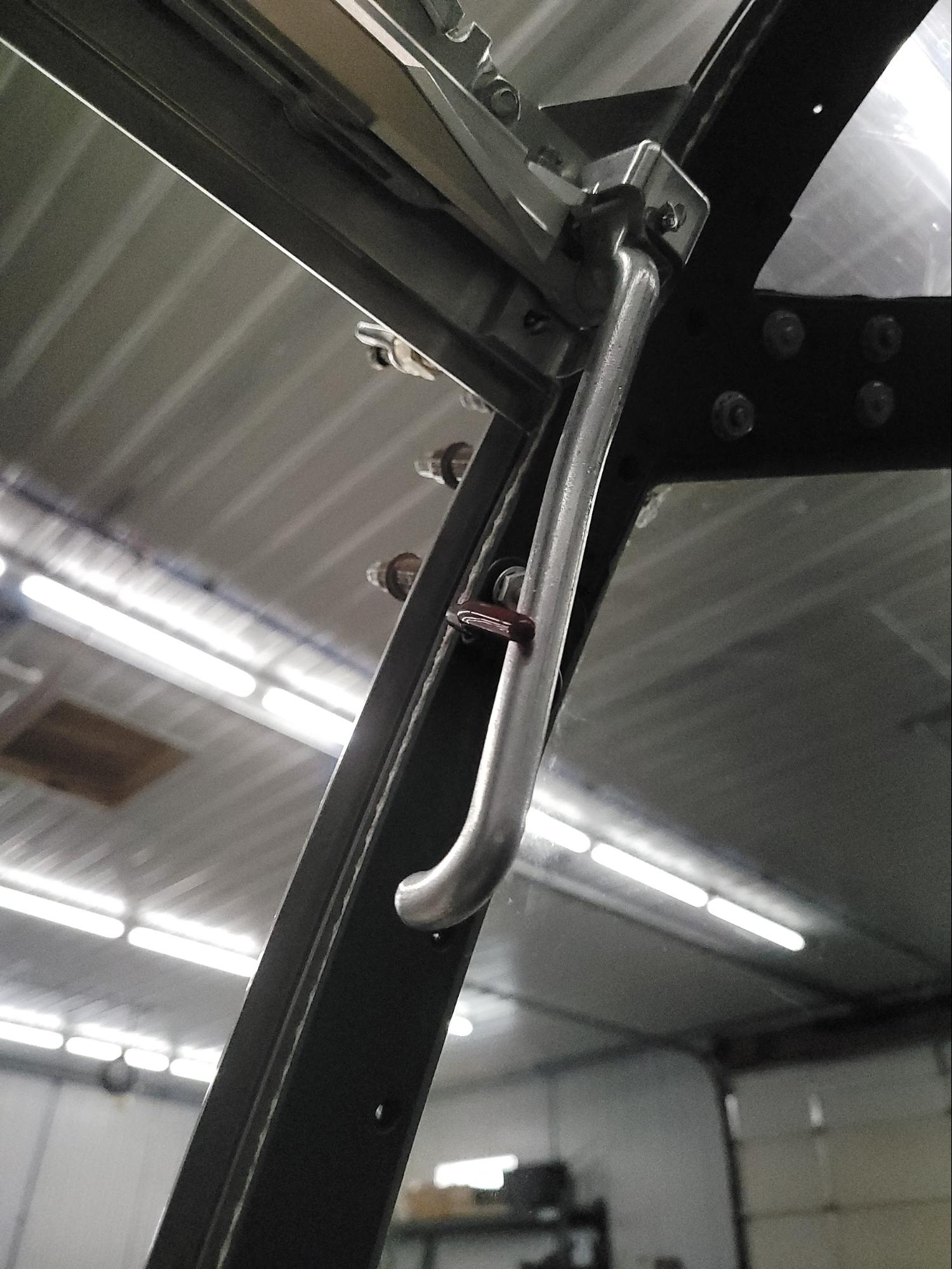
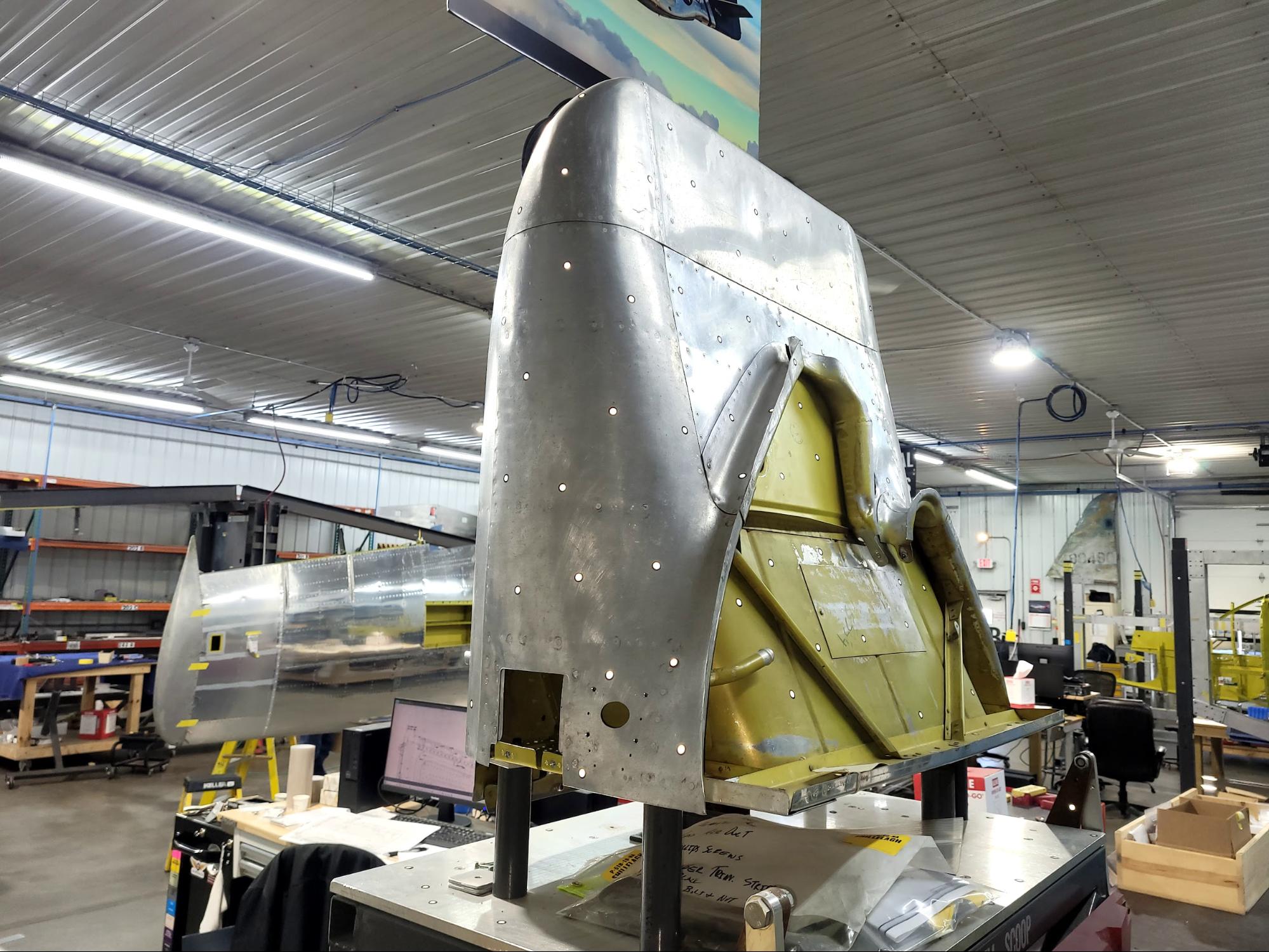
Because the left side cockpit enclosure exit hatch assembly part number (73-31949) begins with 73, we know that this assembly hasn’t been changed since the very first Mustang NA-73X.
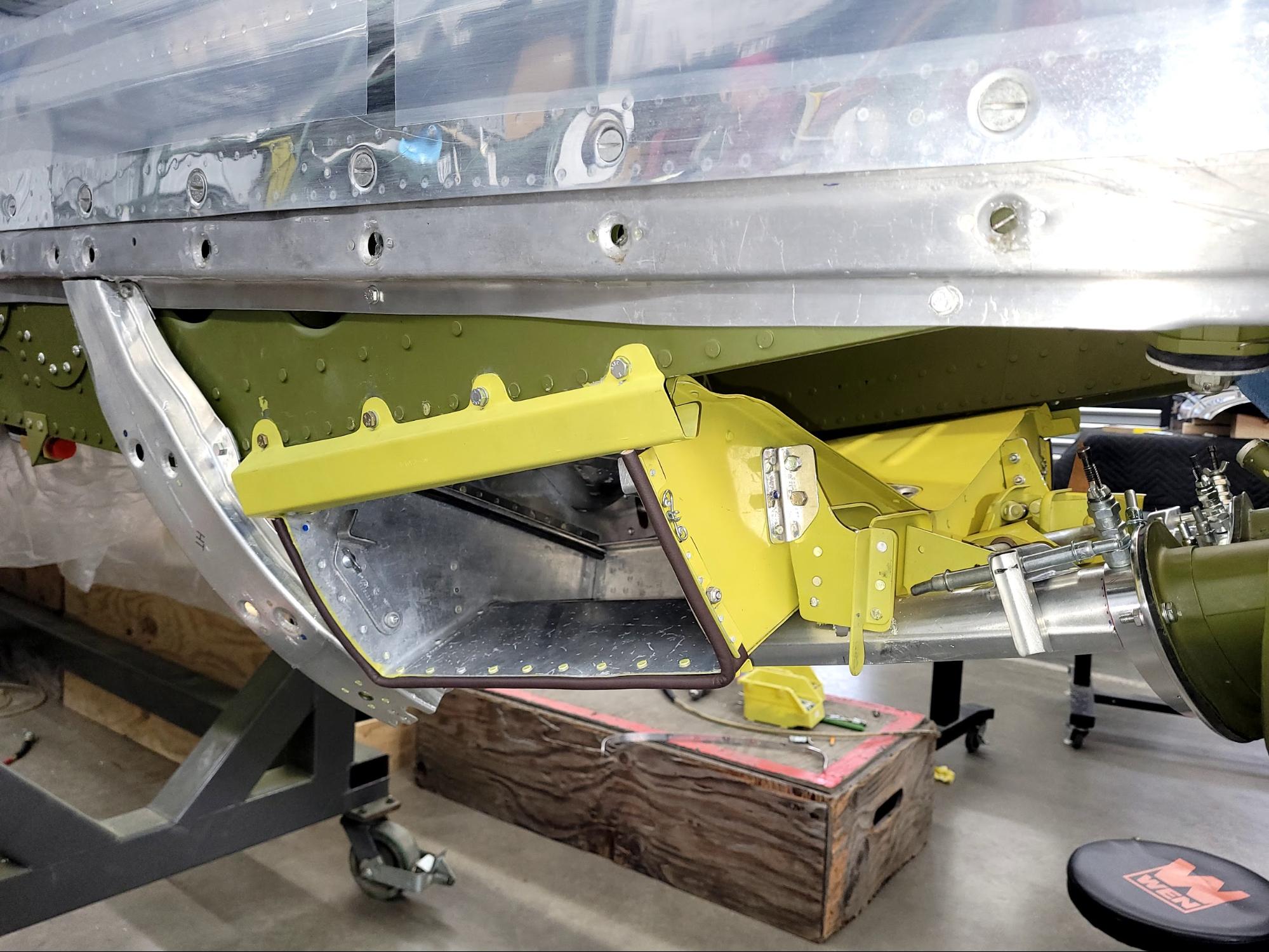
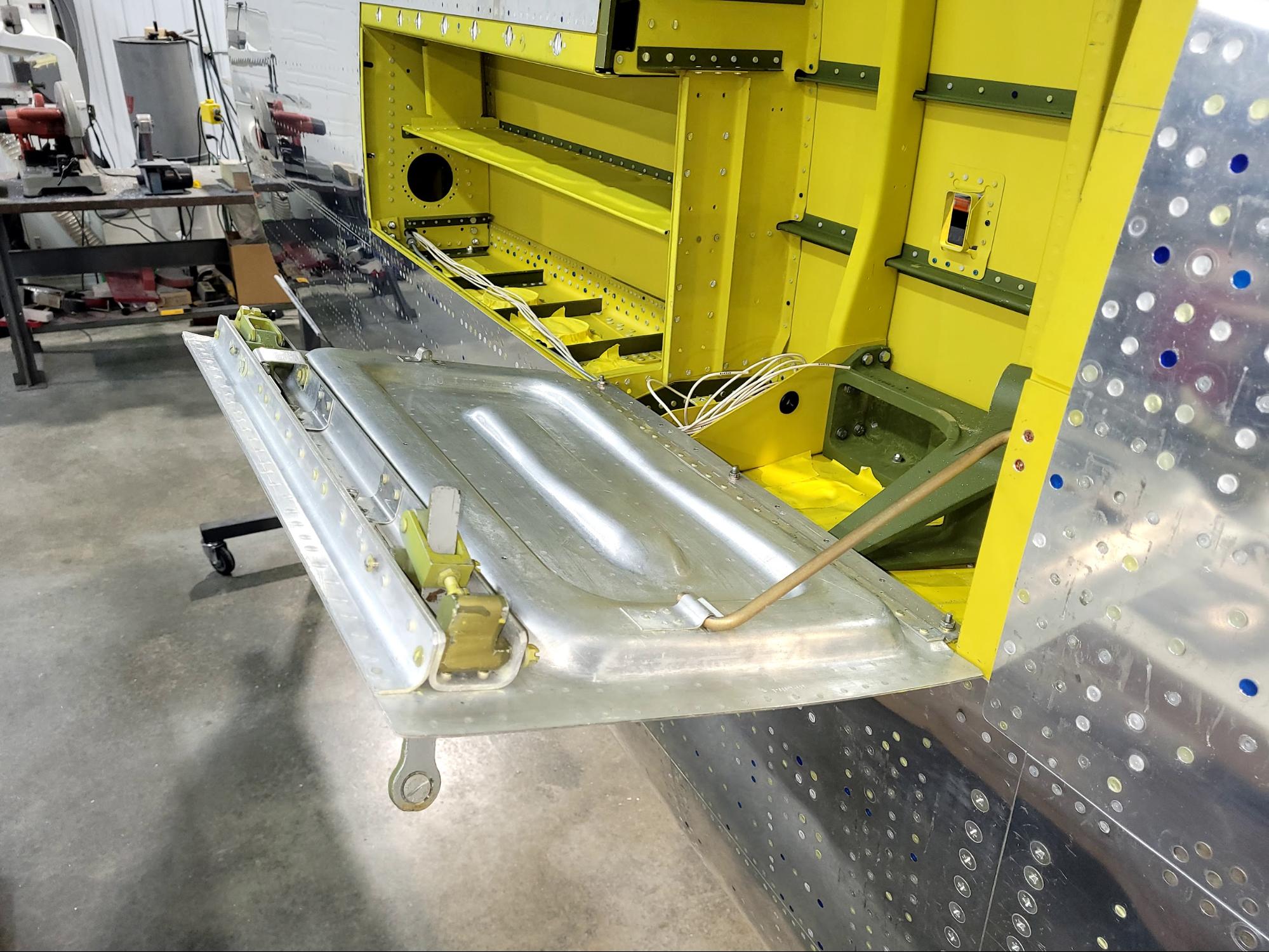
The armament is an important part of portraying the history of a warbird, so care is taken to make the bays and guns as accurate in appearance as is possible.
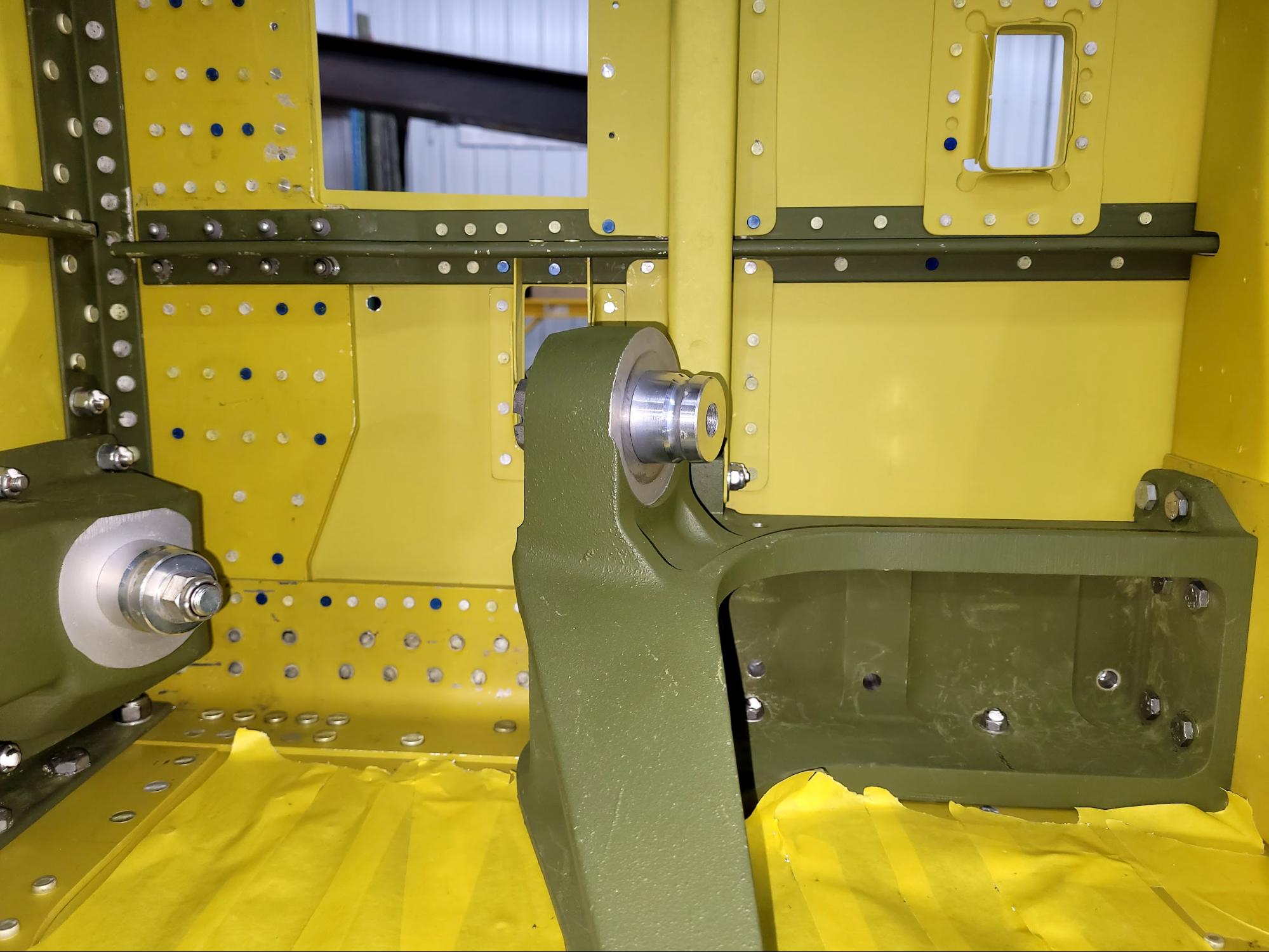
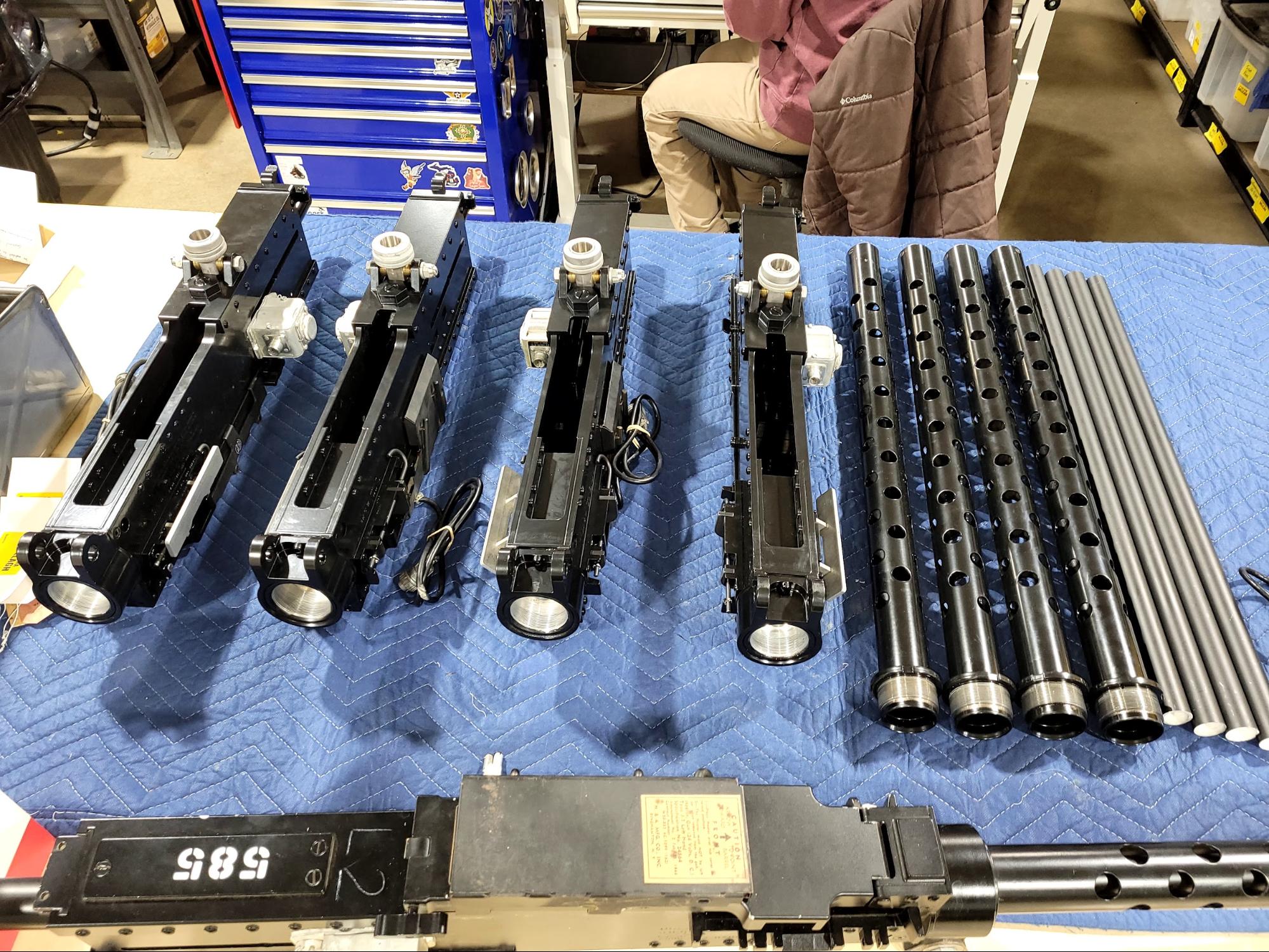
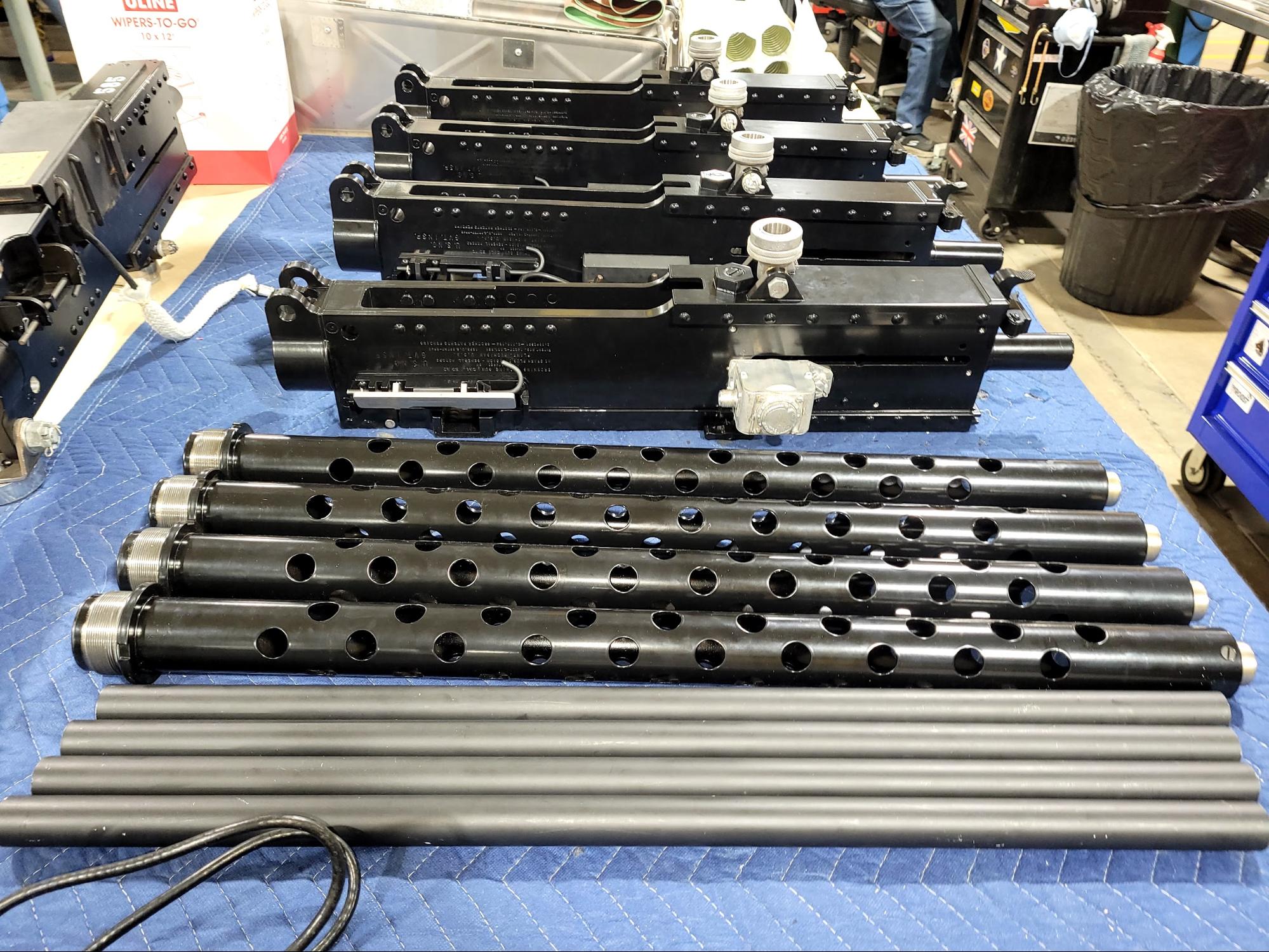
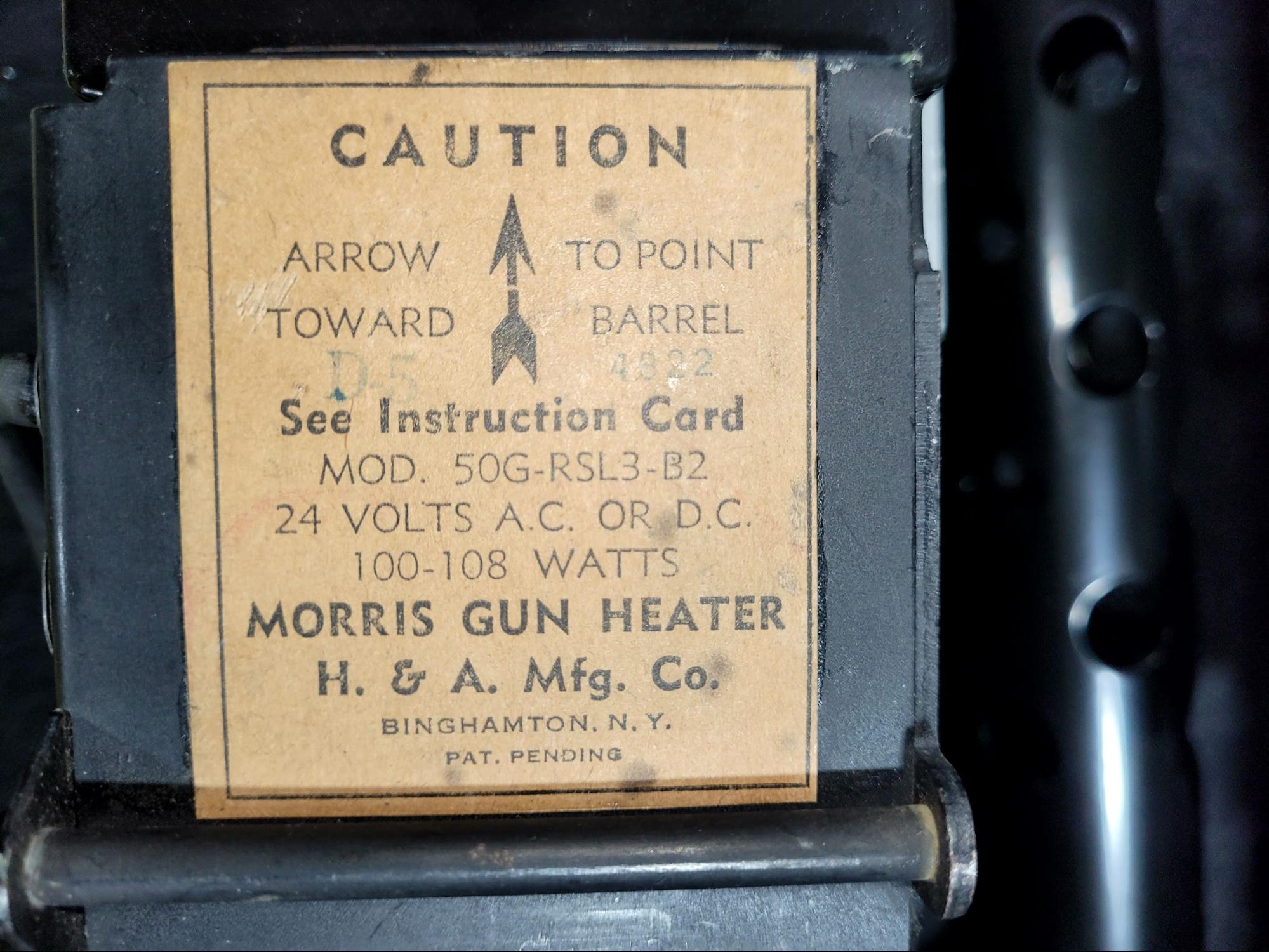
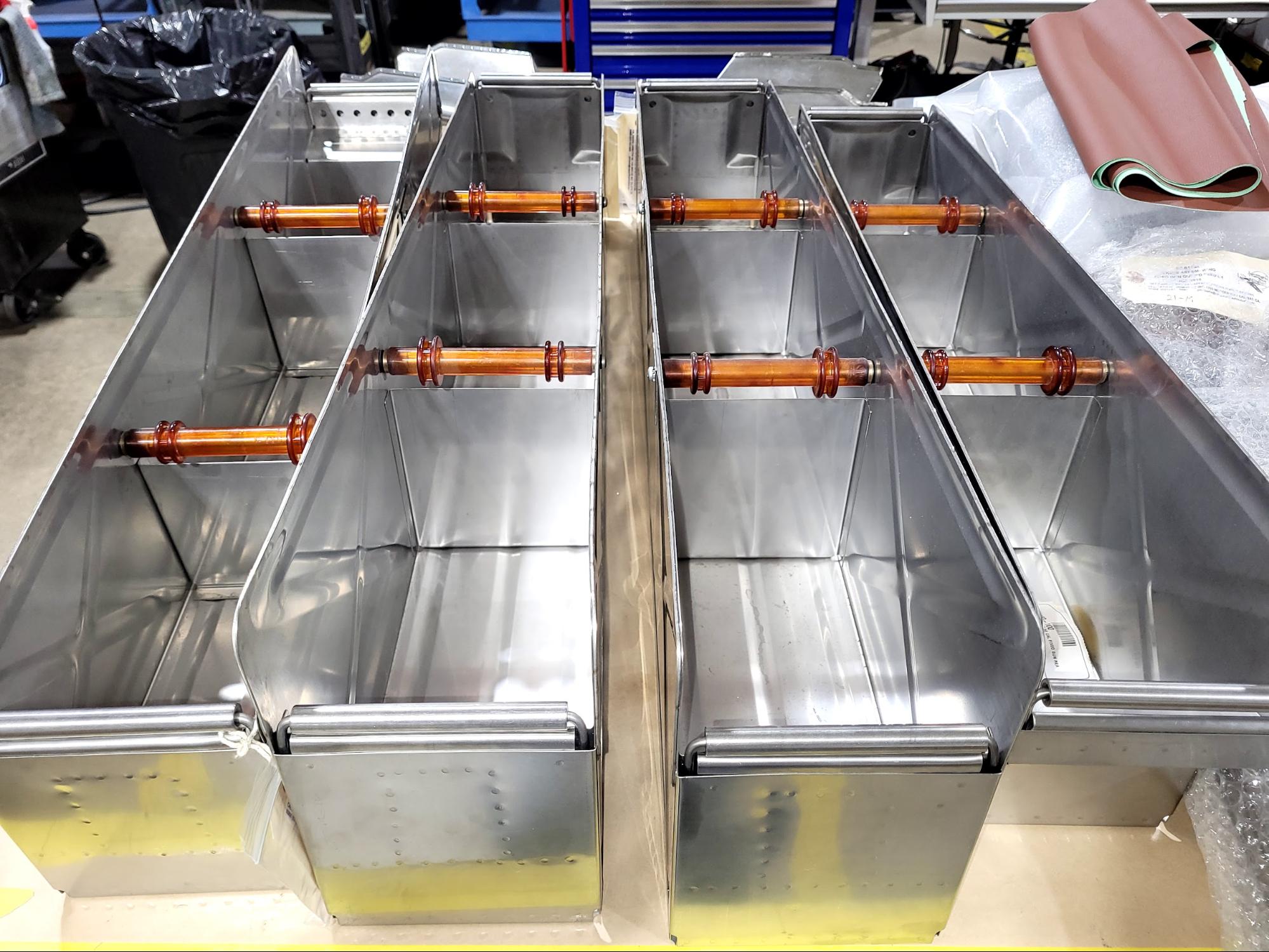
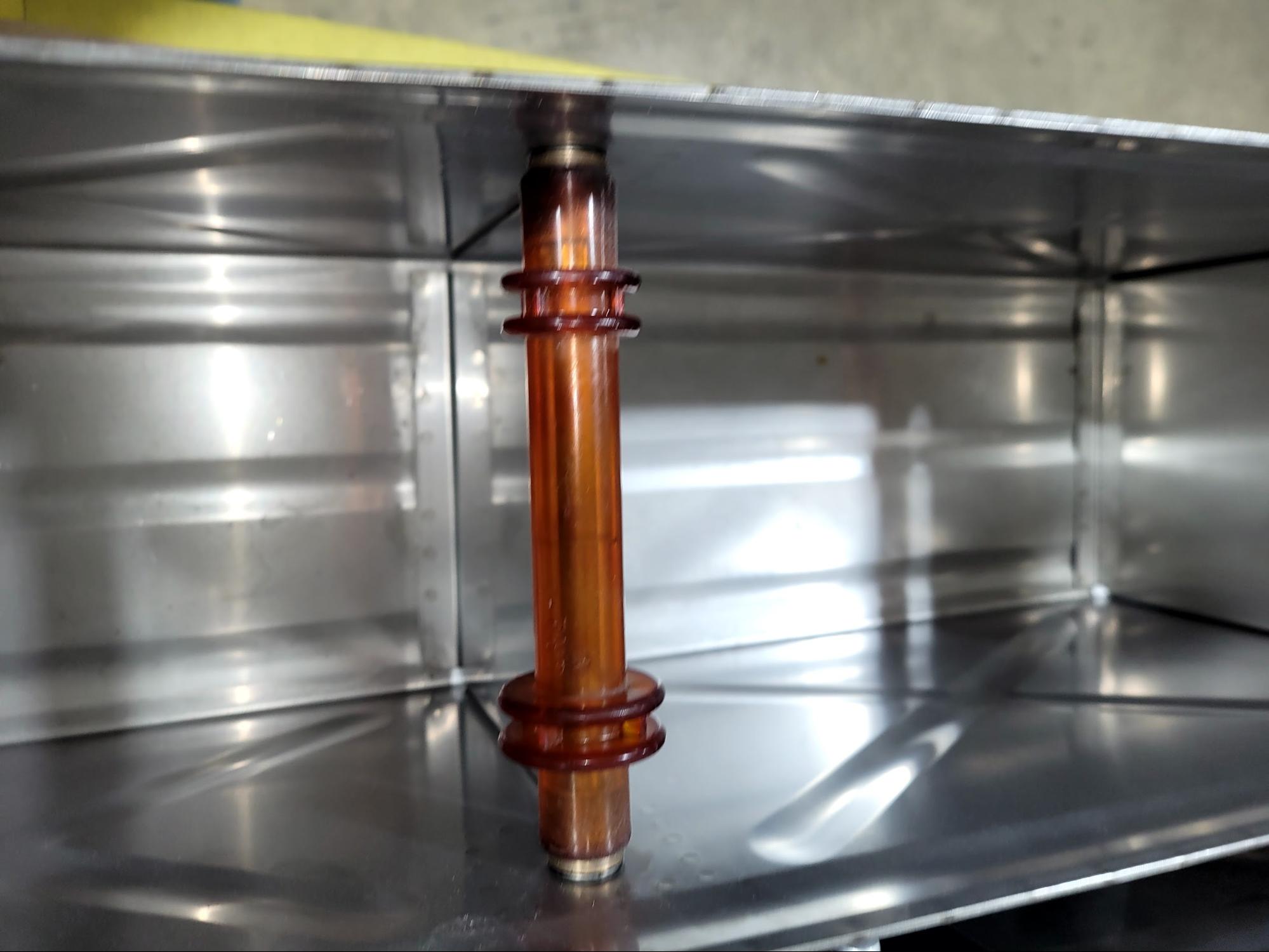
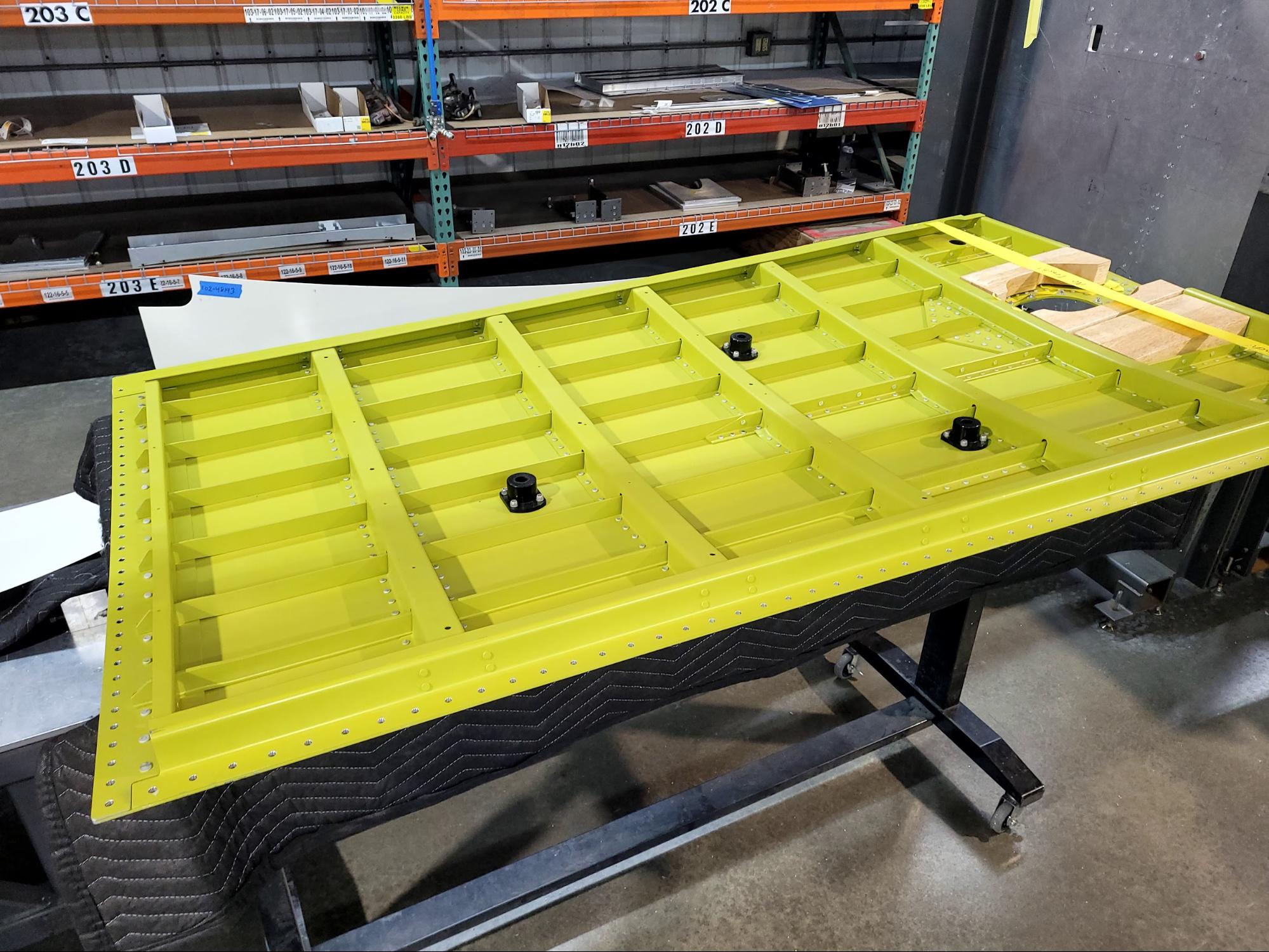
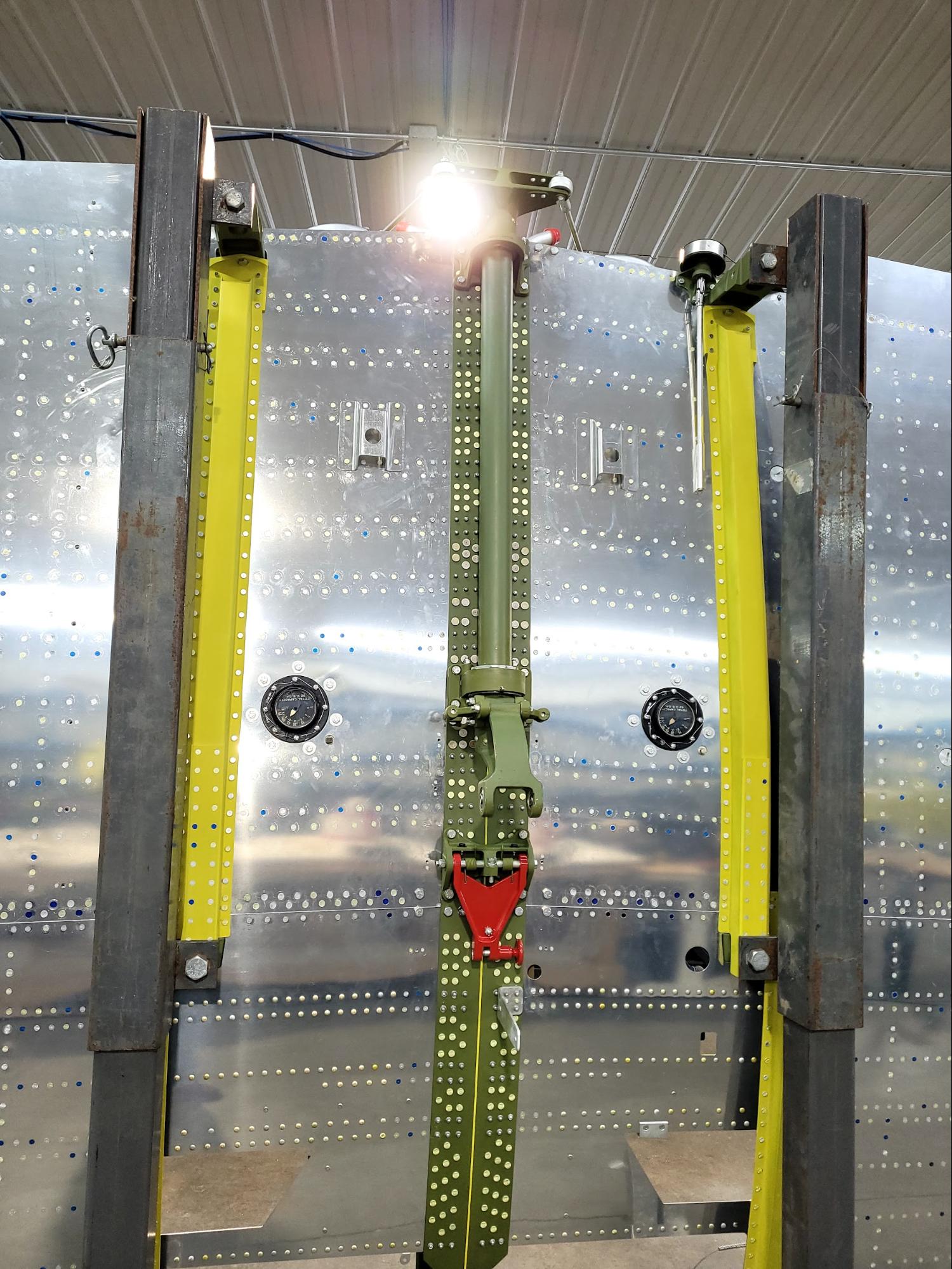
The wings are finally structurally complete. Internal items such as fuel cell bays and gun bays are receiving attention.
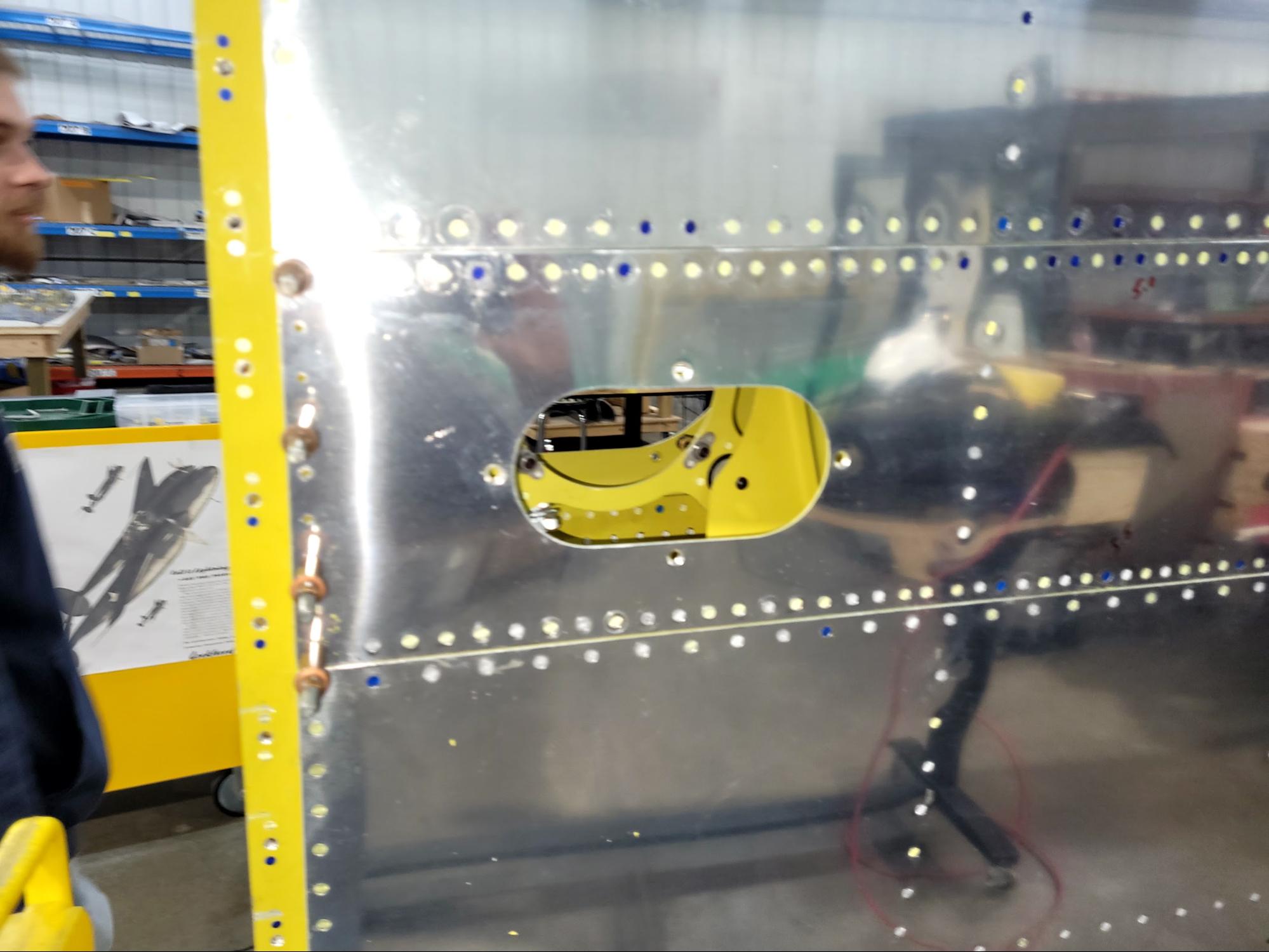
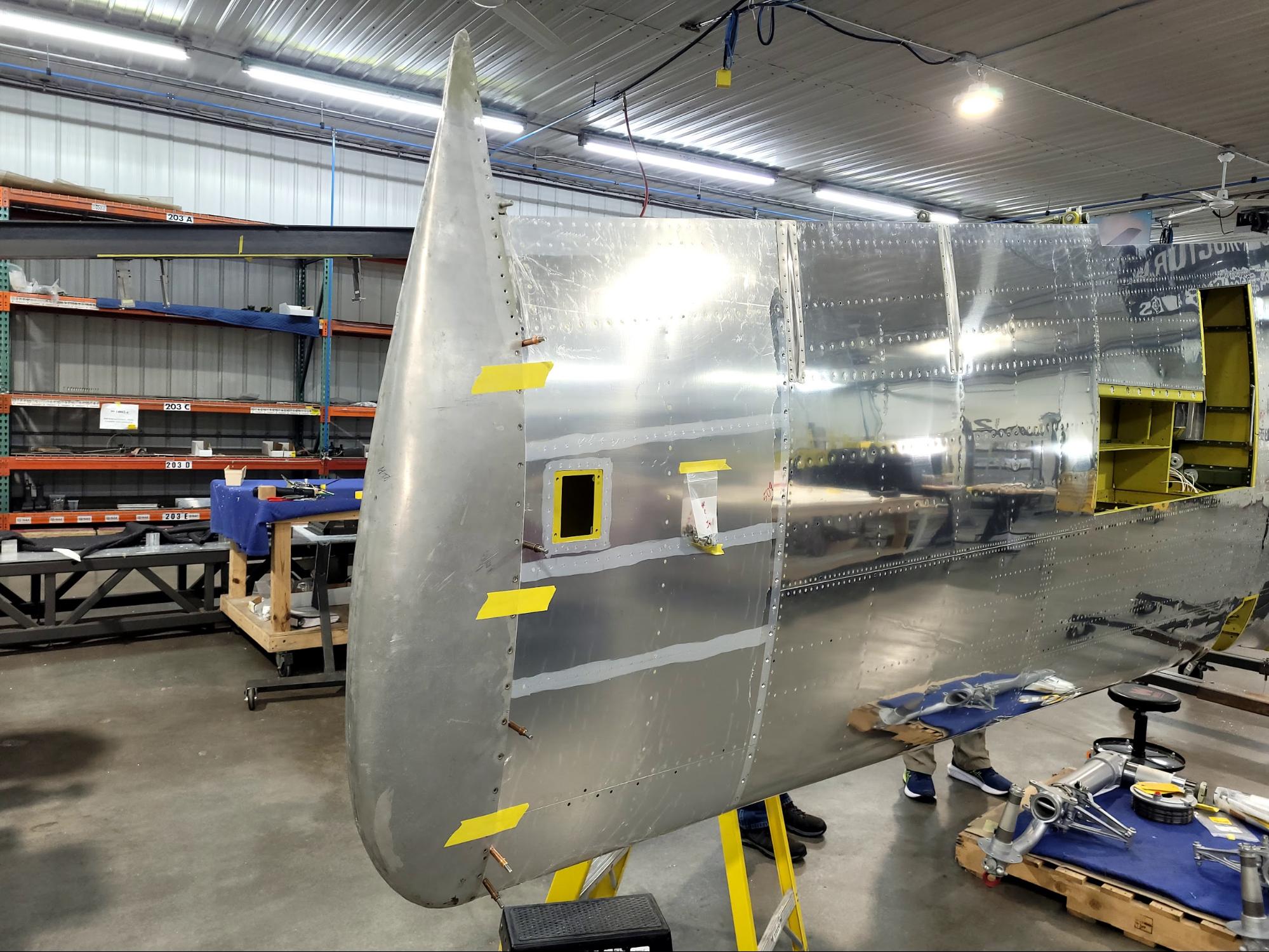
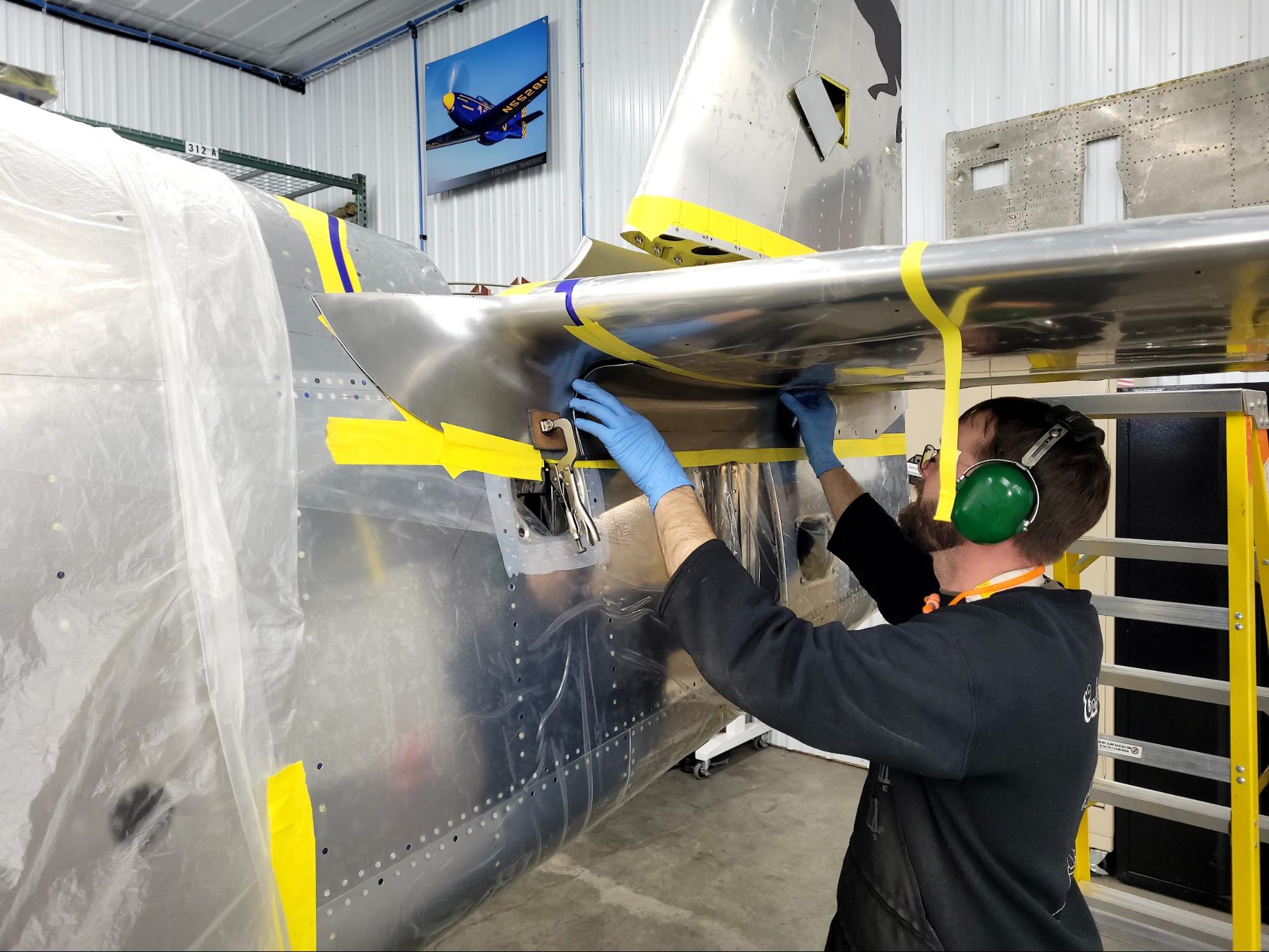
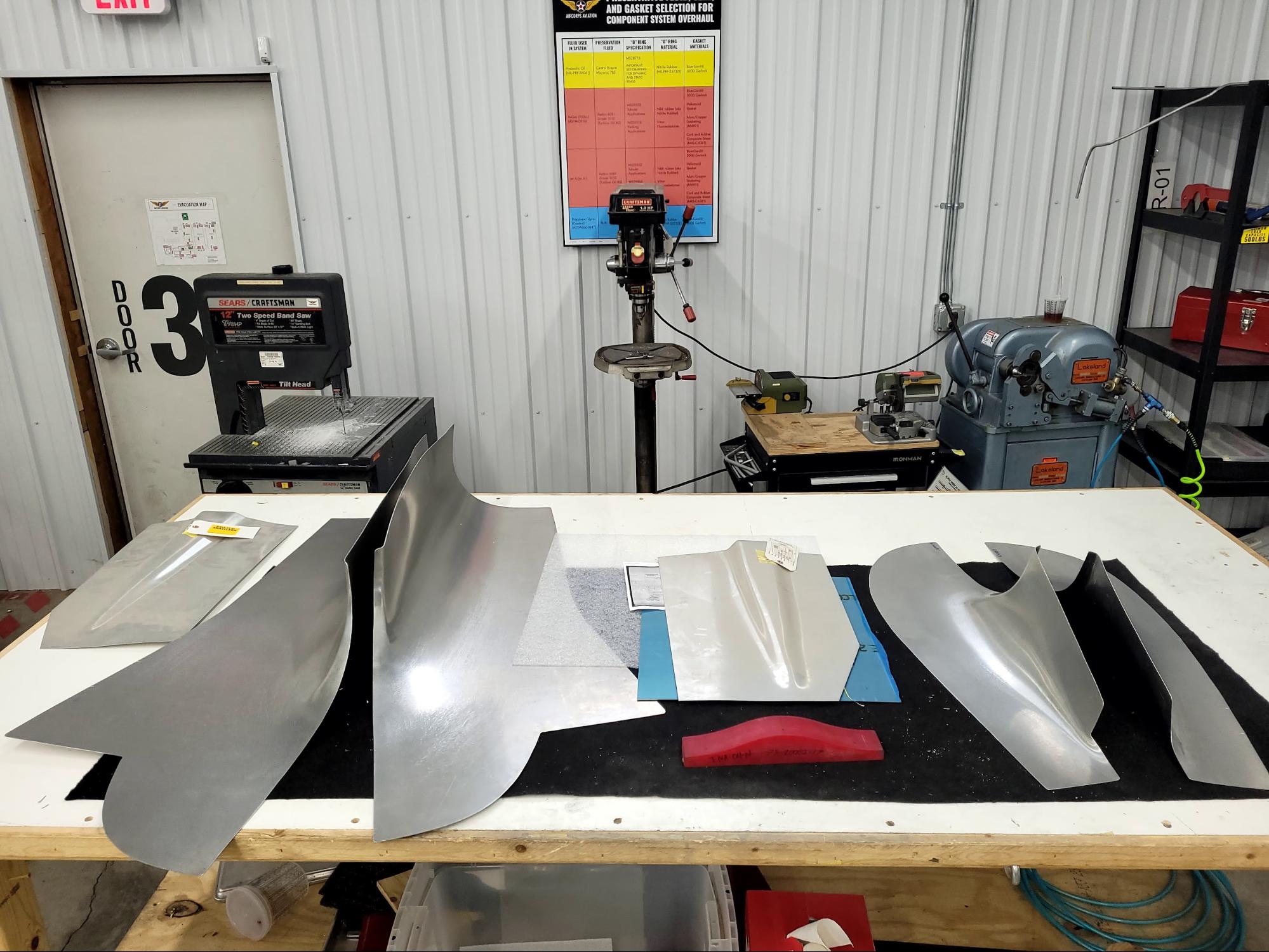
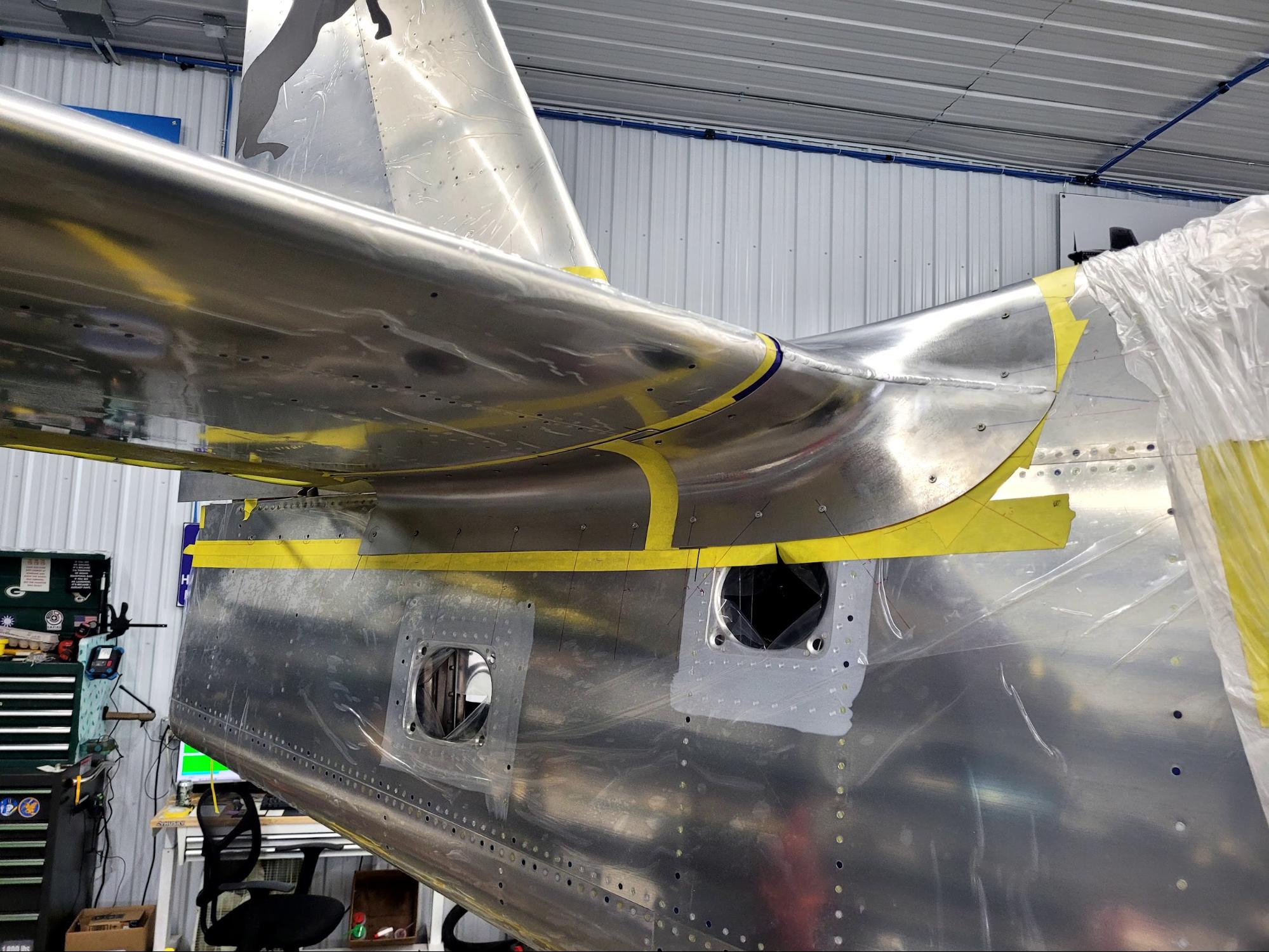
Possibly the most difficult parts of a Mustang restoration are the wing and tail fillets that blend wings into the fuselage to reduce drag. They curve in several directions at once. Randy Carlson, of Carlson Metal Shaping, specializes in forming tight, compound curved aluminum pieces. He has collaborated with AirCorps on projects for years and was again called upon to do this specialized task on Shillelaugh.