- Tour Our Sites:
- Restoration
- Depot
- Library
- Fabrication
- Art

by Chuck Cravens
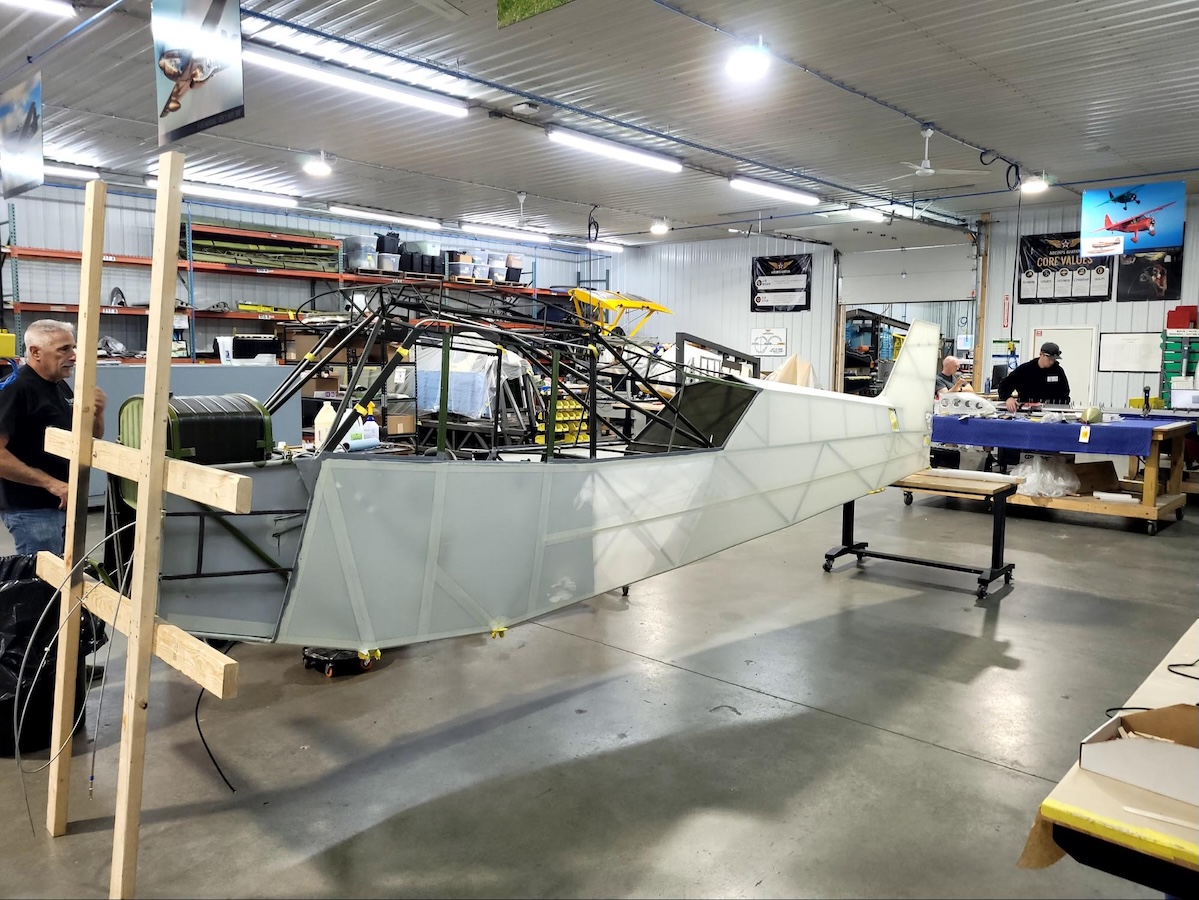
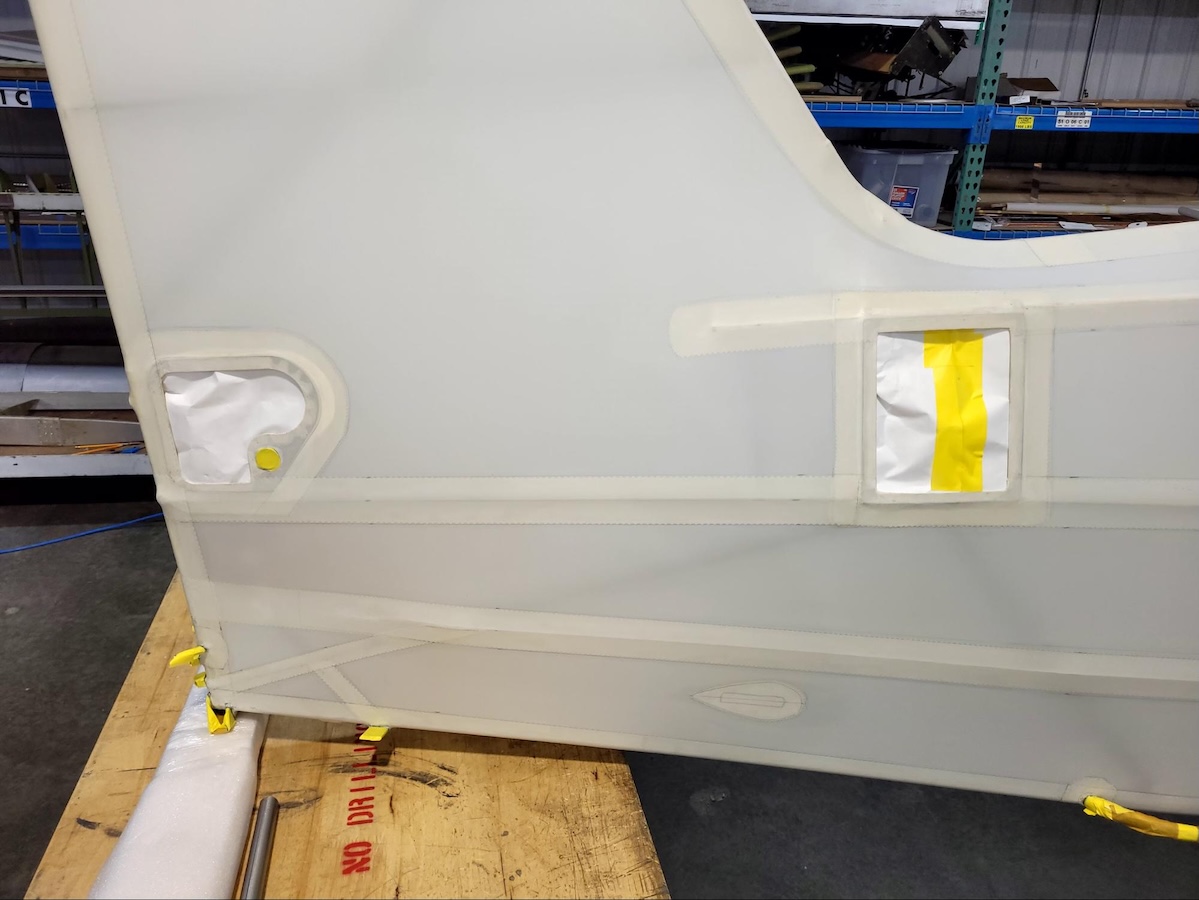
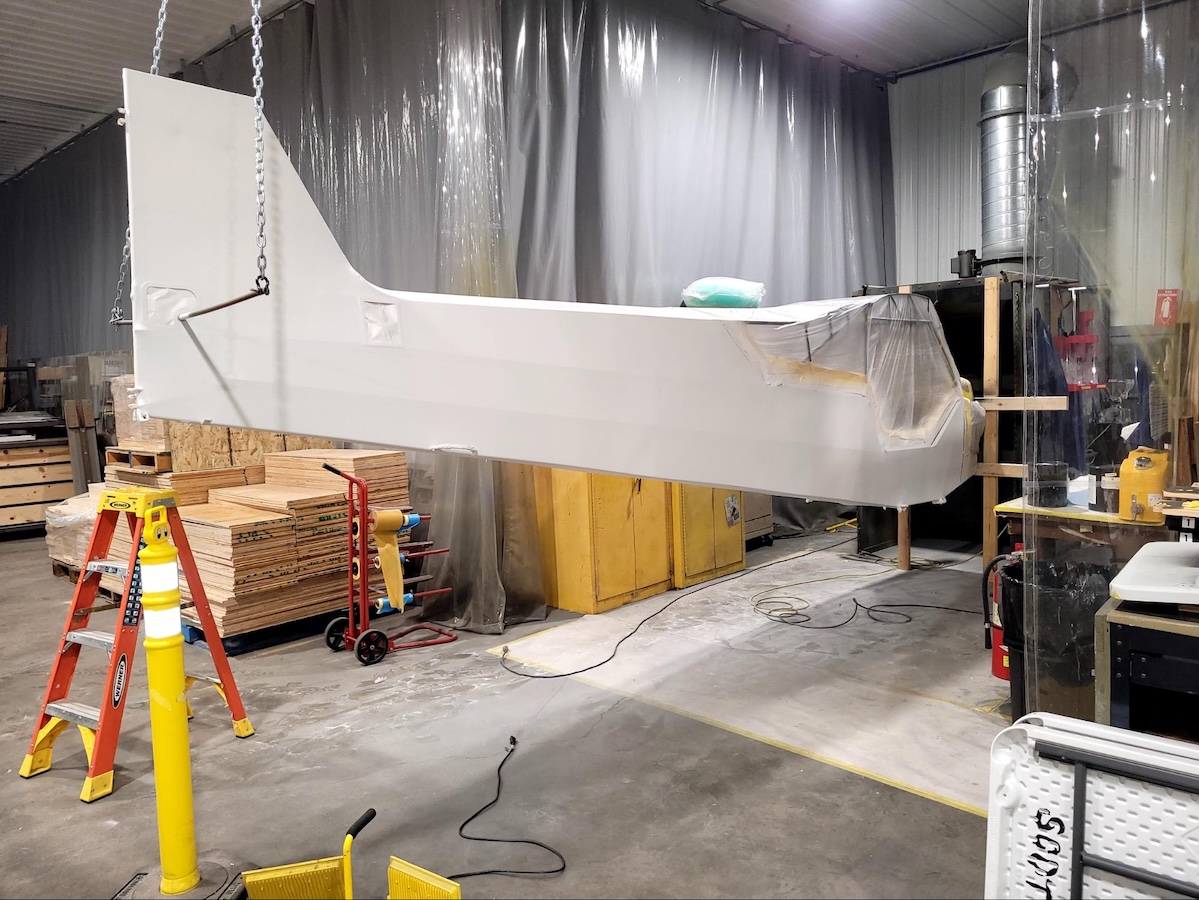
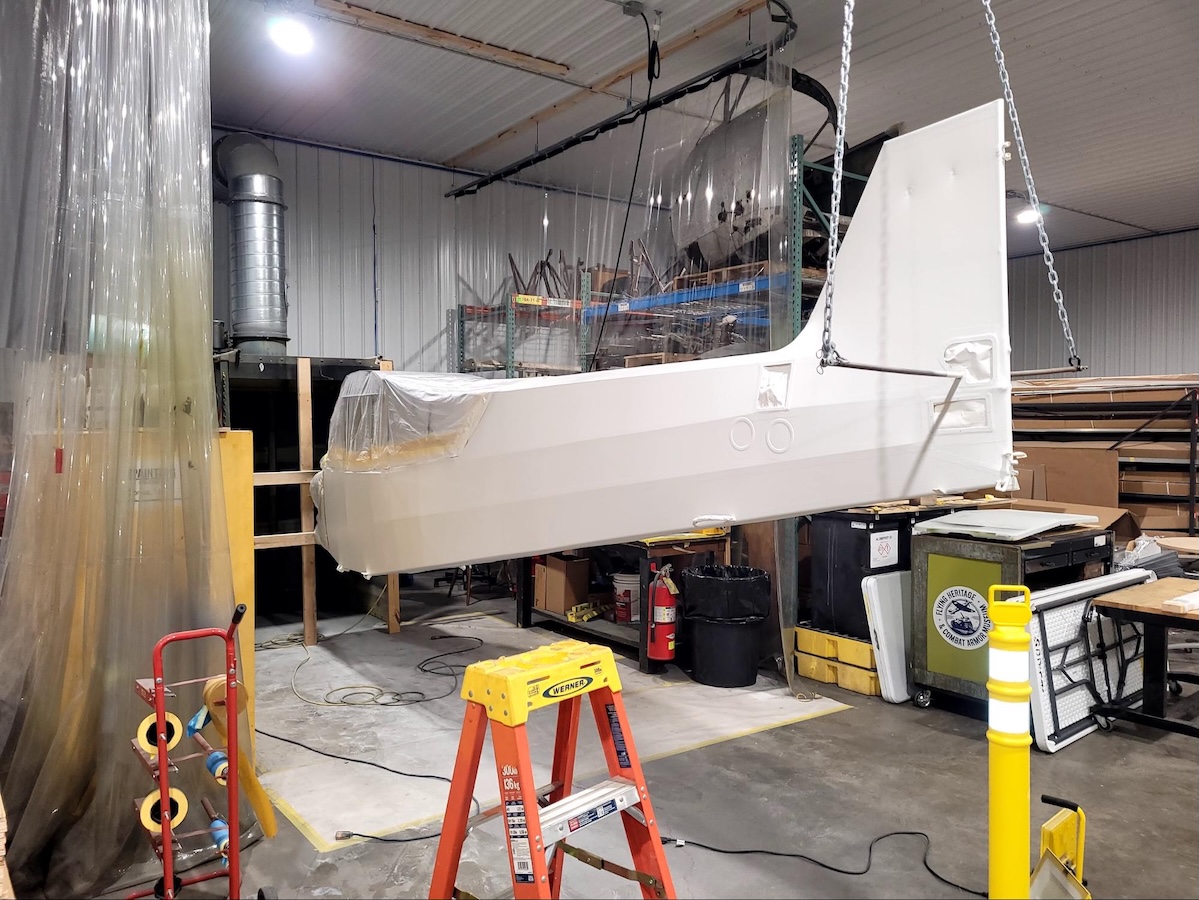
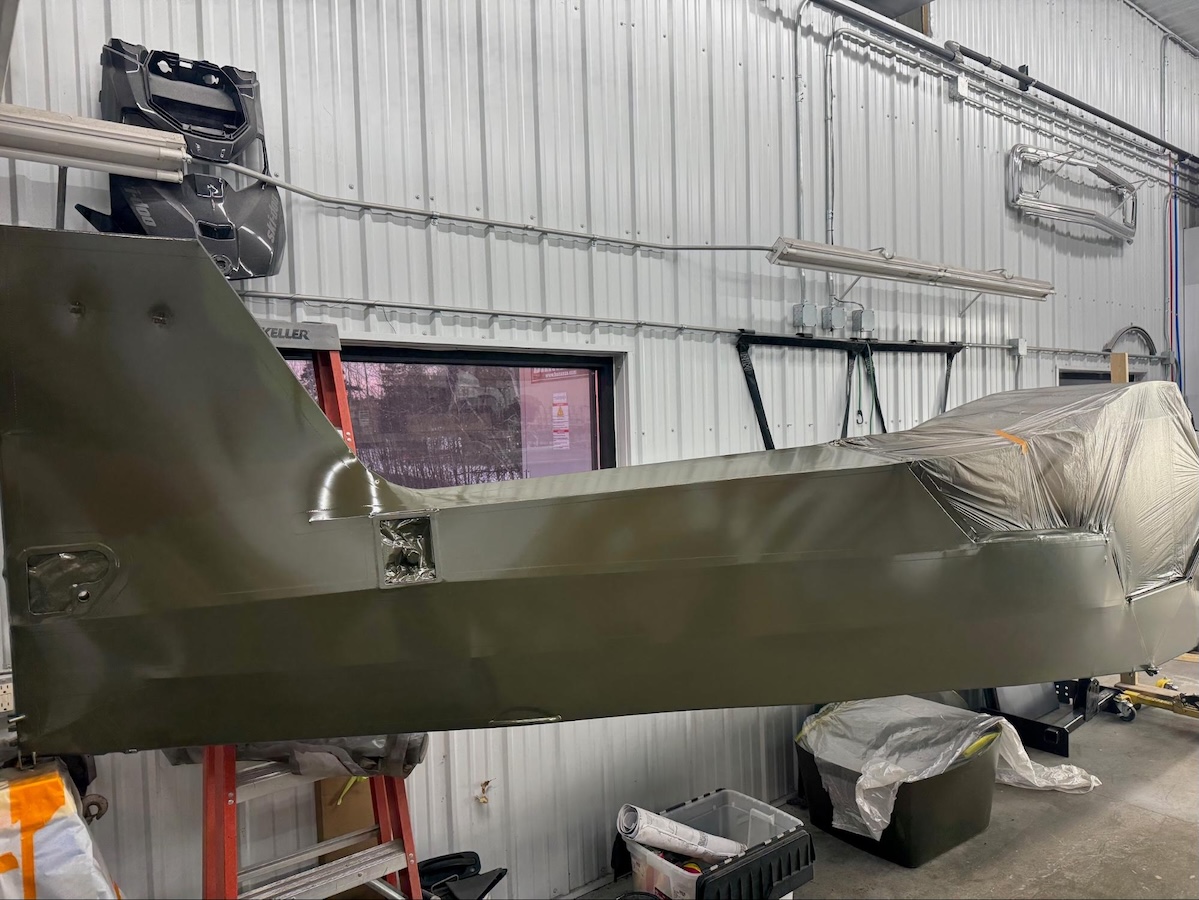
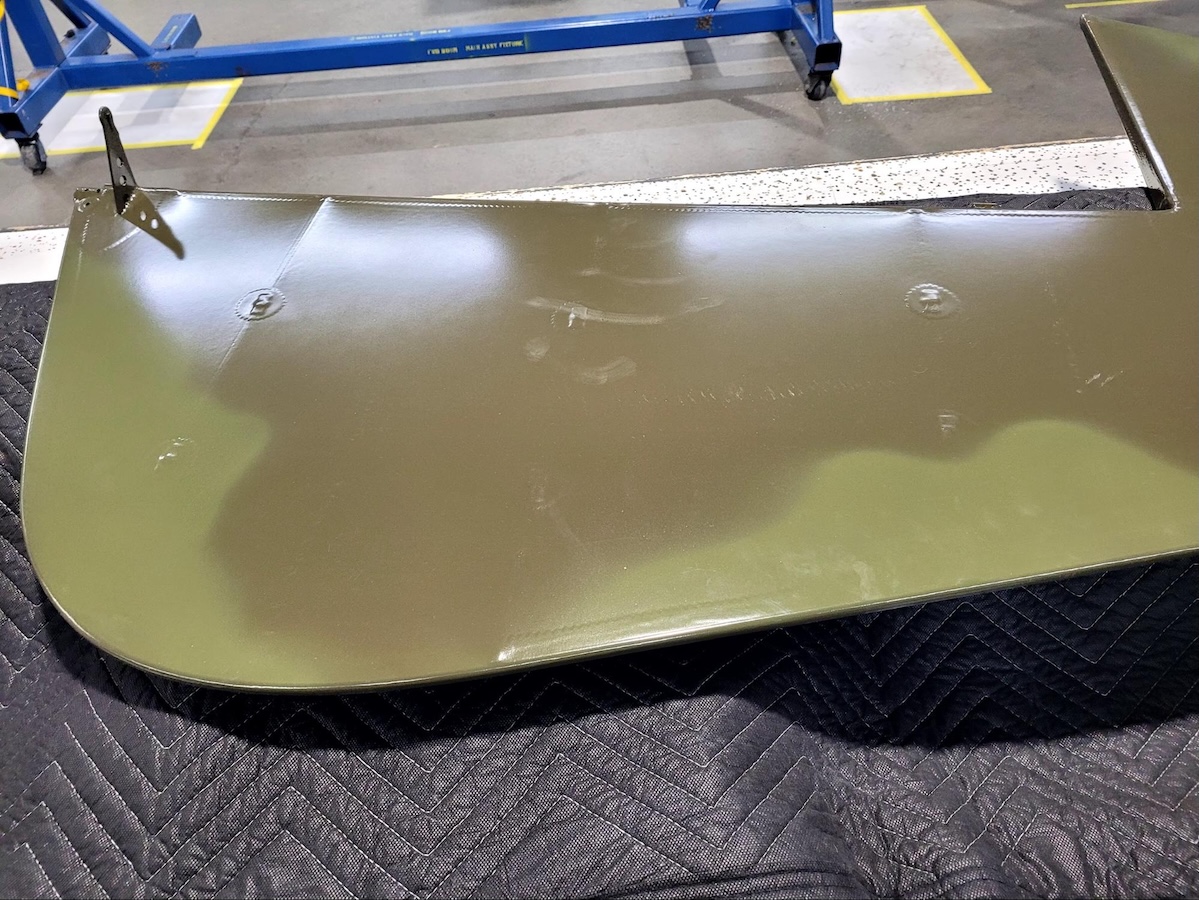
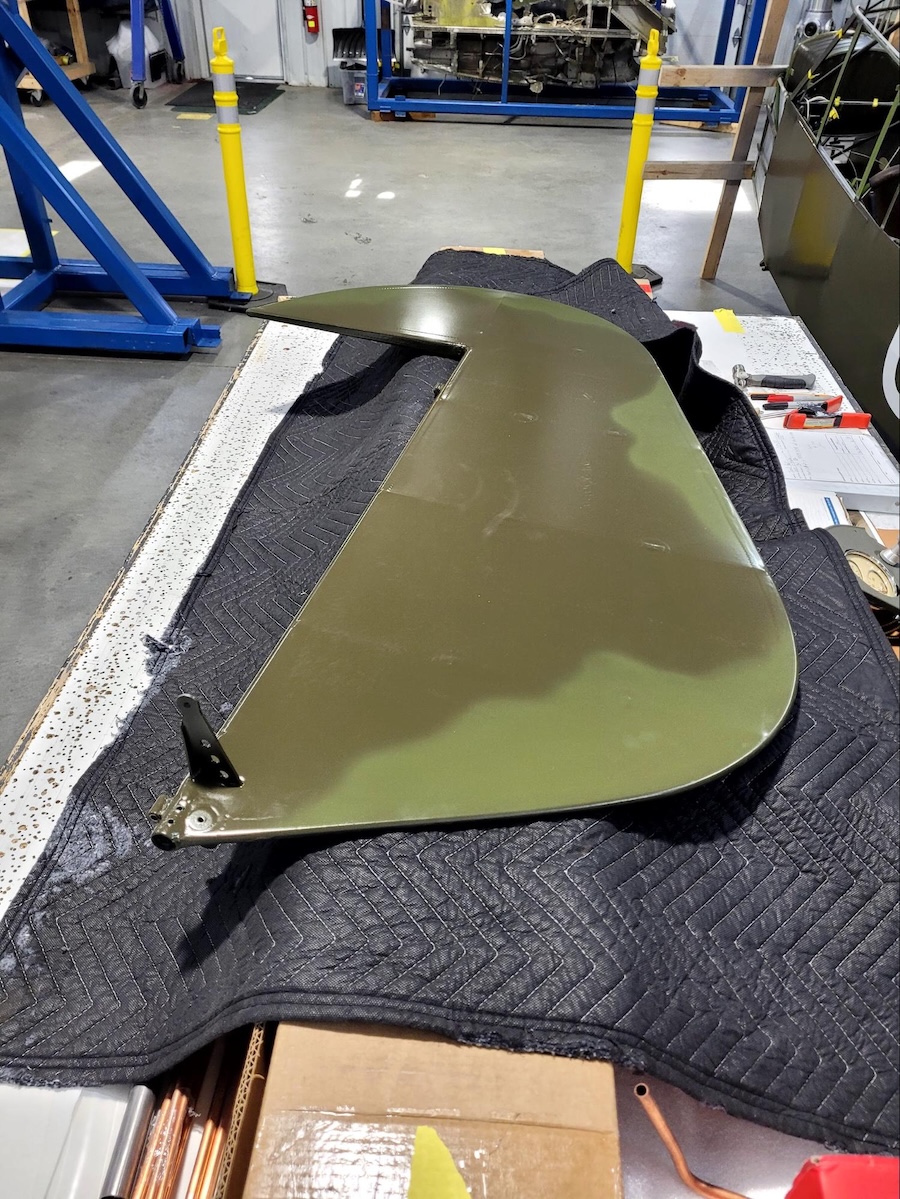
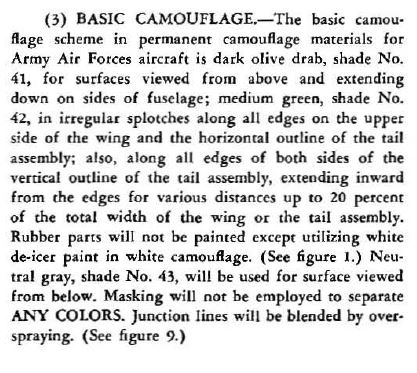
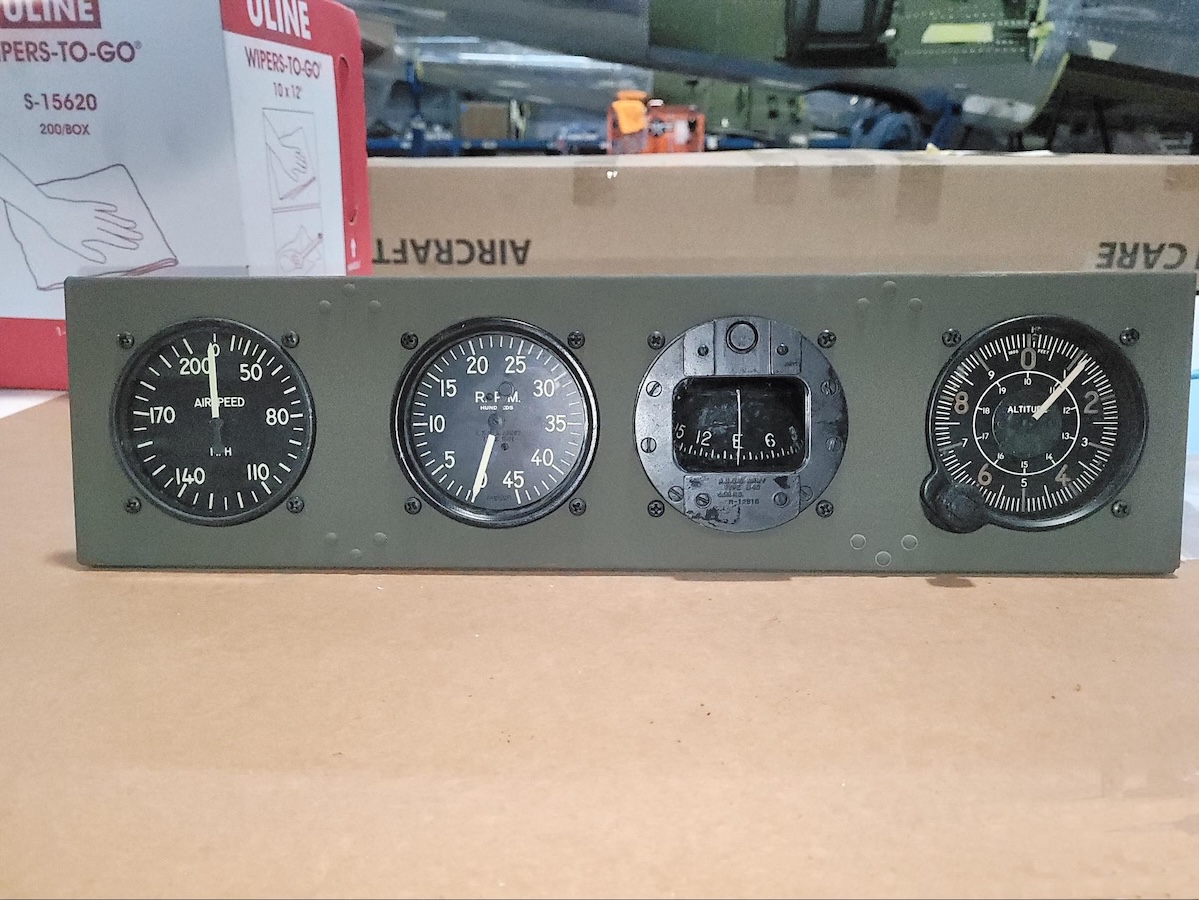
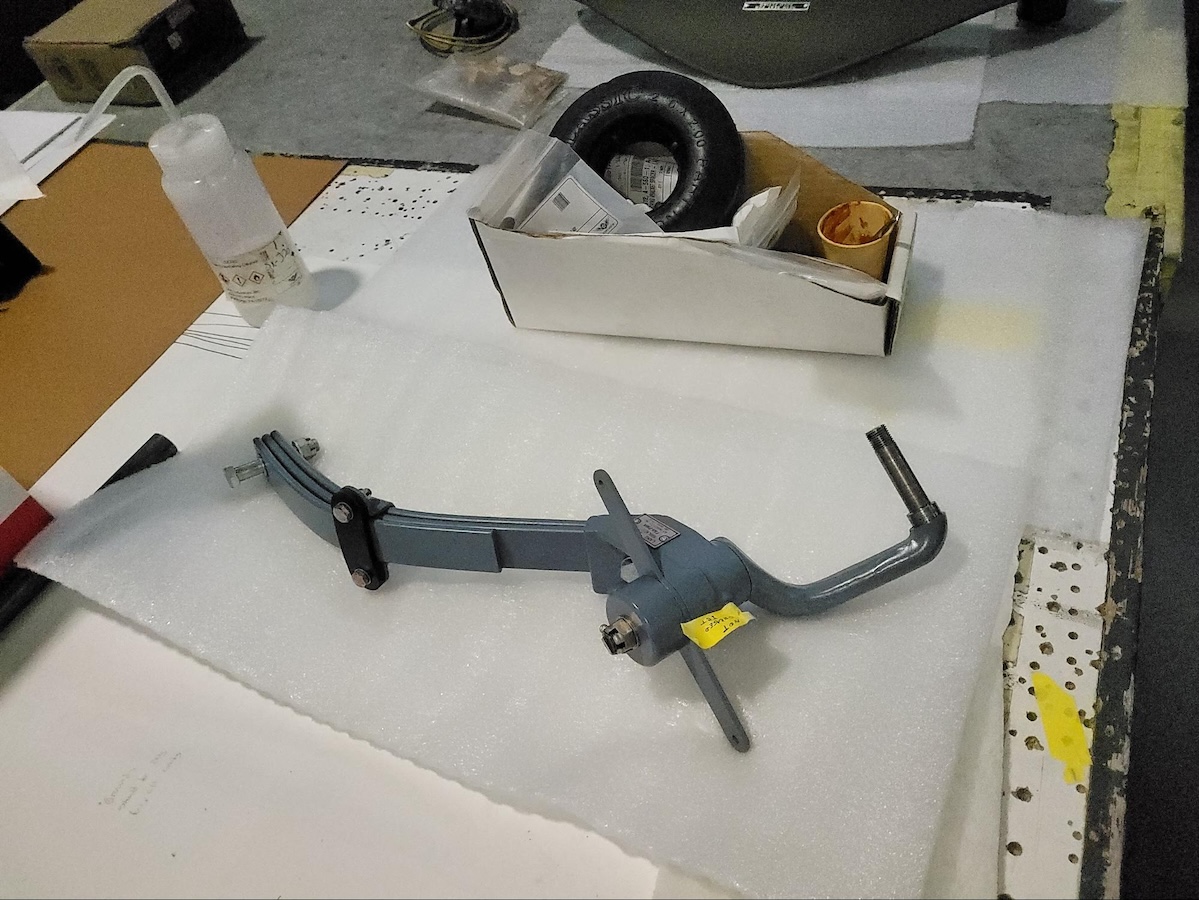
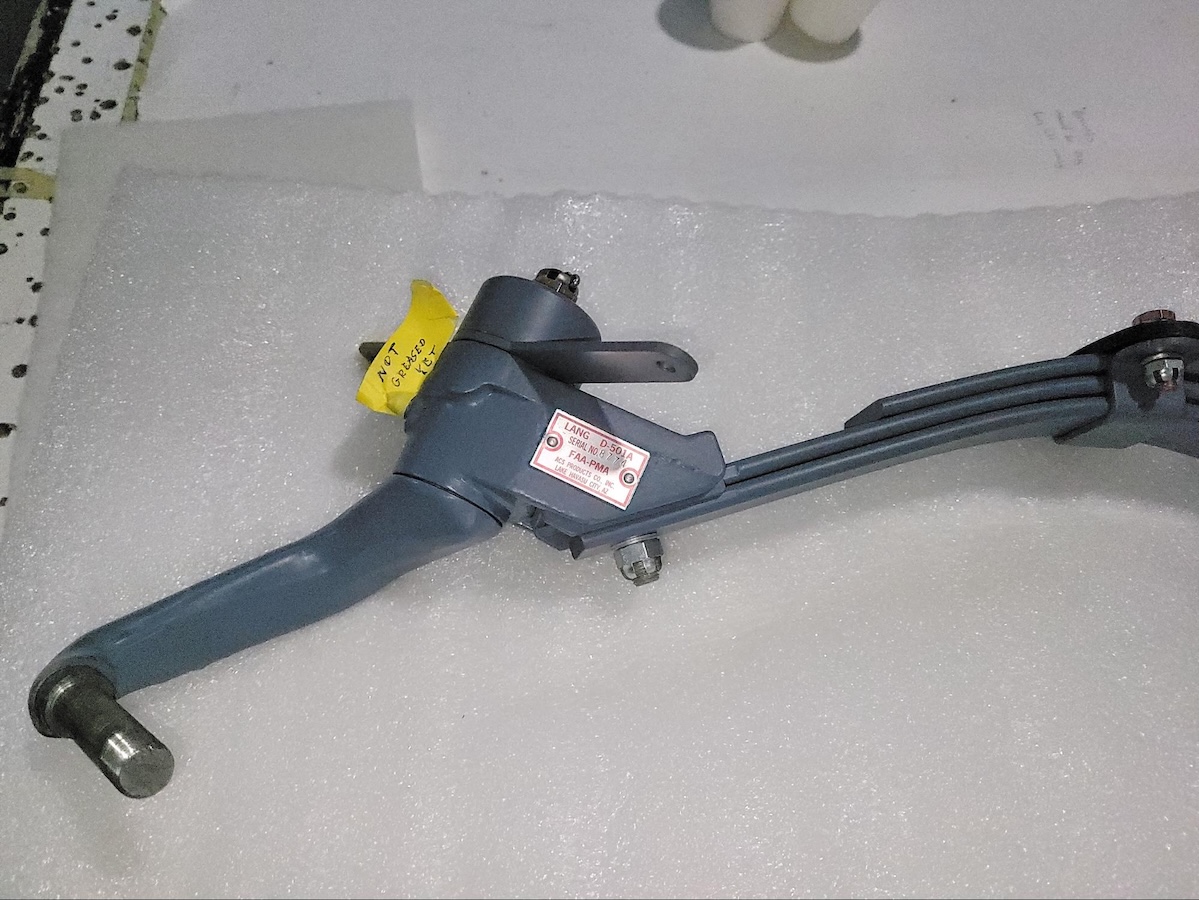
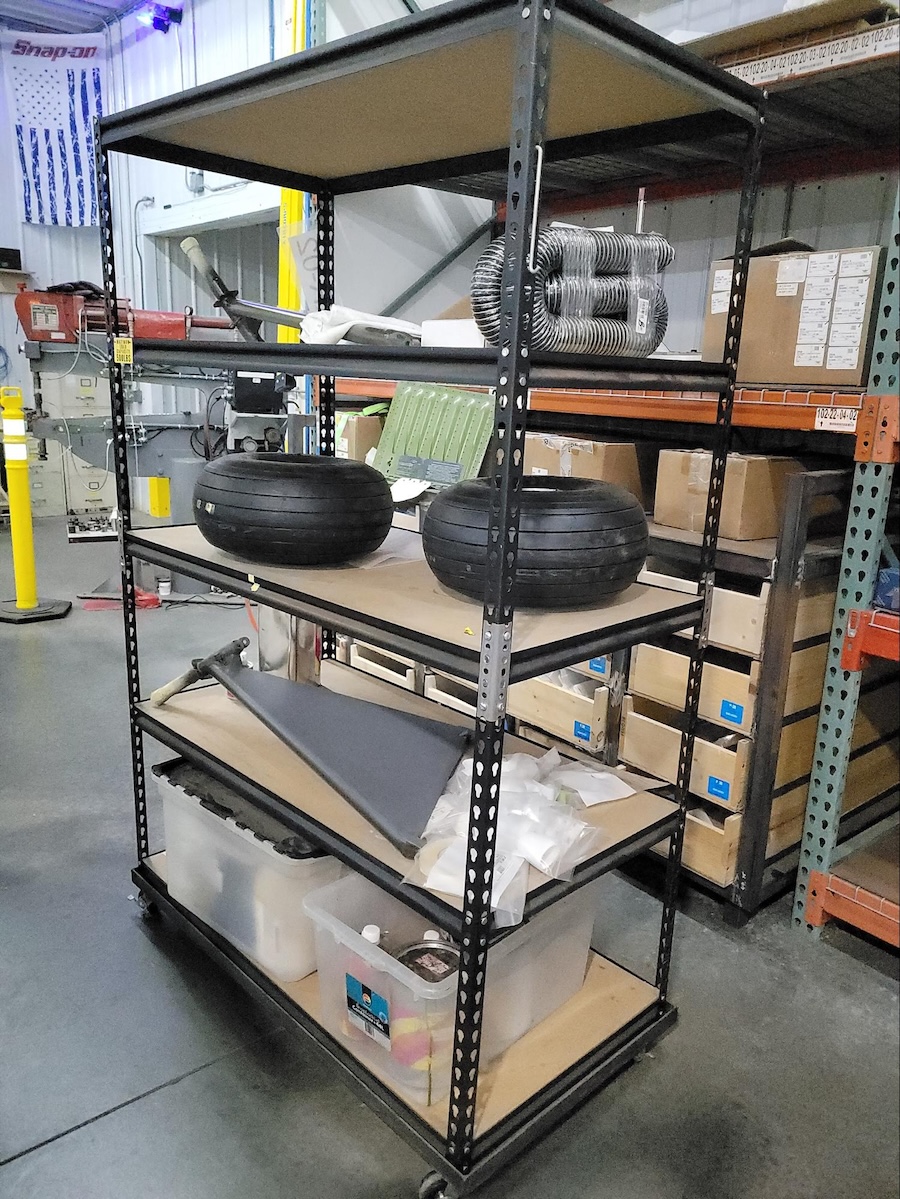
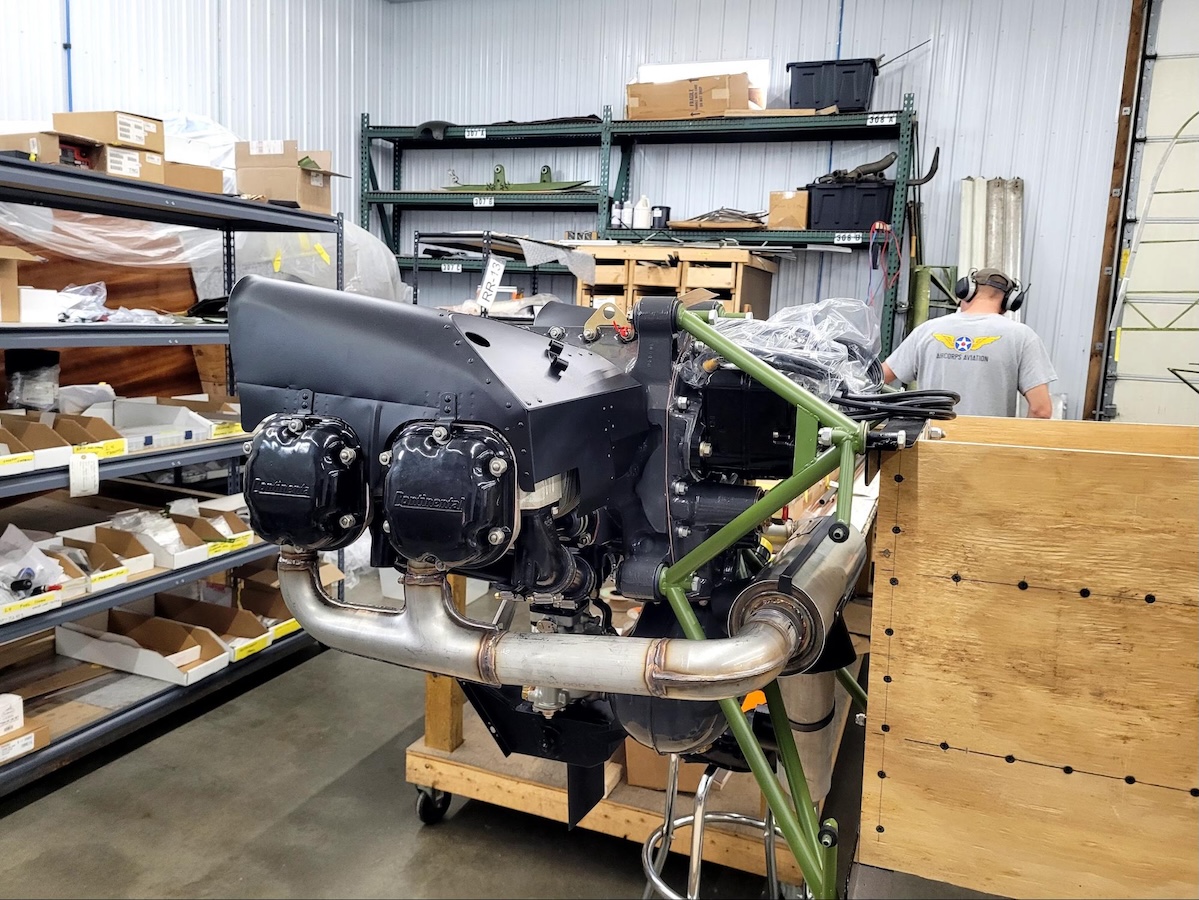
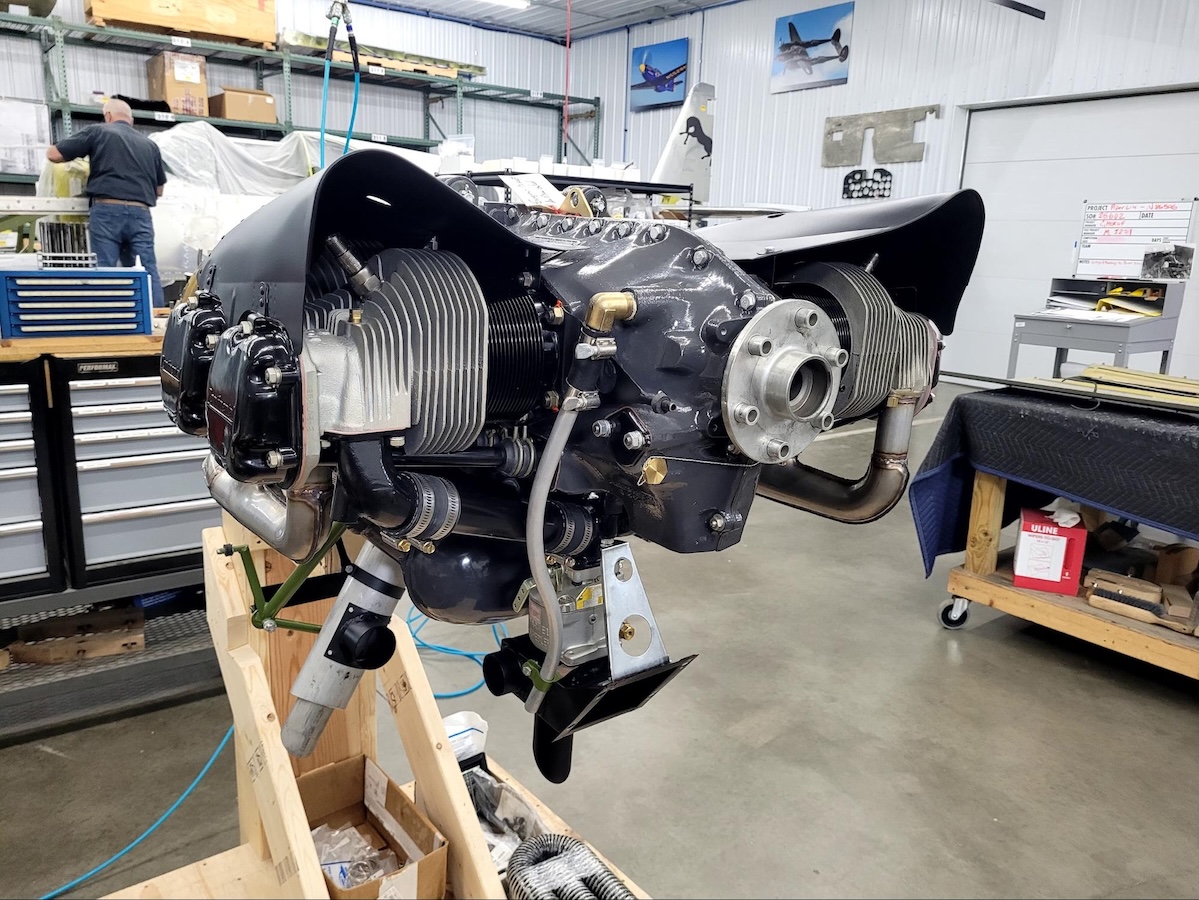
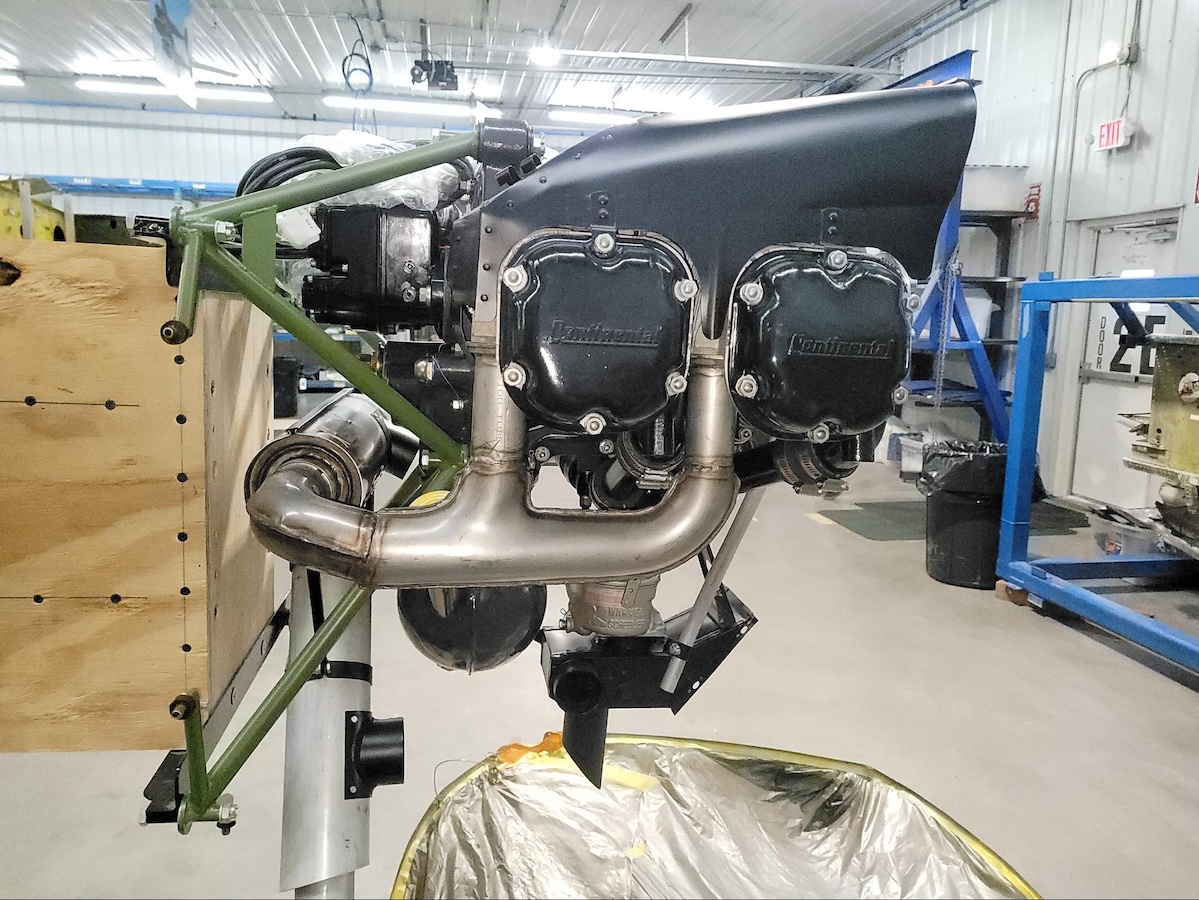
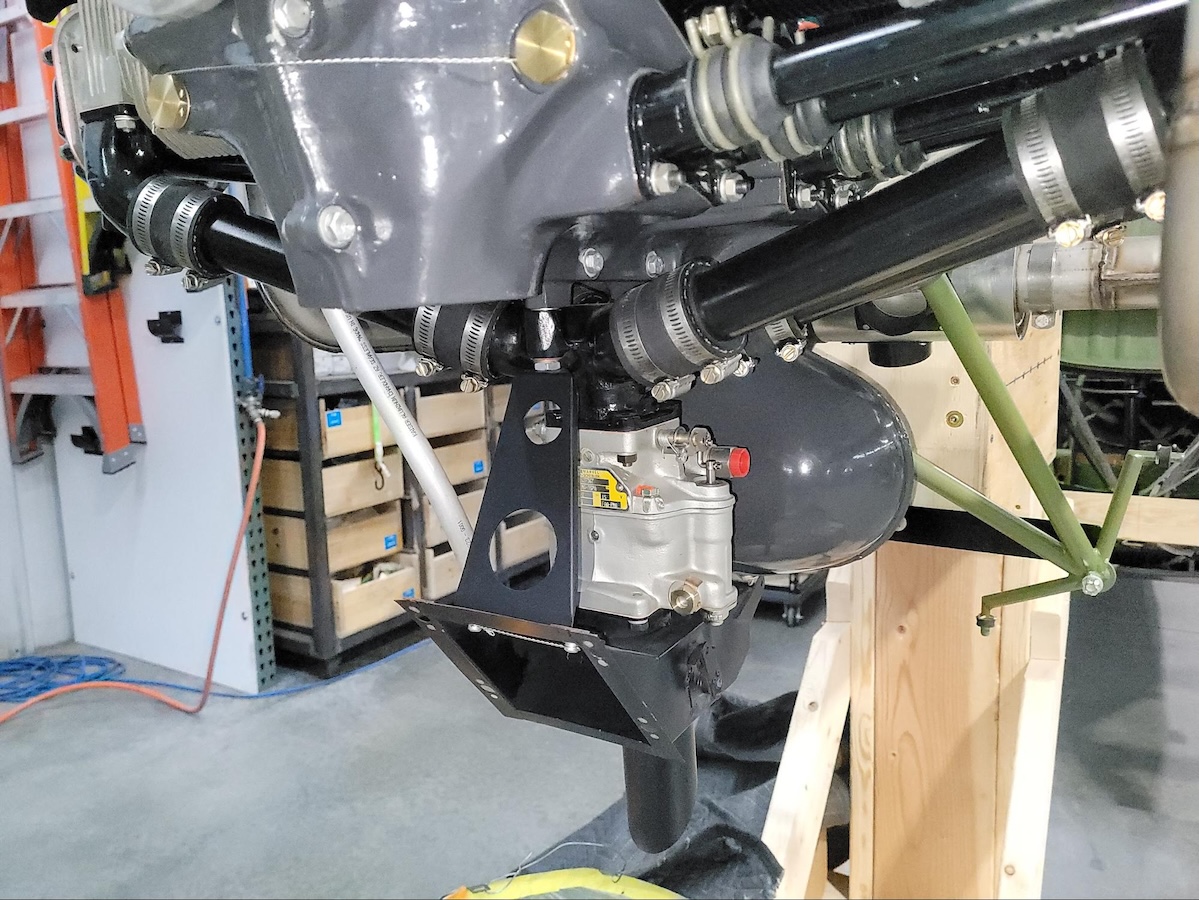
Most of the recent work has involved finishing the covering and preparing the fabric and metal surfaces for painting. After that had been completed, the olive drab overall paint was applied along with the medium green “splotches”.
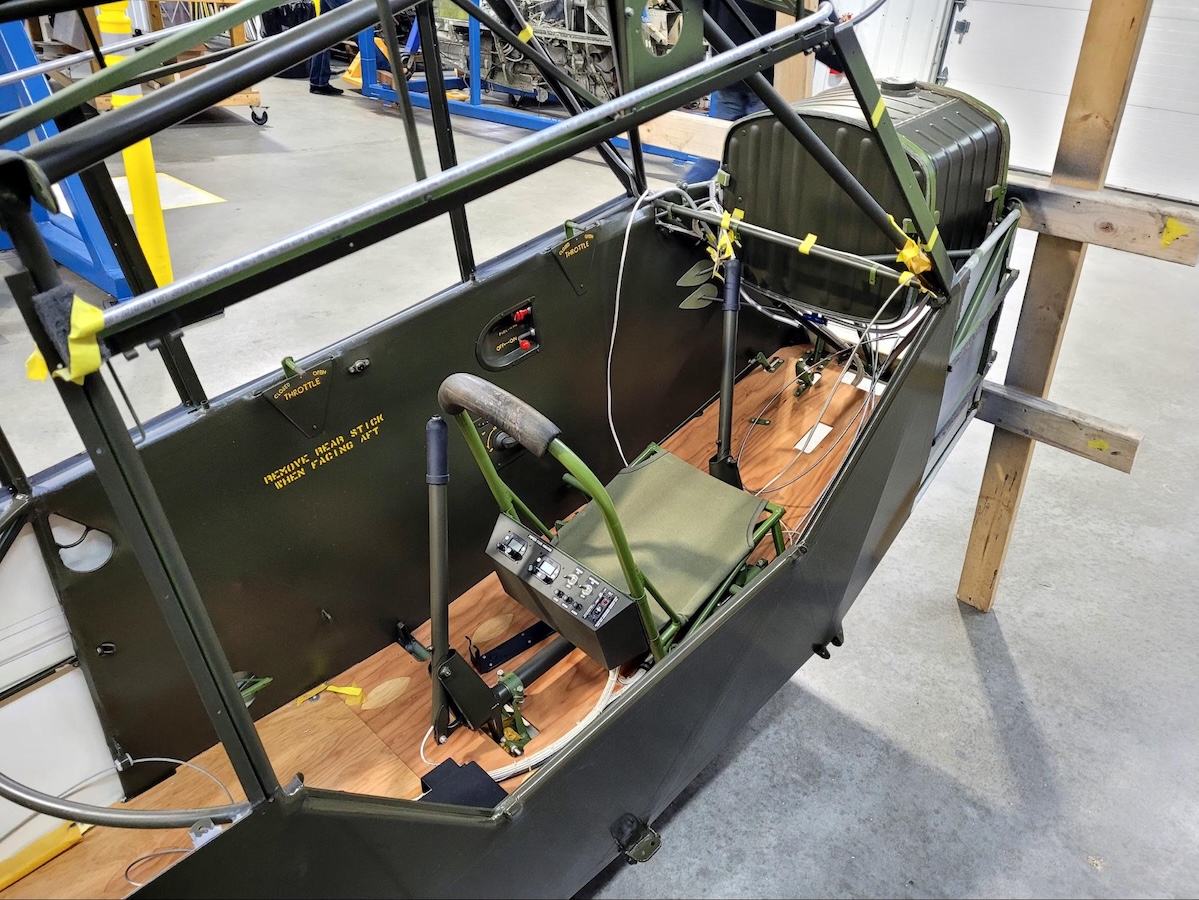
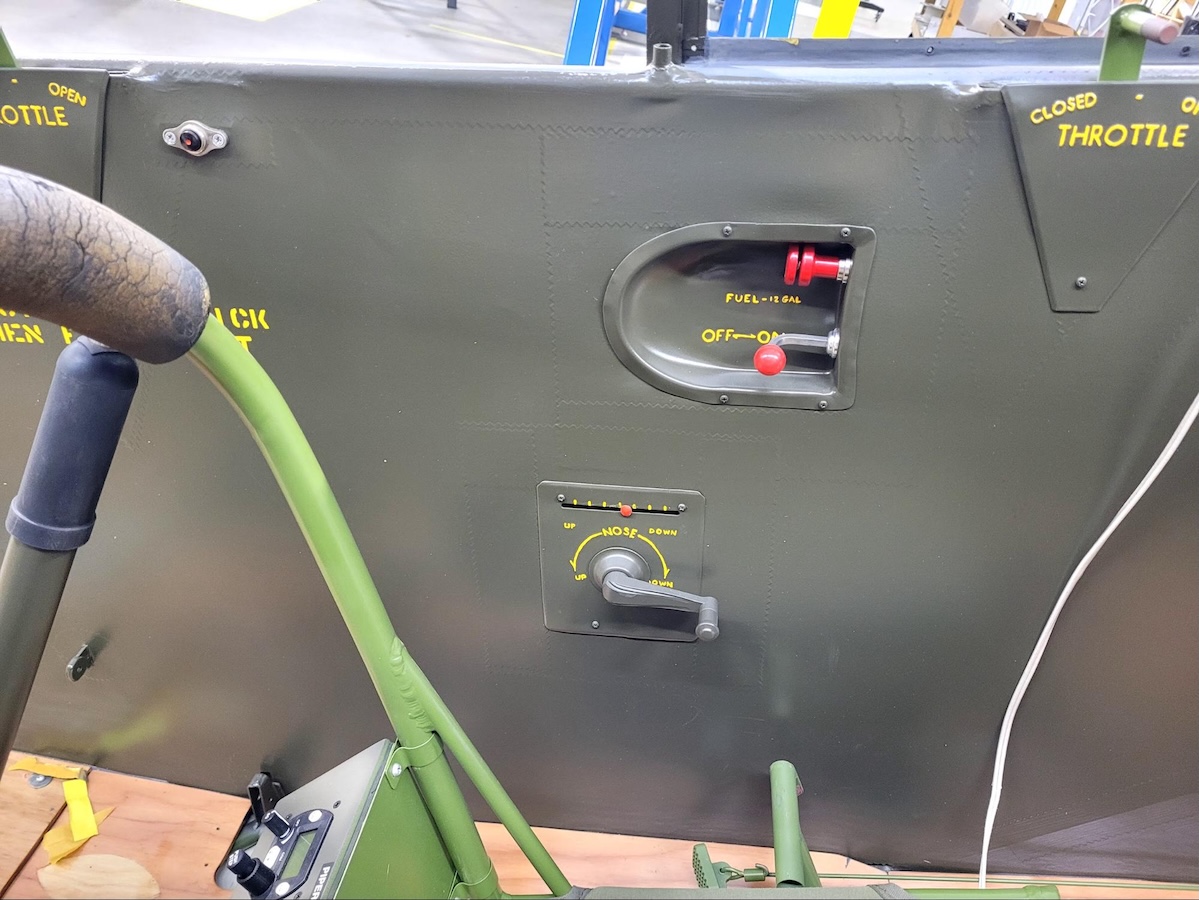
Ensuring that everything fits properly and starting the covering process were the recent focus of the work on the fuselage.
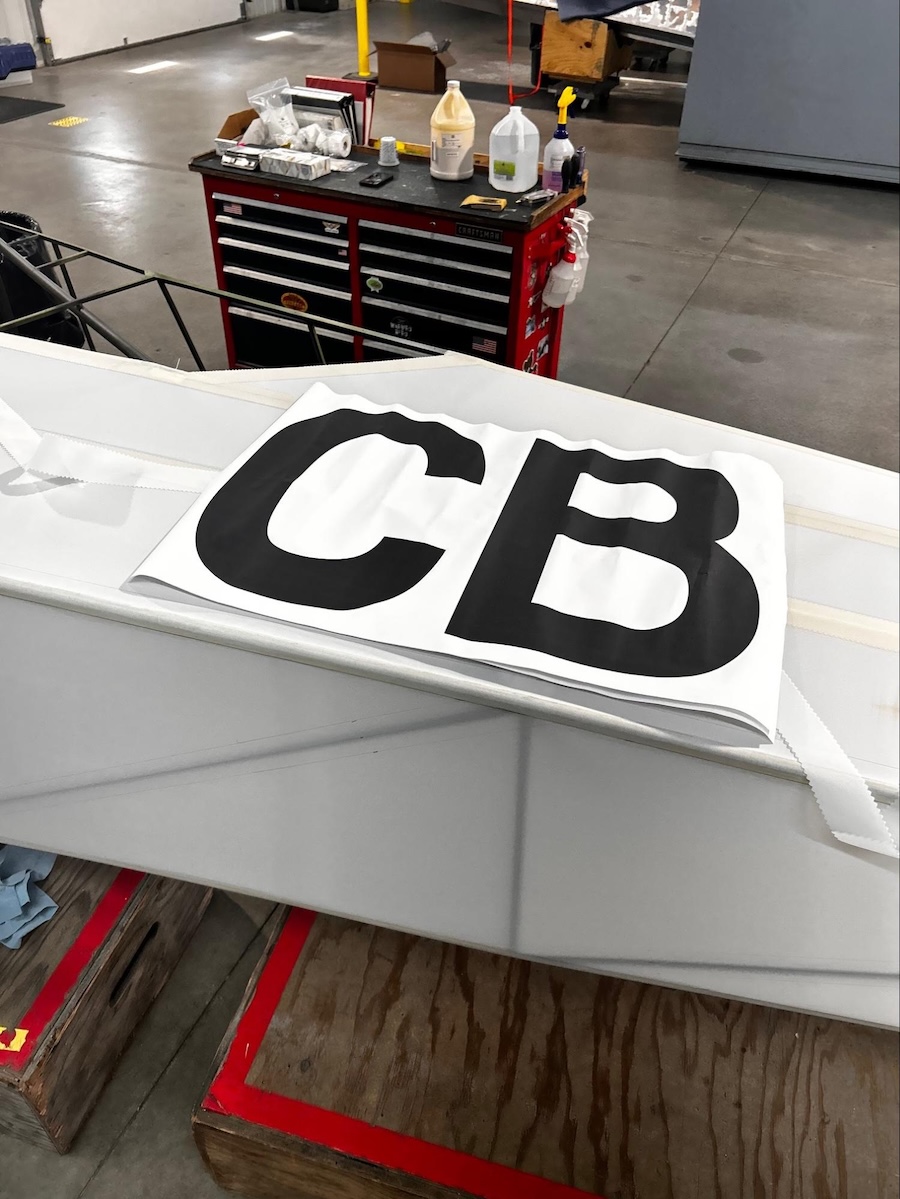
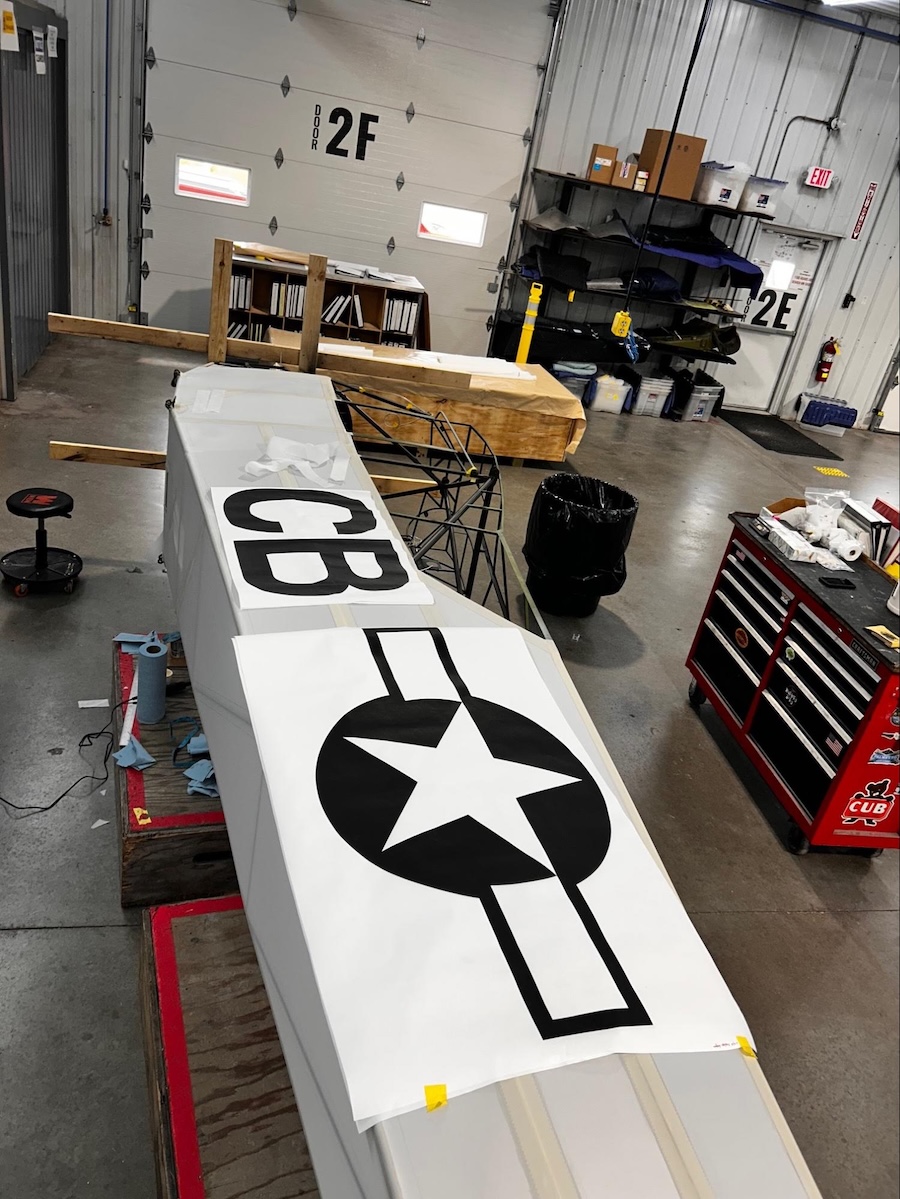
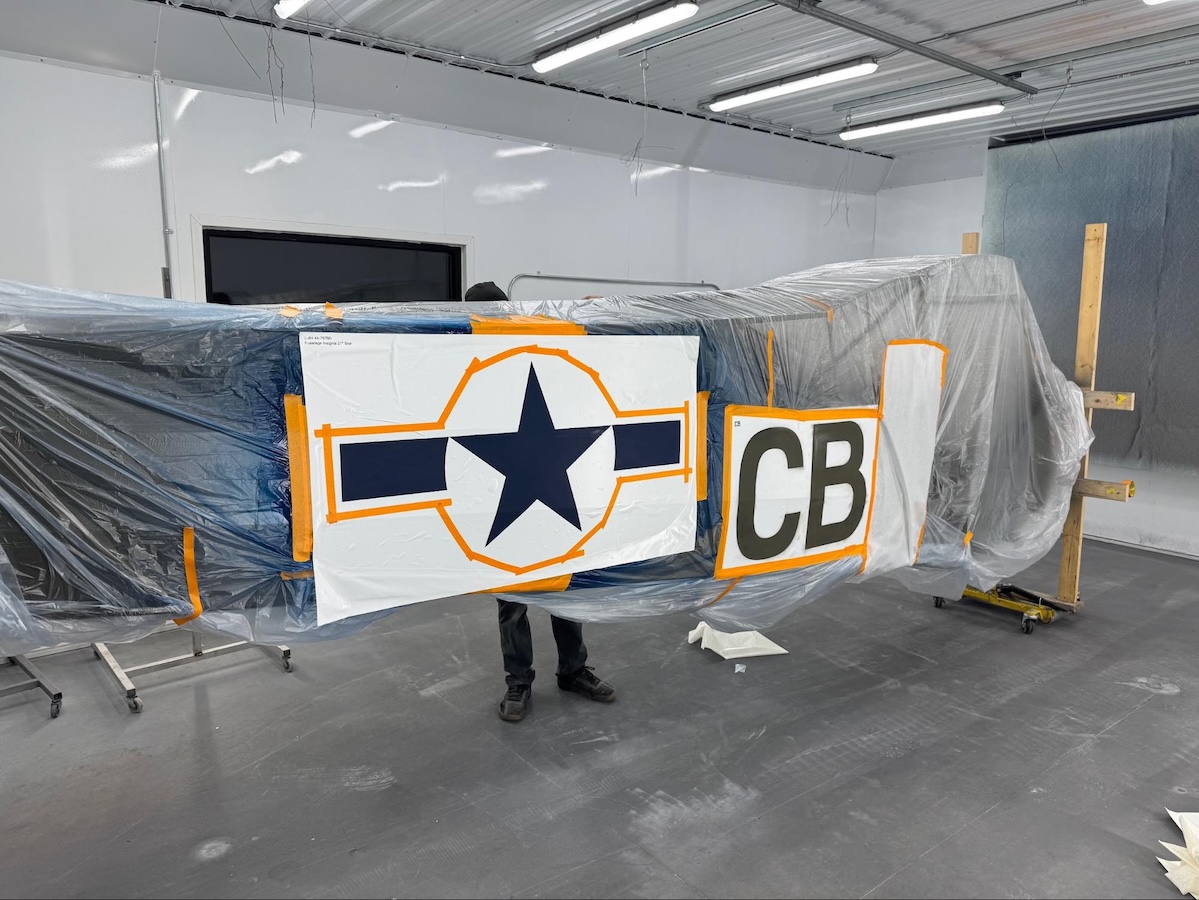
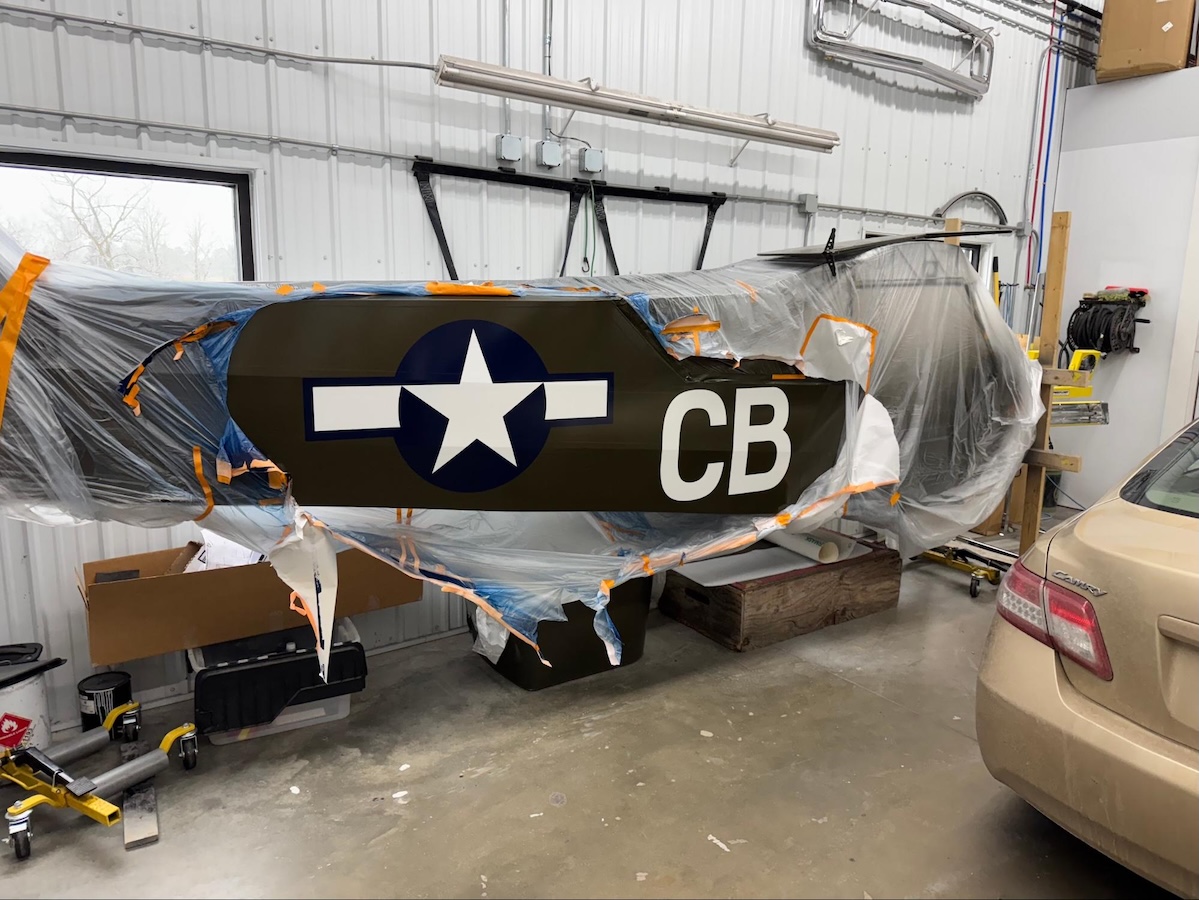
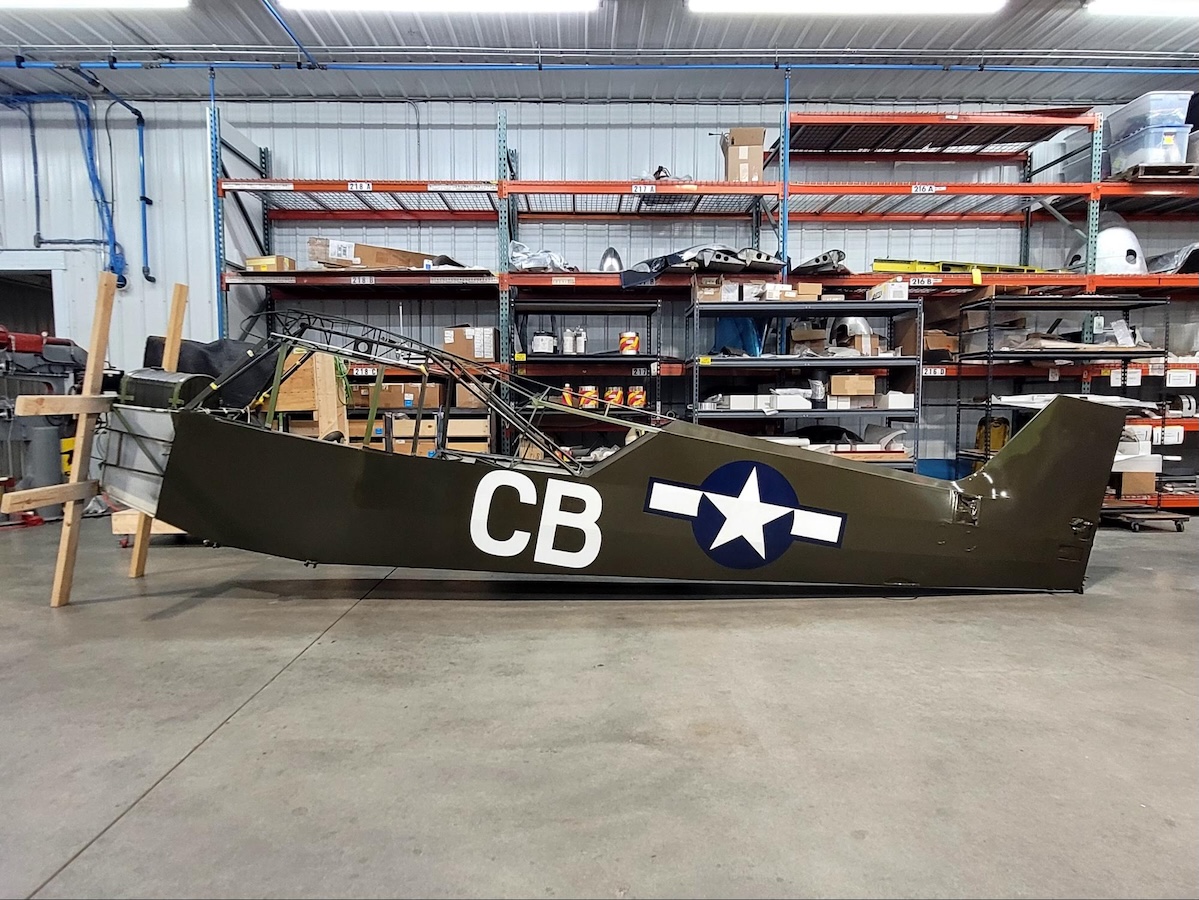
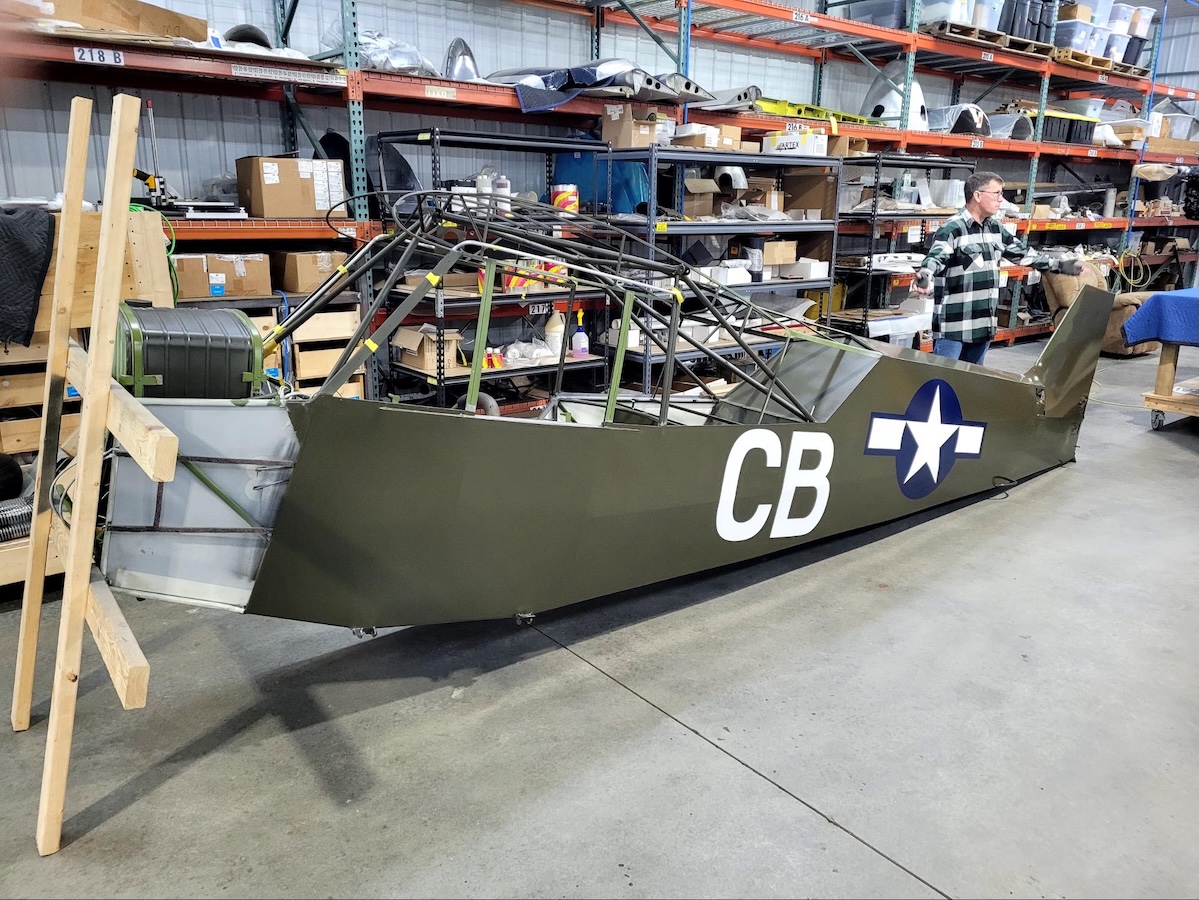

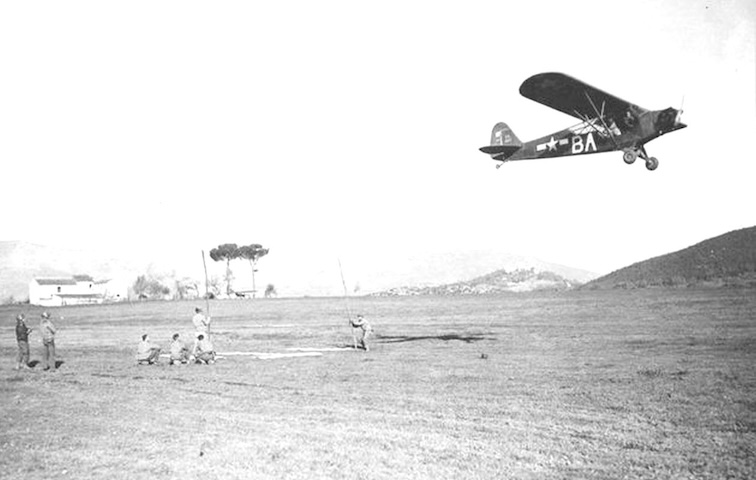
On July 25, 1944, Piper L-4 44-79780 was assigned to the jurisdiction of the Army Ground Forces in Italy. Ground forces records specifying which individual liaison aircraft was assigned to which unit haven’t been found, and there is evidence that they may have been destroyed. So, a decision was made to honor the 125th Field Artillery Battalion of the 34th Infantry Division, Fifth United States Army, by painting this L-4H in the markings of that unit. The 34th Division was made up of National Guardsmen from Iowa, Minnesota, and South Dakota. Since the L-4 would be based in Minnesota and the 34th Red Bull Division is still based at Fort Ripley in central Minnesota, the choice of markings from one of their field artillery battalions seemed natural.

Our L-4 arrived in combat service a few weeks after the 125th had participated in the liberation of Rome.
On June 4, 1944, near Rome, the 125th Field Artillery and 135th Infantry Regiment (IR), moving with the 1st Armored Division, were the first units to enter the city. On June 25, 1944, the 34th Infantry Division was composed of four combat teams: the 133rd, 135th, 168th, and the 442nd (Nisei “Go For Broke”) Infantry Regimental Combat Teams.
They faced a formidable opponent, the German 14th Army, composed of General von Senger’s XIV Panzer Corps, and whenever the 135th IR was engaged, the 125th FA fired their howitzers in support. The 125th FA was prominent in the drive to Ceceina, Leghorn, and Monte Adone. The unit took their artillery pieces up the mountain trails lying west of Highway 65 and the Futa Pass. The men crossed the Gothic Line in a wilderness route.
During these movements through rough and mountainous terrain, liaison missions by L-4s and L-5s provided critical real-time battle information.
On December 26, 1944, the German L1 Mountain Corps launched an attack. During the night of December 27, the 125th FA spent the night moving their 105mm howitzers from their gun pits through the mud to a hard surface road. By 1300 hours, the 125th FA reached Florence. They were ordered to the west coast.
The Germans had broken through the 92nd Division. The Battalion set up their howitzers behind the 135th Regiment and the 92nd Division. The 4th Indian Division retook the land lost by the 92nd Division and the front was reestablished. In February 1945, the Division, as part of the 5th Army, launched a heavy attack, reached Bologna, and moved through the Po Valley, a part of the German Gothic Line. The 34th ID was tasked with moving north across the Po River and cutting off German escape routes into Austria. On May 1, the German LXXV Corps surrendered in Milan to Maj. Gen. Charles L. Bolte, commander of the 34th ID. At 1200 hours on May 2, all hostilities ceased in Italy.“2
The terrain during the Po River valley campaign was rugged and difficult; liaison aircraft were critical in this type of battle because they didn’t need to follow roads. But landing fields could be a problem. An interesting side note to this campaign from “The War Years: North Africa, Sicily and Italy,” The Army Aviation Story, by Richard K. Tierney with Fred Montgomery, describes a temporary airstrip for L-4s adapted to the difficult mountainous terrain. Unfortunately, there were no photos of the downhill strip.
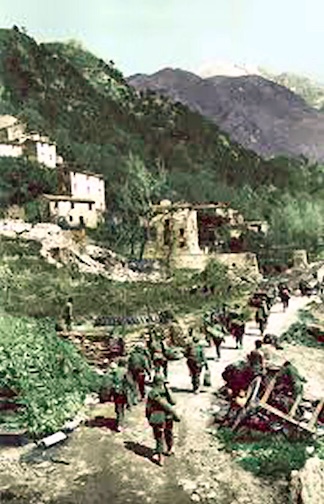
By December 1944, the Fifth Army was north of the Arno River, occupying mountains south of the Po Valley. The mountainous terrain presented difficulties for Fifth Army commander, General Lucian Truscott,[11] and so persuaded him to address the issue. Truscott ordered Captain Jack Marinelli, air officer of the Fifth Army, to build a strip close to the CP. The ground settled on provides an intriguing piece of engineering.
The strip was laid out on a mountainside, with a downhill slope for takeoffs and an uphill run for landings. The runway stretched 735 feet by 30 feet and was 97 feet higher on the upside than on the cliff side, which featured a ski jump, the lip of which overlooked a valley some 2,000 feet below.
“The interesting feature,” according to Colonel Marinelli, “was that we had to use full throttle to taxi to the top of the strip and landing. But you could also take off down the strip without power.”
2) The 34th Red Bull Infantry Division, webpage of the 34th Red Bull Division: https://34id.org/, author unknown


